



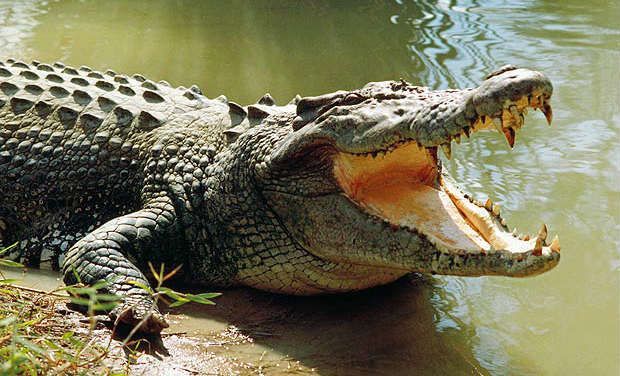
The latest news out of the Kimberley is a blunt reminder that the top end doesn’t play fair. A young bloke in his 20s is currently recovering in Perth after a run-in with a large crocodile near Hidden Creek. This spot sits about 50 Kays north of Broome along Manari Road. It’s a cracking stretch of coastline that plenty of us frequent for a quiet camp and a fish, but this incident proves the Dampier Peninsula is well and truly croc country.
This is the second attack in the region in less than five months. Back in January, another fella copped a bite near the La Djardarr Bay Community. While the DBCA is still interviewing witnesses and checking out the site, the message is clear. The locals and rangers have been flagging increased activity for a while now, and these toothy critters are becoming less shy about claiming their territory.
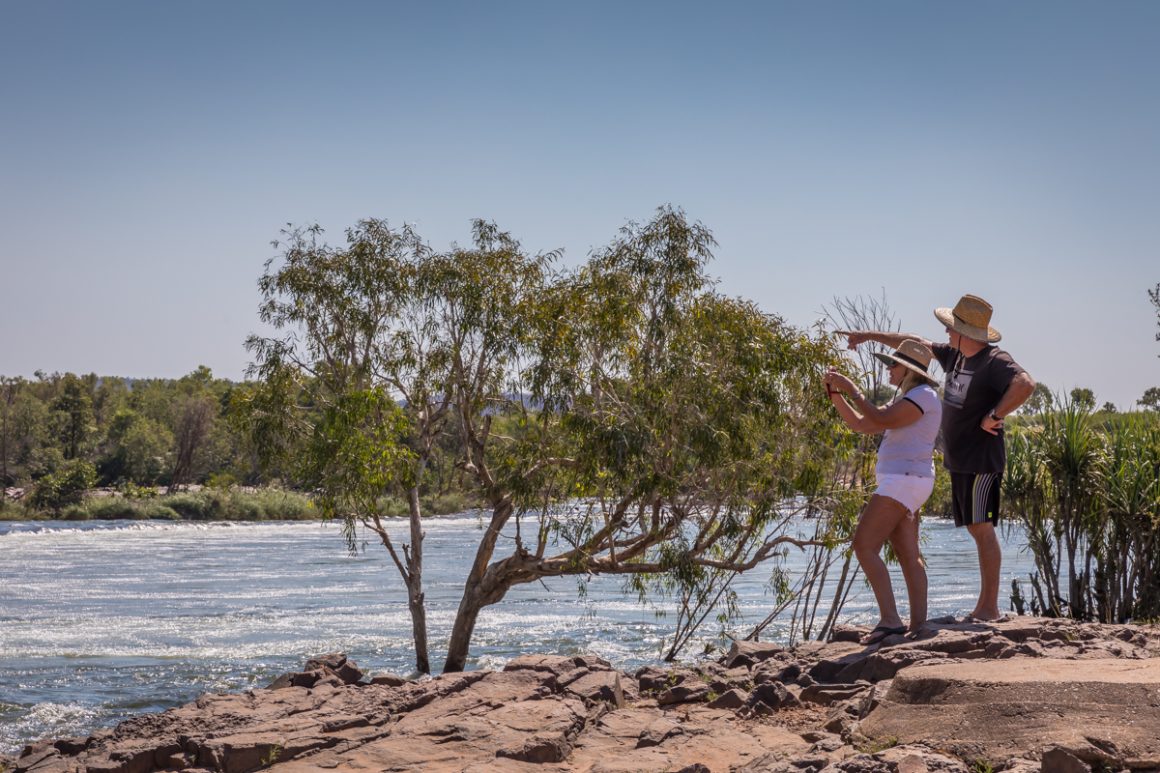
The Numbers Game in the North
We need to talk about why this keeps happening. Since the early ’70s, when saltwater crocodiles became a protected species, their numbers have absolutely exploded across Northern Australia. We’re not just talking about a few more lizards in the river. We’re looking at a population that has reached carrying capacity in many areas. In some parts of the Kimberley and the Territory, you’re looking at five to ten crocs for every kilometre of river.
As the big dominant males push the smaller ones out of the prime real estate, those younger, hungry crocs start moving into places we haven’t seen them much before. They’re popping up on popular swimming beaches and around boat ramps where they know a free feed of fish guts might be waiting. We have to face the reality that if there is water in the north, there is likely a croc in it.
Spotting a Likely Habitat
Knowing where they hang out is half the battle. While they love the murky tidal rivers and mangrove swamps, salties are more than happy to cruise the open ocean to get from one creek to another. If you’re camping near a creek mouth or a beach with a significant drop-off, you are in their zone. Look for slides on the mud banks. These are smooth, worn paths where a croc has slipped into the water.
Don’t assume clear water is safe water either. A three-metre saltie can hide in knee-deep water without leaving a ripple. They are ambush predators, meaning they spend 99% of their time watching and waiting for something to make a mistake. If you see birds acting nervous near the water’s edge or a sudden lack of small fish activity, it’s time to move back.

Staying Off the Menu
Preventing an attack comes down to basic bush sense and breaking habits. Crocs are smart. They watch patterns. If you go to the same spot on the bank to bucket up water or launch your kayak every morning at 7:00 am, you’re essentially setting a dinner date. Never camp closer than 50 metres to the water’s edge and keep your site clean. Tossing food scraps or fish frames near your camp is just asking for a midnight visitor.
When you’re fishing, stand at least five metres back from the water. It might feel overkill, but a saltie can launch half its body length out of the water in a fraction of a second. If you’re using a boat ramp, stay in the vehicle as long as possible and keep a keen eye out while winching. We love the Kimberley for its ruggedness, but we have to respect the fact that we’re guests in a very ancient, very toothy neighbourhood.




3 comments
good on ya mate
Great heads up for everyone that is considering the journey up north.
Love reading and listening to your stories Pat 👍🏿
Very good and timely article on Crocodiles. Amazing creatures eg they can go without food for six months ,stay submerged for 1-2 hours,have a limb torn off (common when small) in a stinky swamp and get no infection due to the powerful antibiotic they produce .
I worked with them and collected croc eggs for 20 years doing research and commercially .
John
Darwin