



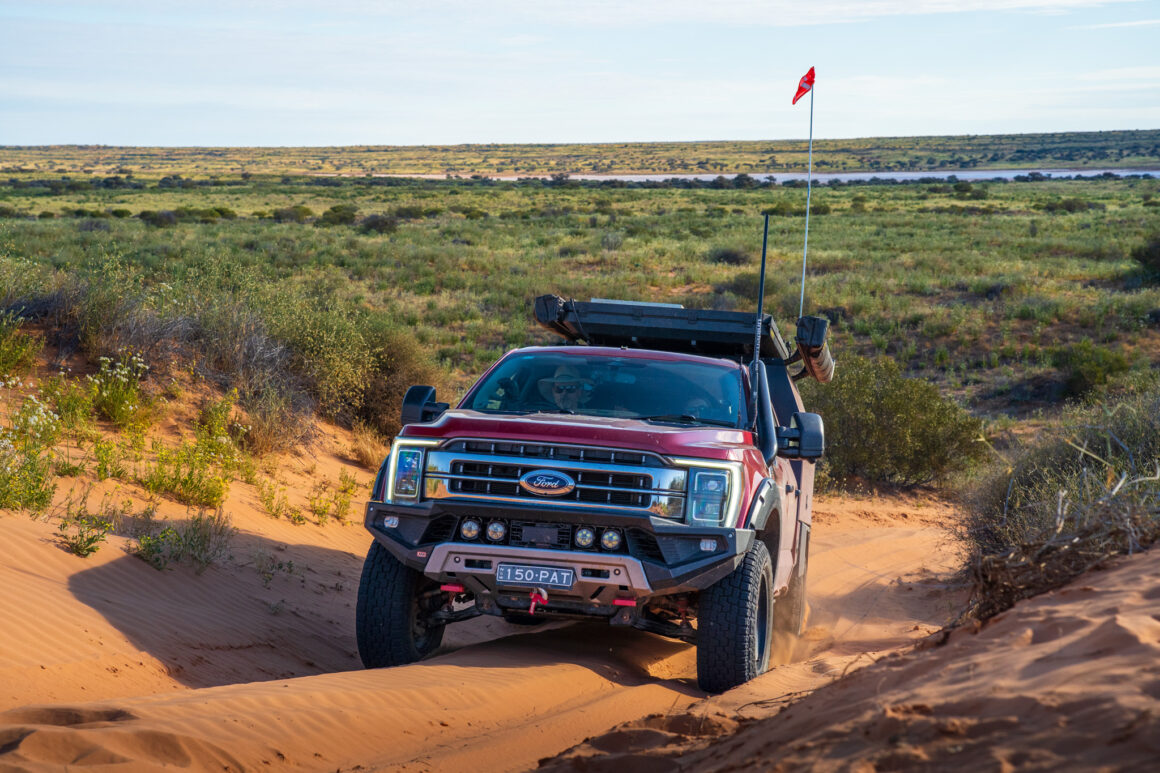
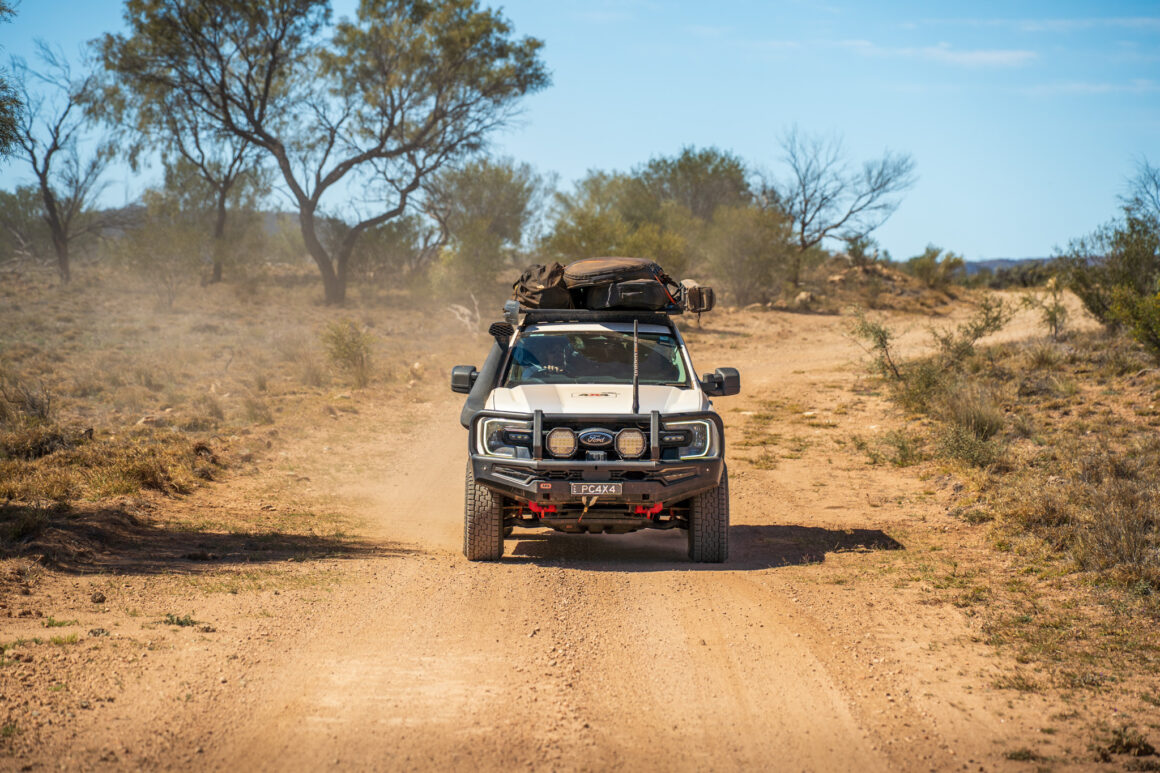
If you’ve driven a new 4X4 on dirt in the last few years, you already know the pain. Corrugations start, lane markings disappear, you move the wheel an inch… and the car starts beeping like you’ve done something wrong. Lane assist tugging. Driver monitoring yelling at you. It’s tech designed for city commuting, losing its mind the moment you leave the blacktop.
From January 2026, ANCAP reckons that’s going to change.
Australia’s vehicle safety authority has announced a major overhaul of its safety testing, and for once, it’s not just about adding more systems. It’s about making sure the systems that are already there don’t actively annoy drivers. ANCAP has openly acknowledged that some modern safety tech “beeps too loud or too often”, and that frustration itself can become a safety issue.
For 4X4ers and anyone who spends time on regional roads, that’s a big shift. It’s an admission that real-world driving doesn’t always look like a painted freeway, and safety systems need to adapt to that.
Smarter Driver Monitoring, Less Constant Beeping
The centrepiece of the new rules is something called “Driver State Link”, which is basically common sense finally being written into policy. If the vehicle can tell you’re alert, focused and in control, it should back off and let you drive.
No constant warnings just because lane lines vanish. No driver-attention alerts while you’re scanning the road for wildlife, washouts, or oncoming road trains. If you’re clearly engaged, the system should leave you alone.
But if you’re distracted, fatigued or genuinely not paying attention, that’s when the car steps in earlier and harder with things like collision warnings or lane support. Safety when it’s needed, silence when it’s not.
ANCAP has also said manufacturers can move away from loud audible alarms altogether. Subtle cues like steering wheel vibrations are now considered perfectly acceptable. Anyone who’s done big days behind the wheel knows that’s a far better solution than another noise competing with tyres, wind and engine drone.
Physical Controls and Lane Assist That Doesn’t Fight You
Another win for 4X4ers is ANCAP finally calling out touchscreens for what they are: a distraction. From 2026, manufacturers will be pushed to bring back physical buttons or stalks for essential functions like indicators, headlights, wipers, hazard lights and the horn.
If they don’t, those controls must live permanently on the screen, not buried in menus. That matters when you’re wearing gloves, bouncing along a track or driving in rain and dust where you just want muscle memory to take over.
Lane-keeping tech is also under the microscope. ANCAP will now measure how aggressively a system intervenes and how much steering input is needed to override it. If the car fights the driver too hard, it gets penalised.
That’s massive for country and outback driving, where the car is often trying to put you into an unsafe situation.
Crash Safety, EVs and Why This Actually Matters
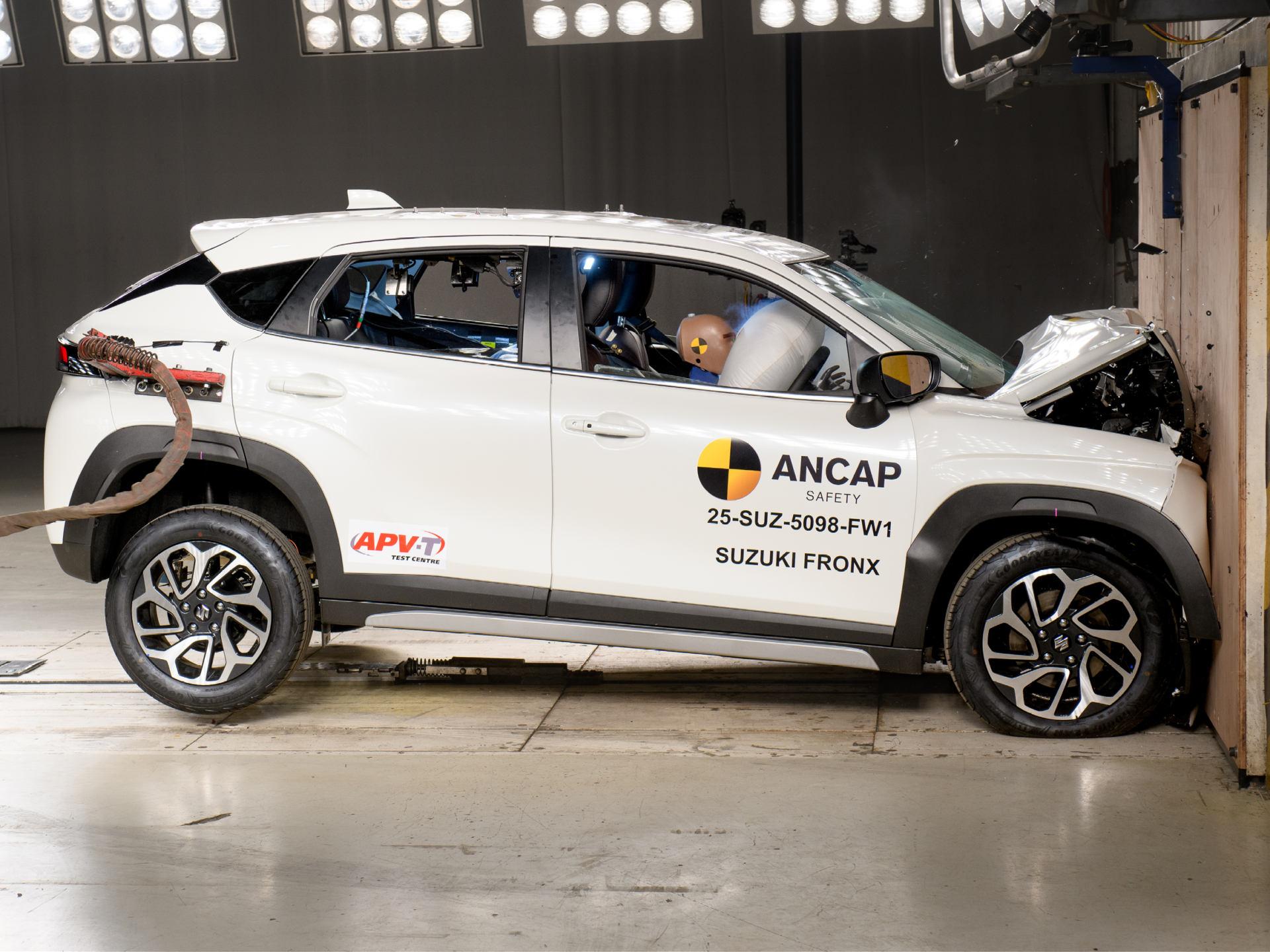
ANCAP hasn’t gone soft on actual crash protection. In fact, it’s getting tougher. Any vehicle that records a critical injury in crash testing will now be capped at four stars, no matter how well it scores elsewhere. Five stars will mean genuine occupant protection, not just clever software.
Testing will also better represent different body sizes, and curtain airbags must stay inflated longer in rollover scenarios, something that’s particularly relevant for taller, heavier 4X4s.
EVs haven’t been ignored either. New rules assess battery fire risk for up to 90 minutes after a crash, and electric door handles must remain usable for first responders. ANCAP is also pushing wider adoption of eCall tech, which automatically contacts emergency services after serious crashes, a potential lifesaver in remote areas.
Put simply, this feels like ANCAP finally designing rules around how Aussies actually drive. For 4X4ers, that’s a long-overdue step in the right direction.


1 comment
A good development. Physical buttons/controls that can be operated easily, even while bouncing along a rough track or wearing gloves, plus a minimum of nannying “driver aids”. were key reasons why I bought an Ineos Grenadier. These are essential design considerations for bush use IMHO.
Indeed some of these so-called “driver aids” create hazards, rather than minimizing risks. Just for one example, there’s those systems that automatically slow you down when you are coming up behind another vehicle. Great in theory perhaps, but when you want to build speed in order to overtake safely they fight against you, killing momentum right when you need it.
Ditto “lane departure assist” – fighting against you when you need to avoid a sudden hazard, like a pothole or roo, or even just want to edge closer to the line to avoid a loose or flooded edge or see past a vehicle in front.