



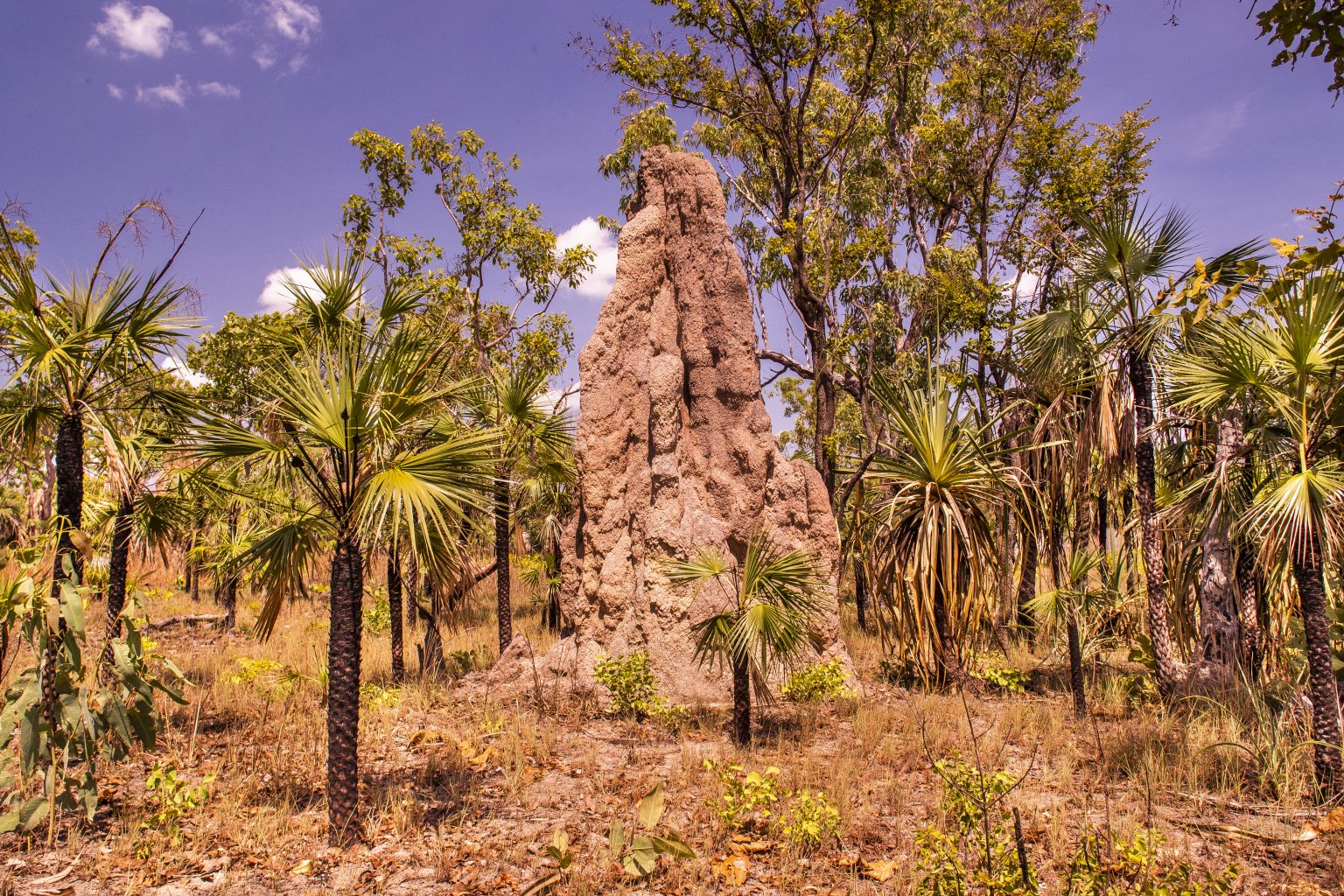
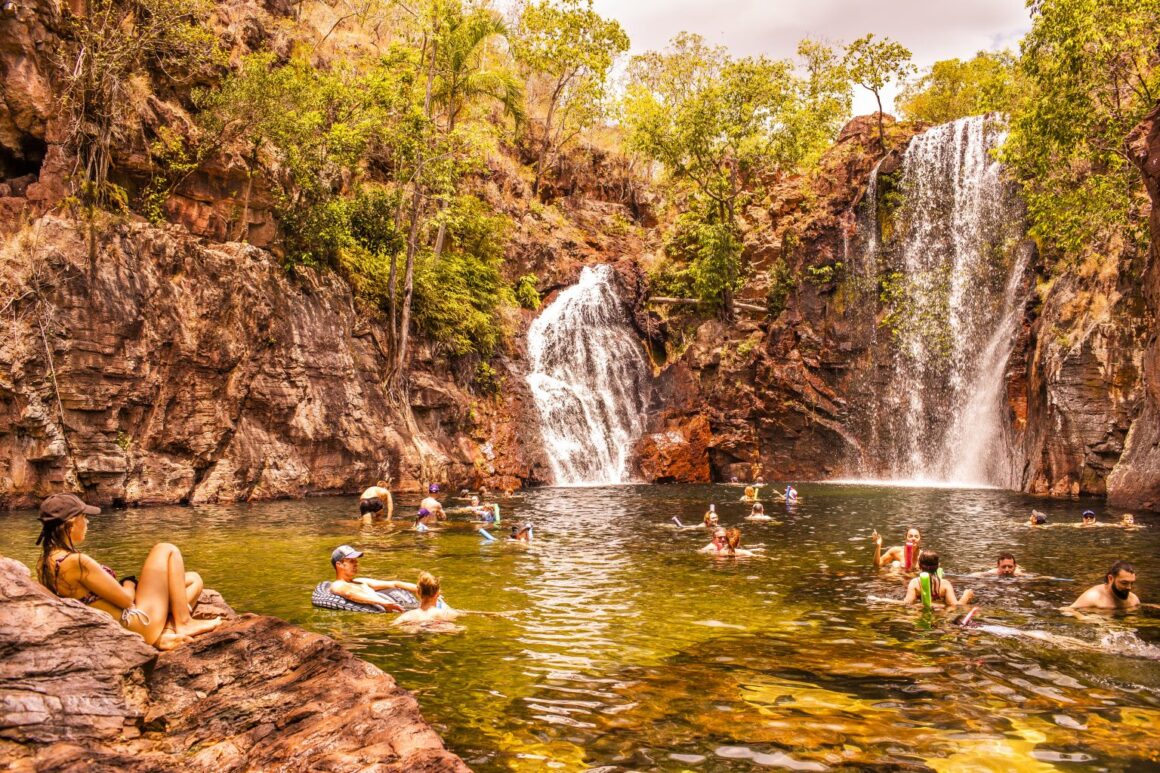
If you’ve ever pointed the bonnet north towards the Top End, Litchfield National Park is usually on the itinerary. It’s the sort of place that makes touring in Australia the envy of the world. You’ve got the magnetic termite mounds standing like tombstones in the scrub. The Reynolds River 4WD track for a bit of low-range action. And Wangi and Florence Falls to wash off the dust after a long day behind the wheel. It’s an icon.
But there is a silent killer moving through the scrub that might shut the whole place down. It’s not a croc, and it’s not a cyclone. It’s grass. Specifically, Gamba grass. A recent report from the ABC has highlighted just how bad things are getting up there. To put it bluntly, Litchfield is under siege. This invasive weed is choking out the native bushland. It’s fuelled by a lack of funding and is spreading fast. If we don’t get a handle on it soon, the “closed” signs might go up on our favourite tracks permanently.
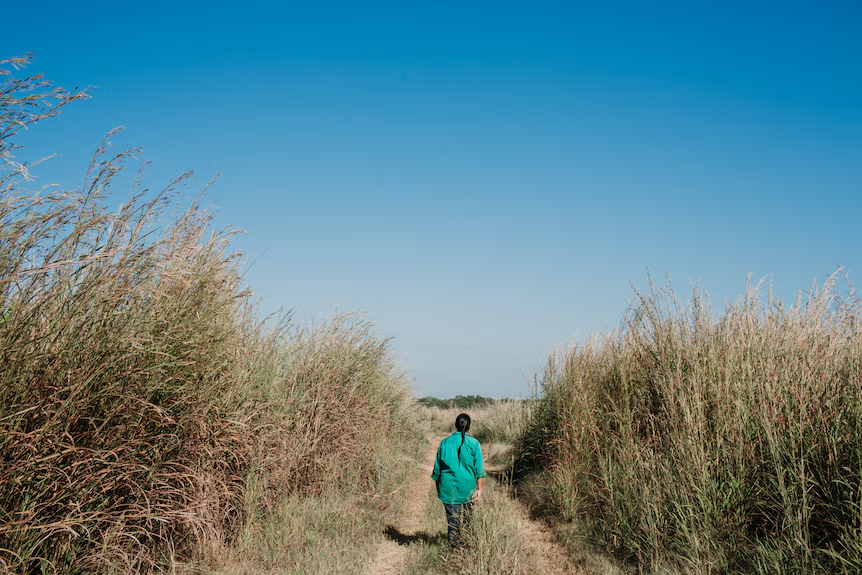
The Green Monster That Eats 4X4 Tracks
You might be wondering how a bit of grass can close a National Park. It comes down to fire. Gamba grass isn’t like the native spinifex or tussock we’re used to driving through. This stuff was brought in from Africa decades ago to feed cattle. It grows tall. We’re talking up to four metres high. It creates a wall of vegetation that is incredibly dense. When it dries out, it doesn’t just burn. It explodes.
Native bushfires usually burn low and slow. Gamba fires burn so hot and high that they kill the trees they grow around. Locals describe the sound of a Gamba fire as a “train roar”. It’s terrifying stuff. This extreme heat destroys the ecosystem. It kills the native animals. But for us touring folks, it creates a safety risk that park rangers simply can’t manage.
When the fuel load is that high, you can’t have campers in the area. You can’t have 4X4s on remote tracks like the Lost City. If a fire starts in Gamba country, it moves too fast to outrun. That means evacuations. It means locked gates. In May of this year, Litchfield Park Road, the main artery in and out, had to be closed due to fire. Imagine towing the camper all the way to the Territory only to be turned around at the gate.
Funding Cuts At The Worst Possible Time
You would think with a threat this big, the powers that be would be throwing everything at it. Apparently not. Funding is actually drying up. A federal funding cycle is ending in June. On top of that, the Northern Territory government has withdrawn support for the “Gamba Army”. These were the crews on the ground actually spraying the weeds and trying to hold the line.
It seems incredibly short-sighted. Litchfield brings in huge tourism dollars. It’s a playground for Territorians and interstate visitors alike. Yet, operators on the ground are worried they won’t have a business in a decade. One tour guide reckoned that without serious intervention, 30 per cent of the park could be overrun in the next eight years. That is a third of the park gone.
If the park becomes a fire trap through gamba grass, the authorities will take the path of least resistance. They will restrict access. We’ve seen it happen all over the country. When an area becomes too hard or too dangerous to manage, they just lock us out. We lose the access to the waterfalls. The remote bush camps. The tracks that make the trip worthwhile. It’s a tragedy in slow motion.
What This Means For Your Next Trip
We need to be realistic about what this means for touring in the Top End. First, it means you need to check conditions before you go. Don’t assume the park is open just because it’s tourist season. If there are Gamba fires about, the gates will be shut. It also means we need to be hyper-vigilant about fire safety. A stray spark in Gamba country isn’t a small problem. It is a disaster.
It also brings up the issue of weed hygiene. We always talk about washing down the rig, but this drives the point home. Seeds get stuck in your radiator, your chassis rails, and your bash plates. If you drive through an infested area and then head down a pristine 4X4 track, you could be the Johnny Appleseed of destruction. We have to take responsibility for our own vehicles.
This gamba grass isn’t just an environmental issue for the greenies. This is a direct threat to our way of life. If we want to keep driving these tracks, the bush needs to be healthy. If the bush turns into a monoculture of African grass that burns like petrol, we won’t be driving there anymore. It’s that simple.


