




The first results from Australia’s New Vehicle Efficiency Standard (NVES) are in, and on the surface, the industry has ticked the box for 2025. Targets met. Credits issued. Everyone moves on.
But if you drive a dual cab, tow a van, or spend your weekends heading bush, this is only the beginning of the story.
Because while 2025 looks comfortable, the real pressure on utes starts from 2026 onwards. And the changes coming over the next few years will shape what sits in Australian driveways for a long time.
The Targets Get Serious, Fast
NVES works by setting fleet-wide emissions caps for each manufacturer. If a brand’s average emissions sit above the cap, it faces penalties. If it stays below, it earns credits.
In 2025, most brands managed to balance the books. That’s largely because the first-year targets weren’t extreme, and manufacturers already had a growing mix of EVs and hybrids helping offset higher-emitting models.
But from 2026, the squeeze tightens hard. Light commercial vehicle targets drop 14 per cent compared to 2025. By 2029, they’re nearly 50 per cent lower than today’s baseline.
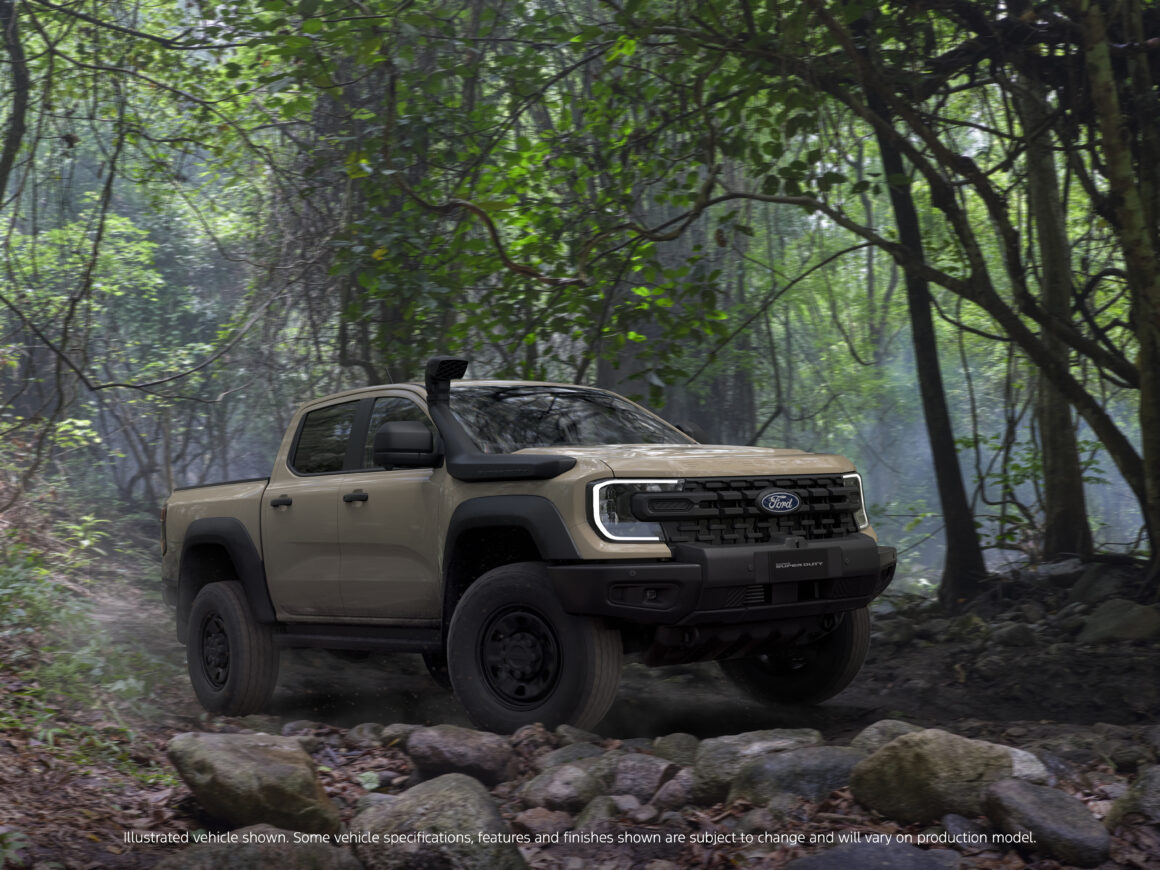
That matters because light commercials include Australia’s favourite vehicles. Think the Ford Ranger, Toyota Hilux and just about any other dual cab ute on the market.
They’re popular, capable and, let’s be honest, not low-emission champions.
So the question isn’t whether NVES affects utes. It’s how.
Why 2025 Was Achievable
Manufacturers met the first-year targets largely because they expanded their lower-emission offerings. More electric SUVs. More hybrids. Smaller turbo engines replacing older designs.
Those vehicles effectively “offset” higher-emitting utes in the same brand’s sales mix.
But EVs still made up just 8.3 per cent of new vehicle sales in 2025. That’s growth, but it’s not explosive. And the tightening NVES targets assume a stronger shift toward lower-emission vehicles over time.
To stay compliant, brands have three levers they can pull:
- Increase EV and hybrid sales.
- Improve the efficiency of their existing engines.
- Absorb or pass on penalties if they miss the mark.
The first option relies on consumer demand. The second takes engineering investment. The third is the one buyers will feel.
If penalties become part of the equation, pricing pressure on high-emission vehicles becomes very real. In a segment where well-optioned utes are already pushing serious money, even modest increases will get noticed.
Are Diesels In Trouble?
Short answer: not tomorrow. But they won’t stay untouched.
The most likely outcome isn’t the sudden death of diesel. It’s electrification layered over the top. Mild hybrids. Full hybrids. Plug-in hybrid dual cabs.
That’s already starting globally, and Australia won’t be immune.
From a touring perspective, electrification isn’t automatically bad. Electric torque for towing, regenerative braking on long descents, reduced fuel use around town. Done properly, hybrid systems could genuinely improve the daily ownership experience.
The sticking points are range, charging infrastructure and real-world durability. Remote touring isn’t the same as commuting in the suburbs. Long distances, heavy loads and limited infrastructure change the equation.
And that’s where NVES meets reality. The policy assumes uptake of lower-emission vehicles increases. But buyers in regional Australia have different priorities to city commuters. That tension is going to define the next few years.
What It Means For 4X4ers
Here’s the practical take.
Over the next three to five years, expect:
- More hybrid and plug-in hybrid variants of mainstream utes.
- Ongoing refinement of diesel engines rather than outright deletion.
- Greater emphasis on lower-emission trims in manufacturer marketing.
- Pricing structures that quietly reflect compliance costs.
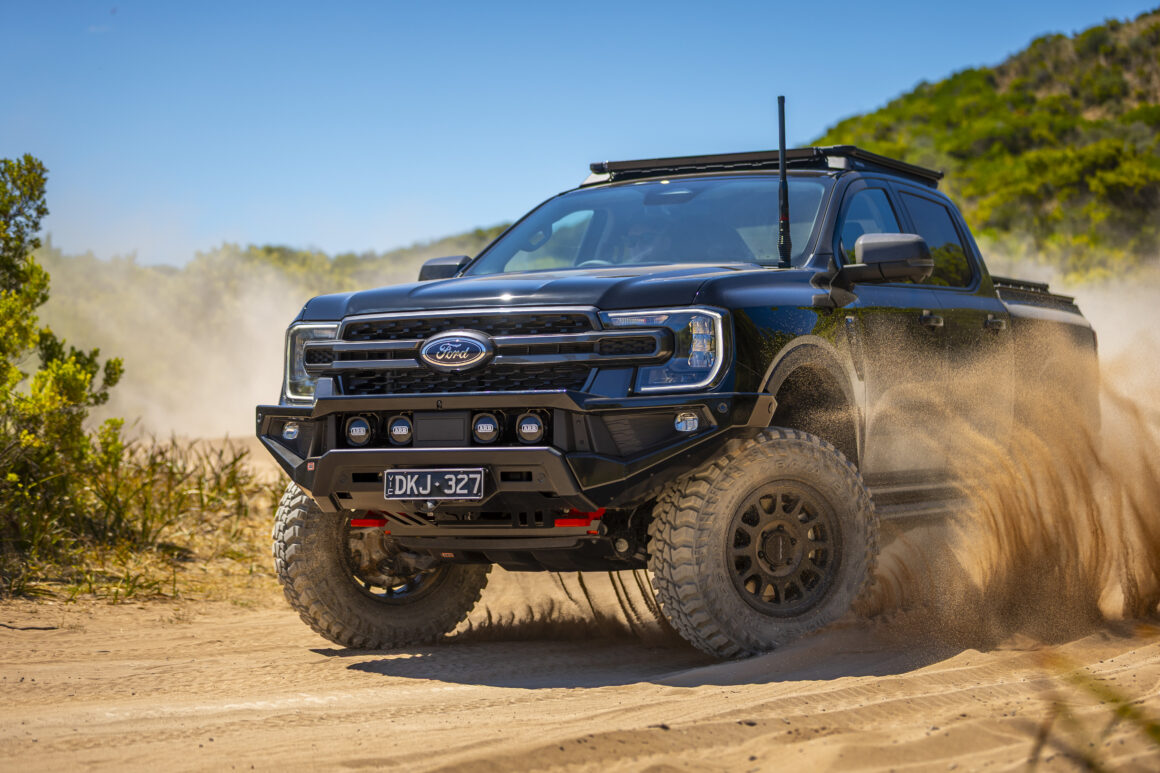
We don’t see the traditional dual cab disappearing. Australia’s towing demands and touring culture are too deeply embedded. But the era of big-capacity diesels sitting comfortably without an electrified partner is winding down.


5 comments
Modern motor vehicles are not a problem to the environment. We should follow the US in this regard. They just dropped this ideologies driven move to these ridiculous emission targets for combustion engines. We have a lot more problems with plastics and not having proper recycling of materials like batteries and solar panels than motor vehicle emission.
Cheers
Joe
what are they going to run planes on elastic bands
It all points to the rising value of a second hand vehicle.
Already, particular vehicles have significantly increased in value , even 40-50yr old ones.
People are seeing the value of a good quality well maintained second hand 4×4.
No need for electric or features that beep all the time.
Just pure simple, a well maintained 4×4 will jump in value far beyond its original purchase price.
So there you go people, look after your rigs and don’t upgrade.
You’ll be far better off in the long run.
Capping old oil wells will be equivalent to removing 25 million plus cars of the road
Ion in the air restoration of positive ions will fix particles in air reduces warming fix ozone layer
There are plenty of fixes
We cleared 4 acres of ground zero we can decontaminate radioactive zones
So why should we pay for petroleum companies adding flame inhibitors to push up fuel consumption compared to other countries levels
Speaking of costs, has anyone run a cost comparison for Insurance prices for electric/hybrid vehicles over Diesel/Petrol. And is the Government prepared to pay the difference?
Pigs might fly one day!