


We’ve seen a few high-flying CEO types roll through Australia over the years, but they usually stick to the boardrooms of Sydney or the cafes of Melbourne. It’s not every day the global head of one of the world’s biggest car companies swaps a suit for work boots and spends a few days getting dusty in Southeast Queensland. Ford CEO Jim Farley recently touched down for a proper look at how we use our rigs, and he didn’t just come for the scenery.
We reckon this is a massive win for the local 4X4 community. Australia has long been the unofficial proving ground for the Ranger, Everest, and even U.S. only Bronco, but having the top brass on the ground proves that Ford HQ finally treats us like the lead market we are. They’re not just selling us global hand-me-downs; they’re looking at our specific, often brutal, requirements to dictate what the rest of the world gets. We’re the benchmark, and Farley’s trip was about making sure Ford stays at the top of a very competitive pile.
Real World Rigs Over Lab Results
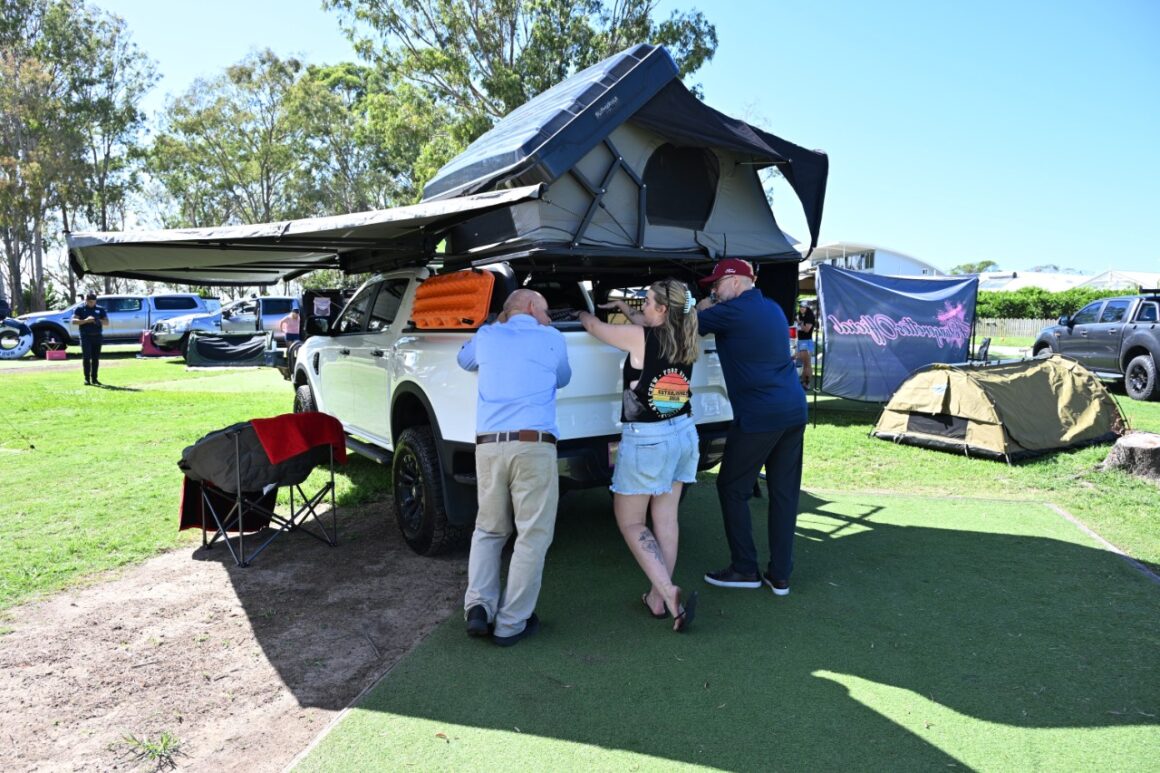
The most interesting part of this visit was the “Gemba” approach. In corporate speak, that means getting out of the office and onto the shop floor, or in this case, the tracks. Farley and his team met up with the Rangerettes, a massive group of female enthusiasts, to see how people actually live out of their vehicles. They weren’t looking at shiny showroom models; they were looking at dirty rigs, custom setups, and how people pack for a week in the middle of nowhere.
We’ve always said that a spec sheet tells only half the story. You can have all the torque in the world, but if the cab layout is rubbish or the tie-down points are in the wrong spot, it fails the bush test. By sitting down with owners who’ve clocked thousands of kilometres on corrugated roads, Farley is getting a direct feed into what the next generation of Rangers needs to look like. It’s about practical, lived-in sense rather than just what looks good in a brochure.
Keeping the Bastards Honest
It is no secret that the Aussies love a scrap, and the dual-cab market is currently a total war zone. Farley didn’t just drive Fords while he was here. He was spotted jumping into the competition, including the venerable LC79, the new BYD Shark 6, and the GWM Cannon. We love the honesty of a CEO who admits they need to see why people are buying the other blokes’ gear. It shows they aren’t resting on their laurels just because the Ranger is currently sitting at number one.
The rise of Chinese brands and the continued dominance of Toyota means Ford has to work harder to keep our business. Watching the big boss do back-to-back payload comparisons on a produce farm in Gatton is exactly what we want to see. We need vehicles that can haul fertilizer on Friday and a camper trailer on Saturday without breaking a sweat. If this trip results in Fords that are built even tougher to beat back the competition, then the Aussie consumer is the one who wins.
The Birth of the Aussie Super Duty
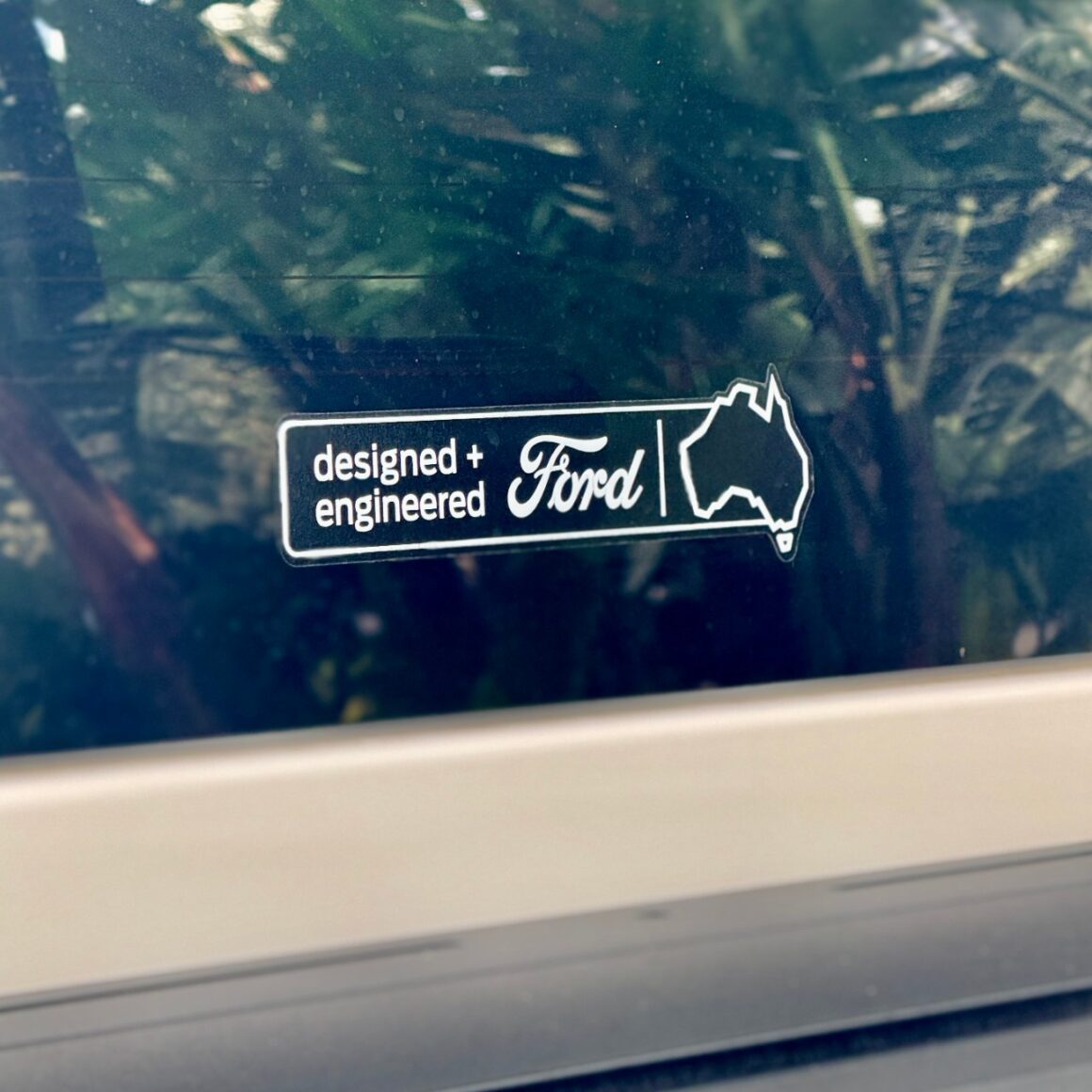
Perhaps the biggest takeaway for the heavy-duty crowd is the validation of the Ranger Super Duty. This isn’t some American truck with a different badge; it was designed and engineered right here in Australia. It exists because Ford listened to fleet operators and serious tourers who needed more than a standard dual-cab but didn’t want the bigger footprint of an F-150. This is the first time the Super Duty name has ever been used outside of North America, which is a huge nod to our engineering prowess.
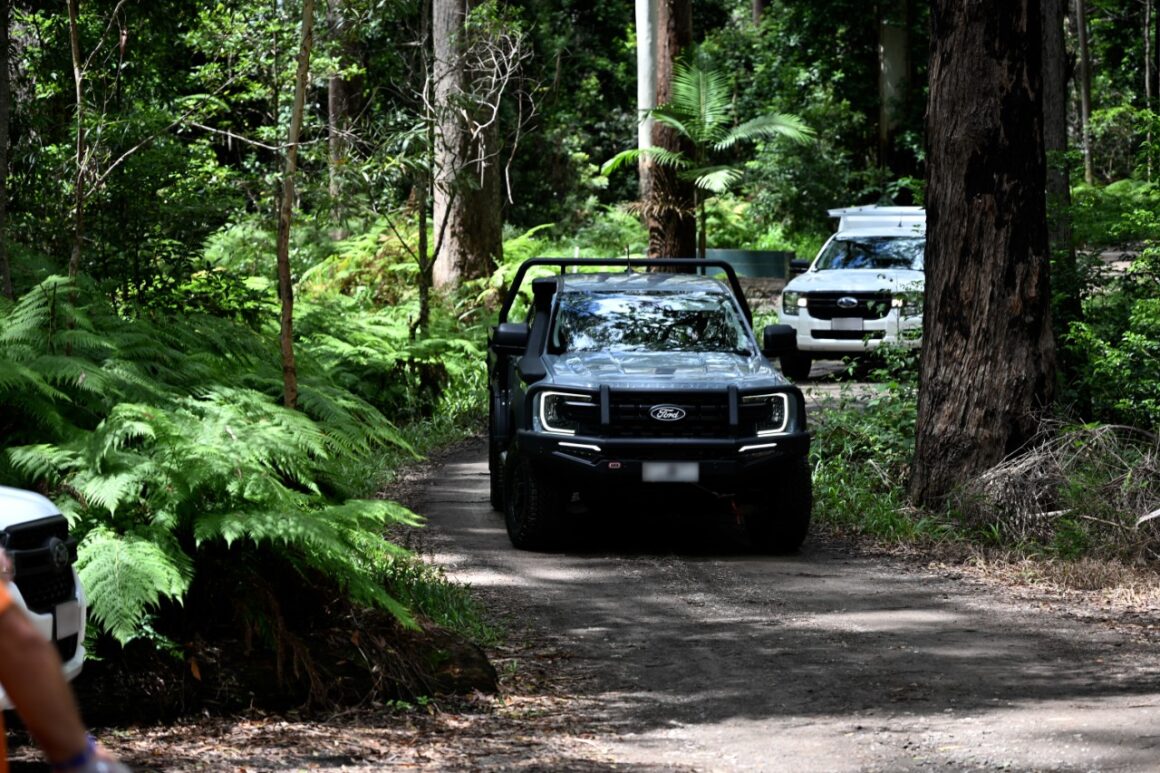
Seeing Farley out in the Queensland forest preserves with first responders proves they are serious about the “Duty” part of the name. These are the rigs that have to work in fire zones and remote conservation areas where a breakdown isn’t just an inconvenience, it’s potentially fatal. By grounding the CEO in the reality of the Australian outback, Ford is ensuring that future models remain focused on capability and durability. We’re looking forward to seeing how these lessons translate into the gear we see in showrooms over the next few years.