
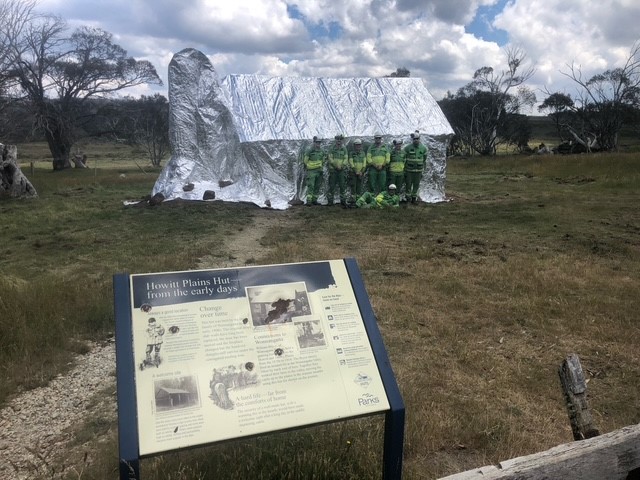
If you’ve spent any real time in the Victorian High Country, chances are you’ve ducked into one of the huts. Maybe it was to get out of the wind. to boil the billy. Or you were just poking around, soaking up the history. Either way, they’re part of the landscape in a way that tracks and rivers are. They belong there.
That’s why it’s genuinely good to see crews in Gippsland and the Victorian Alps taking a proactive approach to protecting some of the most iconic sites in the Wonnangatta Valley and Howitt Road area ahead of bushfire season.
Instead of crossing fingers and hoping for the best, they’re literally wrapping history in fire-resistant PPE.
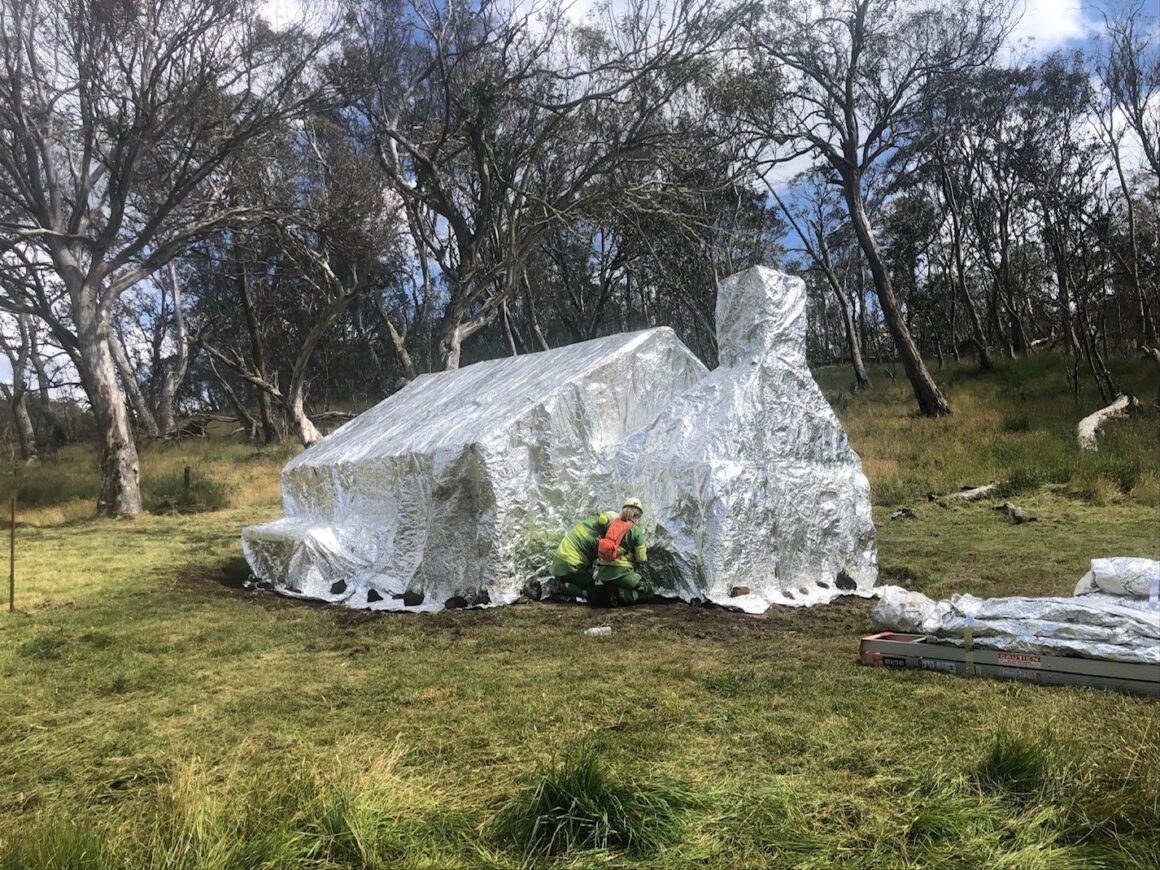
Firefighting tech, but for huts
The material being used is called Firezat, although it does look like they’ve just stocked up on aluminium foil. It’s made from aluminium and Kevlar thread, designed to reflect radiant heat and stop embers from doing what embers do best: sneaking into gaps and lighting things up long after the fire front’s gone through.
Used alongside mineral earth breaks, it gives these structures a fighting chance in extreme conditions. It’s not about making huts indestructible, but about buying time and reducing the odds of total loss when things go bad. And in alpine country, they go bad fast.
Why these huts matter
The priority list reads like a roll call of High Country staples:
Howitt Hut and Guys Hut, built between the 1920s and 1940s, are pure High Country heritage. They’re physical reminders of grazing leases, cattlemen, isolation, and the kind of life that doesn’t exist anymore. Lose them, and you don’t just lose a building, you lose history.
Then there’s the Vallejo Gantner Hut at Macalister Springs, built in 1970 and known affectionately as the “Loo with a View.” It might not be as old, but if you’ve walked the Crosscut Saw or spent time up around Mount Howitt, it’s burned into your memory. Bushwalkers, horse riders, ski tourers; it’s a refuge for all of them.
Even the Wonnangatta Valley Cemetery is being protected, with original fencing and headstones wrapped to preserve family history tied to the old station days. That’s the kind of detail that matters. Once it’s gone, it’s gone.
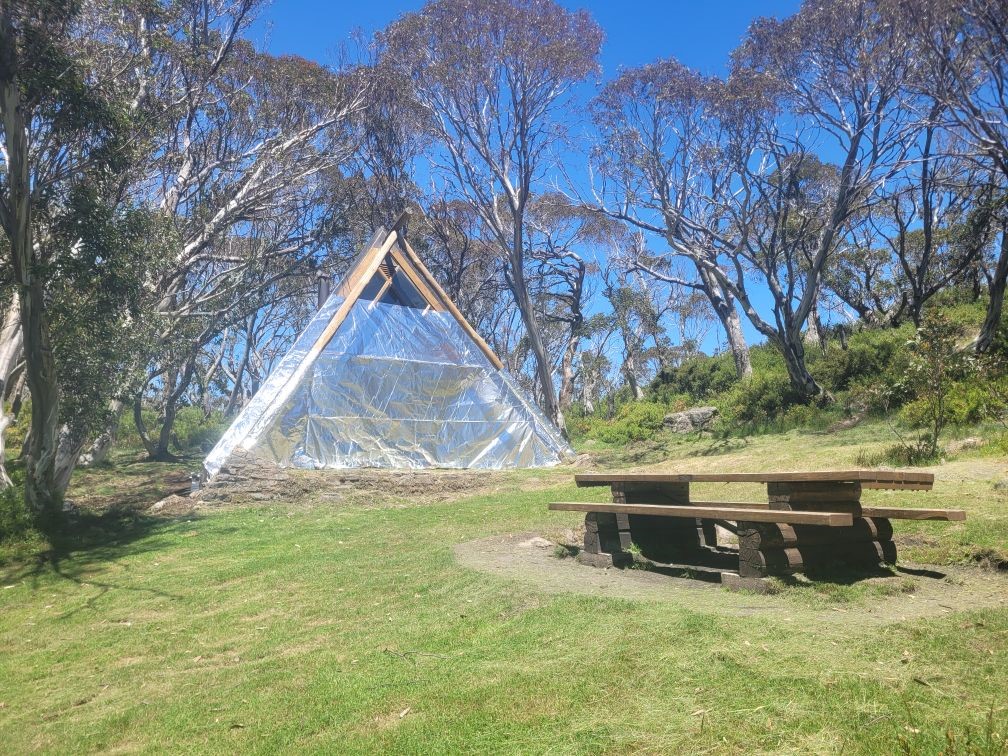
This is the bit we should all agree on
There’s always noise around High Country management. Tracks open or closed. Fires lit or not. Who gets access and who doesn’t. But this shouldn’t be controversial. Protecting huts and heritage sites is about respecting the stories baked into it.
From a 4X4ers perspective, these huts are part of why the High Country feels like the High Country. They give weight to a trip. They’re waypoints, shelters, and sometimes the only thing standing between a rough night and a dangerous one.
And let’s be blunt: rebuilding huts after they burn is expensive, slow, and often politically messy. Prevention is smarter, cheaper, and far more respectful.
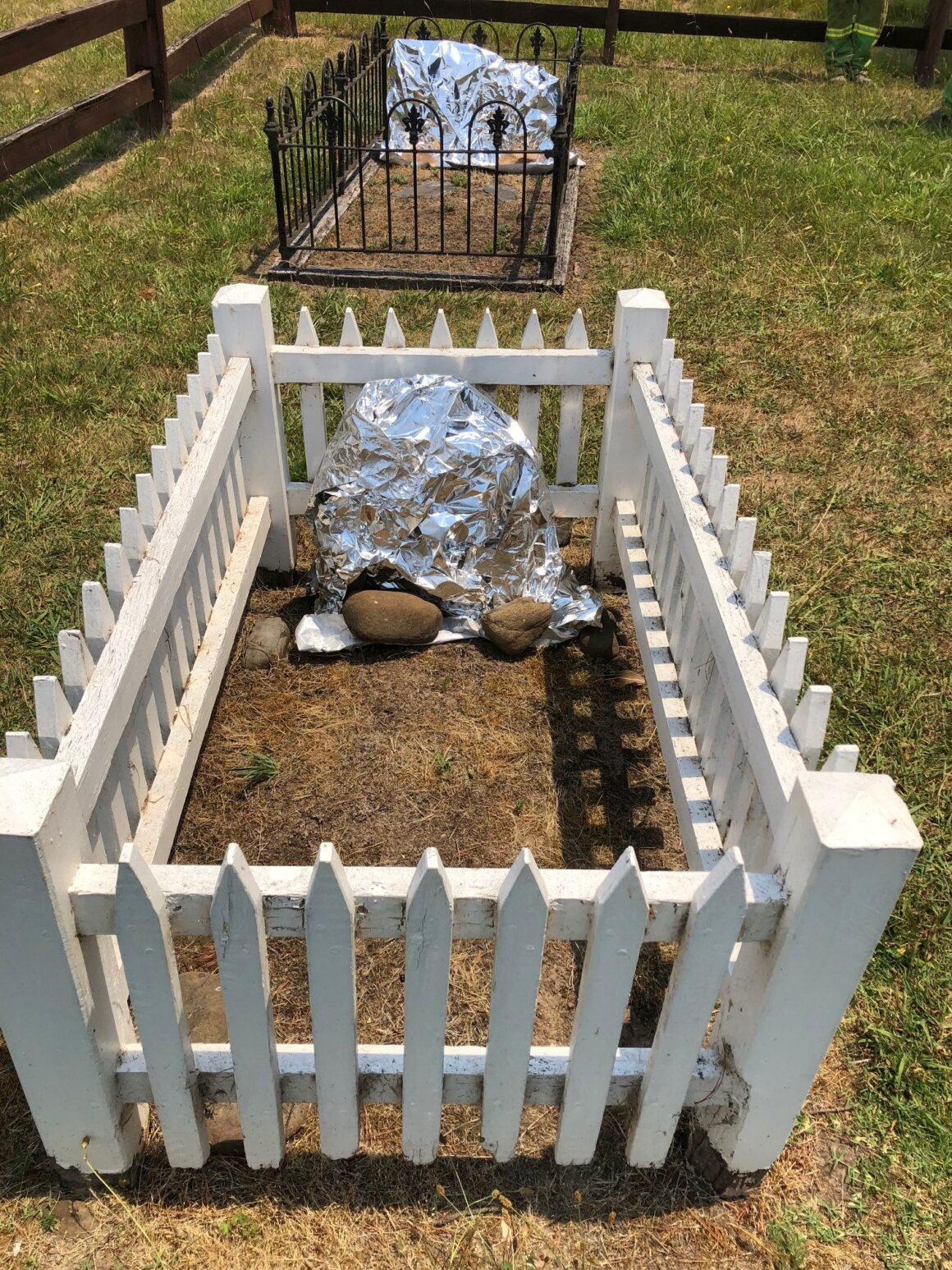
A glimpse of where bushfire management is heading
This kind of targeted, asset-specific protection feels like a glimpse into the future of fire management. Instead of blanket approaches, we’re seeing smarter, more precise interventions that acknowledge what’s irreplaceable.
It’s not about stopping the fire – that’s unrealistic. It’s about protecting what we’re not willing to lose. If that means a few crews hiking into remote valleys to wrap huts, fences, and headstones in high-tech fire blankets, that’s a trade most of us would take every day of the week.
Because once those huts are gone, no amount of Instagram nostalgia brings them back.






4 comments
Well well someone doing something absolutely fantastic. Glad to hear & great to see.
I need to get back up to the high country to see this
Love the article on protecting the High country huts during the summer bush fire season. What a clever way on protecting our history. A big “Thank you “ to the crew’s & technology out there for being proactive.
That is absolutely fantastic, great to see a proactive response.