
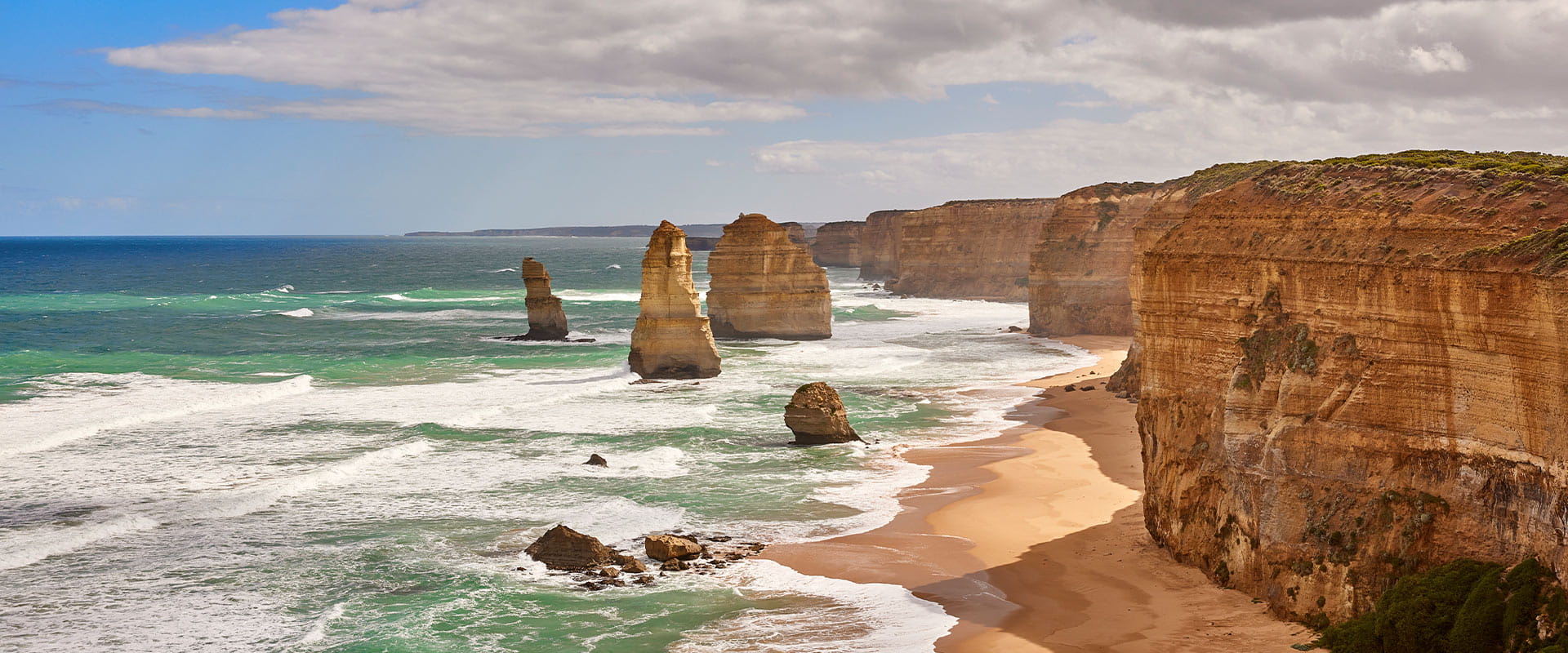
One of Australia’s most recognisable coastal landmarks will soon come with an entry fee attached.
The Victorian Government has confirmed plans to introduce a tourist charge linked to the new Twelve Apostles Visitor Experience Centre on the Great Ocean Road, which is scheduled to open later this year. Exactly how much visitors will pay hasn’t been decided yet, but the move is already sparking plenty of debate.
For millions of 4X4ers who make the pilgrimage along the Great Ocean Road each year, it may soon mean paying for access to one of the country’s most photographed landscapes.
A Fee For One Of Australia’s Most Famous Views
The plan centres around the construction of a new visitor precinct near the Twelve Apostles, with the Victorian Government saying the entry fee will help fund long-term upgrades and maintenance across the region.
According to Environment Minister Steve Dimopoulos, the idea is fairly simple: the people who travel from around the world to see the limestone stacks contribute to looking after the place. Locals and members of the Eastern Maar community won’t be charged under the proposal, with the fee aimed squarely at visitors passing through the region.
Revenue raised will be managed by the Great Ocean Road Parks and Coastal Authority and directed toward projects like improved beach access, upgraded visitor facilities and maintaining historic sites along the coastline. The government says the aim is to keep the Great Ocean Road region functioning as a world-class destination while handling the enormous number of tourists it attracts every year.
Managing A Massive Number Of Visitors
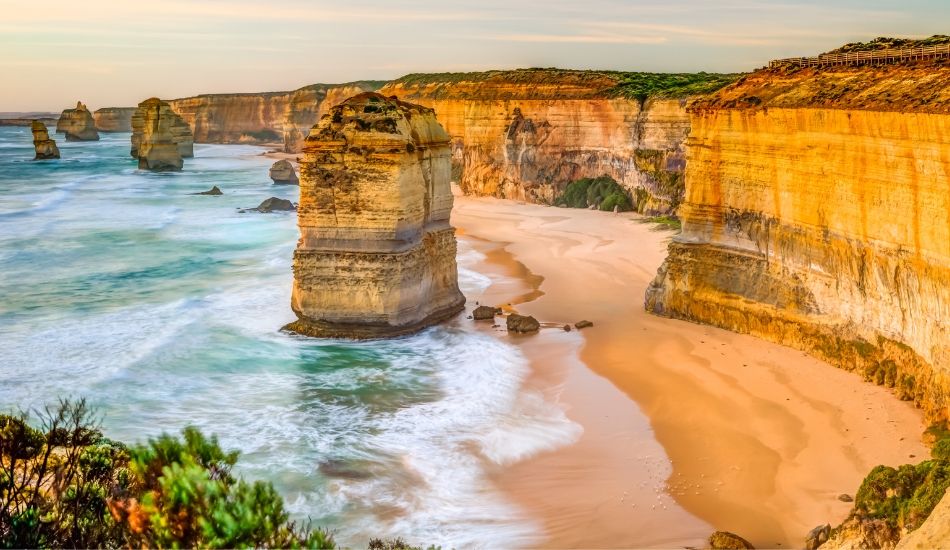
The scale of tourism along this stretch of coastline is hard to ignore. More than six million people travel the Great Ocean Road each year, and roughly two million of them stop at the Twelve Apostles. On busy days that can mean upwards of 16,000 people passing through the viewing areas.
That level of traffic creates real challenges, from parking chaos to overcrowded walkways and increasing environmental pressure on the fragile coastal landscape. To manage that demand, the government also plans to introduce a booking system for the new visitor centre. The idea is to spread visitors more evenly throughout the day and guarantee parking during peak times.
It’s a model that’s already used in several popular natural attractions around Australia and overseas.
Not The First Icon To Charge Entry
Supporters of the plan point out that plenty of Australia’s most famous natural landmarks already charge access fees. Entry fees apply at places like Uluru-Kata Tjuta National Park, parts of Kosciuszko National Park and Tasmania’s Wineglass Bay lookout track. In those cases the money is generally directed toward park management and maintaining infrastructure.
Tourism operators along the Great Ocean Road say the Twelve Apostles situation isn’t all that different. The region recently saw the construction of a $128 million visitor centre, designed to improve the overall experience and cope with growing visitor numbers. Supporters argue that infrastructure on that scale needs ongoing funding if it’s going to work properly.
Critics Call It A Cash Grab
Not everyone is convinced. Victorian Opposition Leader Jess Wilson has labelled the proposal a “cash grab”, arguing that one of the state’s most iconic natural sights should remain free to access.
Some local community groups have also raised concerns about where the money will actually end up. The Port Campbell Progress Group says the huge volume of visitors is clearly putting pressure on the park, but there are worries the new revenue could be funnelled mostly into infrastructure rather than environmental protection.
There’s also concern that introducing a fee could discourage some travellers or push people toward alternative unofficial viewing spots. That’s something locals say will need careful planning to avoid unintended consequences.
What It Means For Travellers
For now, the exact details are still being worked through. The Victorian Government says consultation with local councils, tourism operators and traditional owners will determine what the fee will actually look like and how the booking system will operate.
Importantly, the proposed charge is tied to the new visitor centre rather than the entire Great Ocean Road itself. Travellers driving the iconic coastal route will still be able to explore the region as normal. But if the proposal goes ahead as planned, the days of simply pulling into the car park and walking straight to the viewing platforms at the Twelve Apostles may soon be over.
Whether visitors see it as sensible management of an overcrowded attraction or just another fee added to an already expensive road trip will likely depend on how it’s implemented. One thing is certain though. With millions of people visiting every year, the pressure on this stretch of coastline isn’t going away anytime soon.


1 comment
No matter how the local indigenous and the council twist the truth, it is still a blatant cash grab that will cost Australians or prevent them from seeing their own Country. This is just disgusting.