

We usually head south of Broome to find a quiet stretch of sand or to test out a new set of rubber on the pindan, but the landscape on Karajarri country is about to look a whole lot more high-tech. There is a massive multi-billion-dollar project on the cards called Project Meridien. It aims to build the biggest AI data centre in the country right in our backyard. While “AI factory” sounds like something out of a sci-fi flick, it’s basically a shed full of the world’s most powerful computers, powered by the sun and wind of the Kimberley.
For those of us who reckon the best thing about the north is getting away from screens, this might feel a bit close to home. But the scale is hard to ignore. We’re talking about a facility that could eventually hit one gigawatt of power. To put that in perspective, that sort of grunt could power up to a million homes. It’s a massive play for Western Australia, positioning the Kimberley as a global hub for the tech that powers things like Ai and high-level mining data.
More Than Just a Shed in the Scrub
You might be wondering why on earth they would build a giant computer lab in one of the harshest environments on the planet. It turns out the Kimberley has two things tech giants crave: heaps of space and endless renewable energy potential. The project is a joint venture involving the Karajarri Traditional Lands Association, meaning the Traditional Owners are one-third partners in the deal. This isn’t just a company coming in and digging a hole; it is a co-owned project on a scale we rarely see in Australia.
The facility will be powered by a mix of wind turbines, solar panels, and natural gas. There has been a bit of chatter about these centres sucking up all the local water, but the team behind Project Meridien says they are using a closed-loop system. This means they recirculate the same water to keep the servers cool rather than evaporating it away. It’s a smart move in a part of the world where water is the most precious resource we have.
What Does This Mean for Our Tracks?
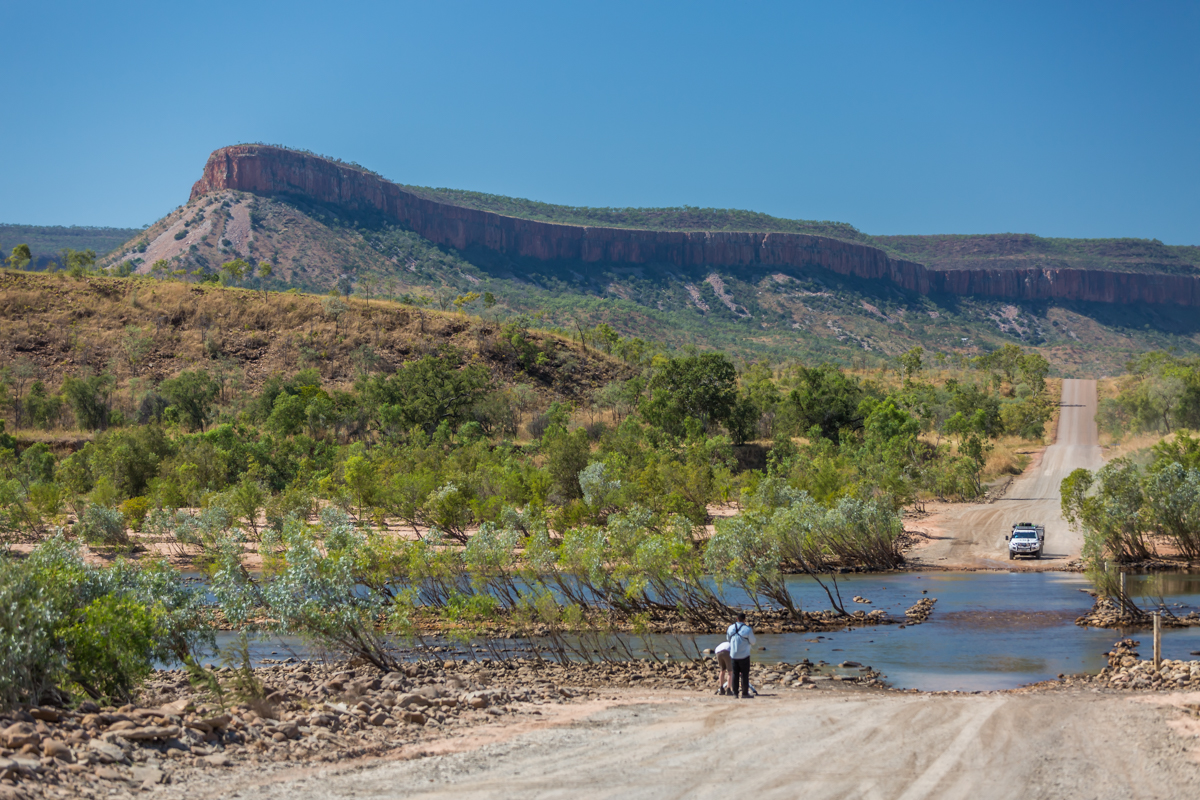
Now, the real question for us: what does a massive “AI factory” mean for 4X4 access and the tracks we love? The development footprint covers about 275 square kilometres south of Broome. While that is only about one percent of the total Karajarri land covered by the agreement, a project of this size usually brings two things: more roads and more people. We could see upgrades to local access tracks and potentially more traffic as construction kicks off towards the end of the decade.
The project is slated to start building in late 2029, with the doors opening around 2032. While we’re still a fair way off from seeing wind turbines on the horizon, it’s a reminder that the “empty” north is becoming a very busy place. Whether it’s mining, green energy, or now global tech, the Kimberley is being asked to do a lot of heavy lifting. We just hope that as the region grows, we don’t lose the remote, rugged character that makes us want to head up there in the first place.
The Tech-Heavy Future of the Bush
We often talk about the Kimberley as a place where time stands still, but this project proves that the future is arriving whether we like it or not. The idea of an “AI factory” sitting in the middle of the pindan is a strange one to wrap your head around. But if it brings jobs to the local community and uses the sun we usually complain about to power the world’s tech, it is hard to argue with the logic.
The environmental studies are the next big hurdle, and the project will need the green light from the WA watchdog before a single solar panel is bolted down. We’ll be keeping a close eye on how this affects access to the coastal spots south of Broome. It’s a massive shift for the region, and it goes to show that even the most remote corners of the country aren’t immune to the digital revolution. Just don’t expect the AI to help you out of a bog in the middle of the wet season.


2 comments
Believe it when you see it.
I am no greeny by any stretch of the imagination, but these completely dillusional people that think wind turbines and solar panels will look amazing in the middle of this beautiful area are seriously off this planet. Bloody typical that certain types of humans just love to destroy our landscape for the sake of a few jobs and to appease the non caring globalists.