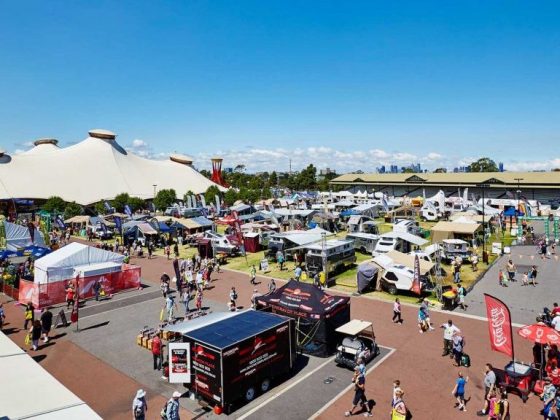

One of the biggest mistakes new 4X4ers make is assuming that because they’re out in the bush, they have the place to themselves. The reality is that every track is shared. You might be the only vehicle you’ve seen for hours, but around the next corner could be another 4X4, a motorbike, a group of hikers or even station workers trying to get a job done.
Good track etiquette starts with understanding that everyone has an equal right to be there. That means driving at a sensible speed, particularly near campsites, lookouts and popular recreation areas. Nobody wants a cloud of dust rolling through camp while they’re trying to cook dinner.
It also means being prepared to give way when required. On narrow tracks, the vehicle with the easiest option to pull over should generally do so. If someone has reversed 200 metres to let you pass, a friendly wave isn’t optional.
The bush works differently to city traffic. There are no road rules written on signs every few kays. Instead, there’s a shared understanding that everybody helps each other out and treats others with respect. Follow that simple principle and you’ll fit in just about anywhere.
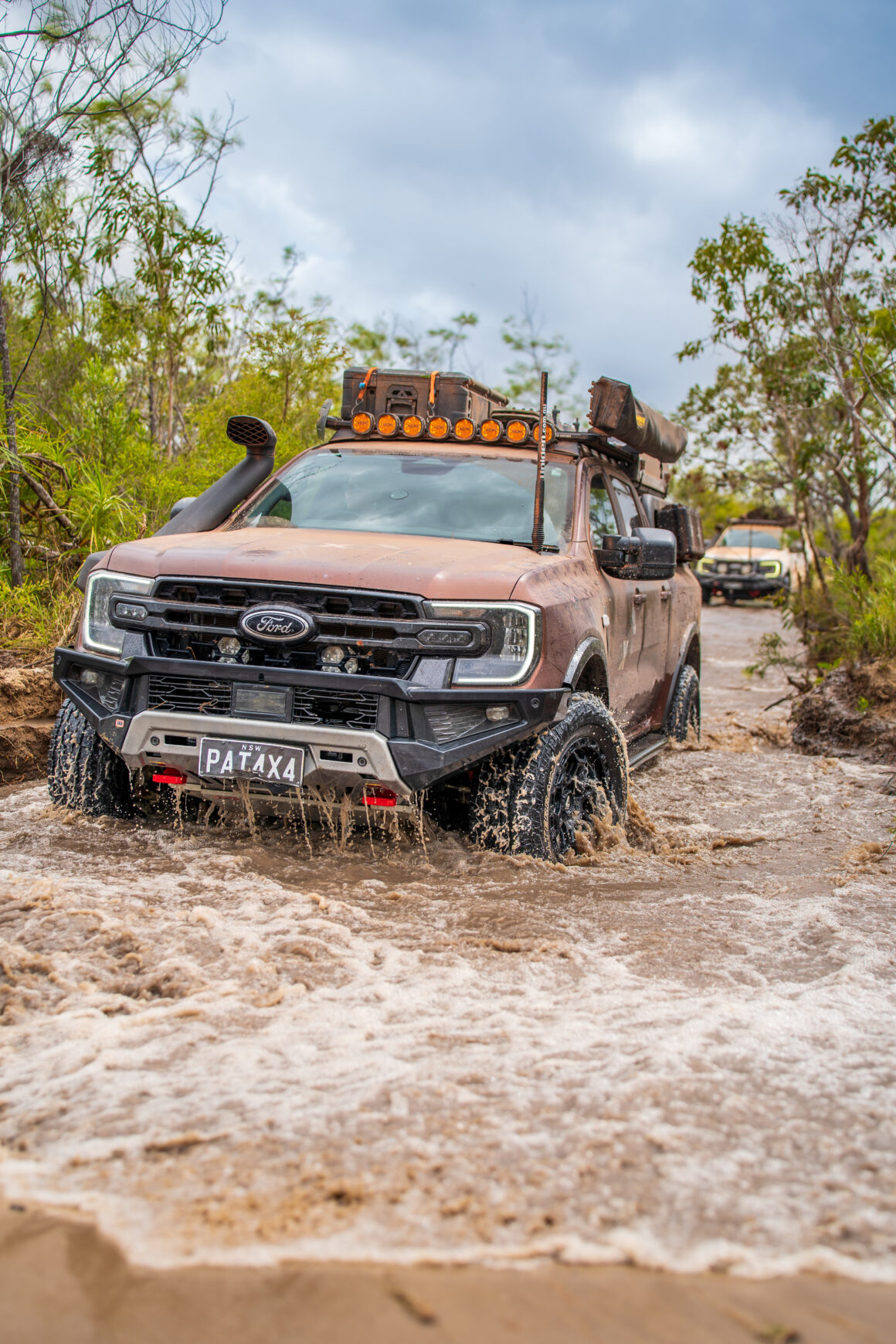
The Radio Is Your Best Friend
If you’ve ever driven a steep mountain track or winding forest road, you’ll know visibility can disappear in a hurry. That’s where a UHF becomes one of the most valuable tools in your vehicle.
Many experienced drivers will make regular calls when approaching blind crests, tight switchbacks or narrow sections of track. A quick heads-up can prevent an awkward meeting halfway up a hill where neither vehicle has room to move.
The same goes for convoy travel. Constant radio chatter isn’t necessary, but communicating hazards, washouts, wildlife or oncoming traffic helps everyone enjoy a safer day.
There’s another side to radio etiquette as well. Nobody wants to listen to endless shouting, bad language or someone holding the microphone for ten minutes straight. Keep calls clear, concise and relevant.
If you hear someone asking for assistance, answer if you can. One of the best things about the four-wheel drive community is that most people are willing to help when things go wrong. Whether it’s recovery gear, mechanical advice or simply local knowledge, a little cooperation goes a long way.
Good radio etiquette isn’t about sounding professional. It’s about helping everyone get home safely and making the tracks less stressful for everyone using them.
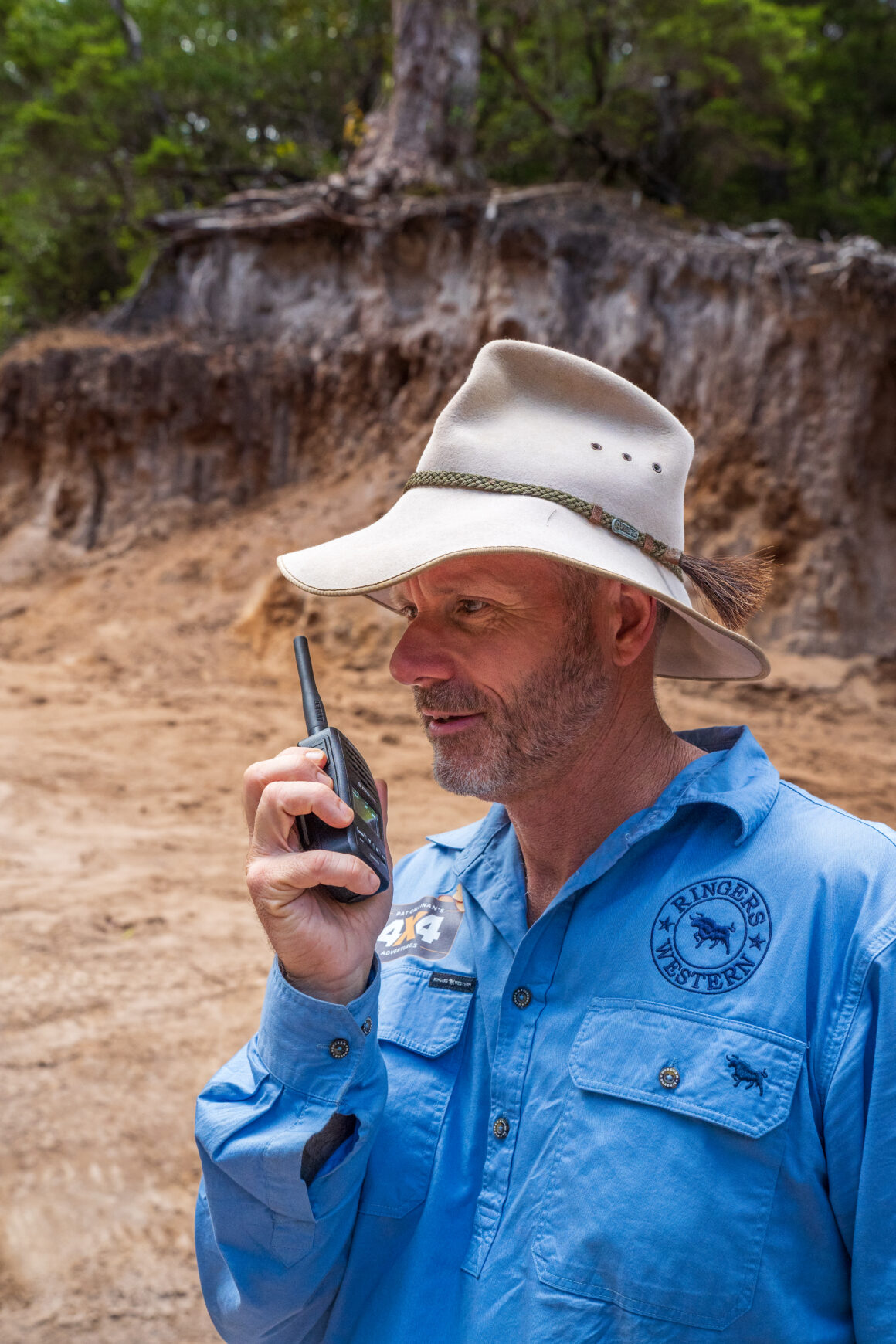
Leave The Ego At Home
Few things ruin a day on the tracks faster than someone trying to prove a point.
We’ve all seen it. The driver who refuses to air down because they think tyre pressures are for beginners. The bloke who charges every obstacle at full throttle. The person who holds up a convoy because they need five attempts at every hill climb while refusing any advice.
The reality is that nobody wins when ego takes over. Tracks get damaged, vehicles get broken and recoveries become far more dangerous than they need to be.
Good etiquette means knowing your limits and understanding your vehicle’s capabilities. If an obstacle looks beyond your comfort level, there’s no shame in taking a bypass. In fact, many experienced tourers will tell you that the smartest drivers are usually the ones who know when not to attempt something.
The same applies when travelling in groups. If someone is spotting you through a difficult section, listen to them. If a track is already chopped up after rain, think about whether your actions will make it worse for everyone else.
The goal isn’t to conquer every obstacle. It’s to have a good day, enjoy the bush and drive home with your vehicle in one piece.
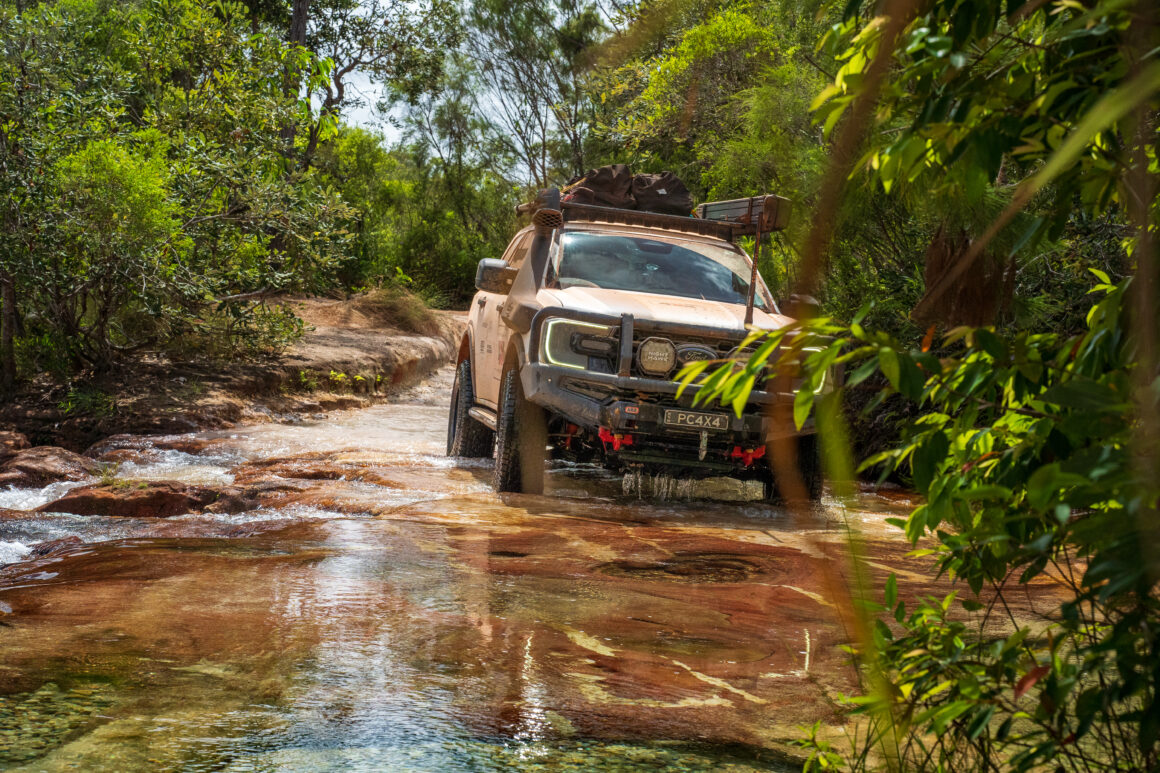
Protecting Access For Everyone
Perhaps the most important unwritten rule of all is remembering that every action reflects on the wider four-wheel drive community.
Track closures rarely happen because of a single vehicle. They usually happen because of repeated complaints, environmental damage, rubbish dumping or poor behaviour over time.
That means sticking to designated tracks rather than creating new ones. It means avoiding muddy bypasses that quickly become permanent scars across the landscape. It means taking your rubbish home, even if it’s not yours.
It also means showing courtesy to landowners, local communities and other outdoor users. A friendly conversation at a gate or campground can do more for the reputation of four-wheel drivers than any social media campaign ever could.
The reality is that access to great tracks is becoming harder to keep. Population growth, environmental pressures and increasing land-use conflicts mean every closure hurts.
If we want future generations to enjoy the same adventures we do today, protecting access has to become everyone’s responsibility.
At the end of the day, track etiquette isn’t really about rules. It’s about respect. Respect for other people, respect for the environment and respect for the privilege of being able to explore some of the best country on earth.