
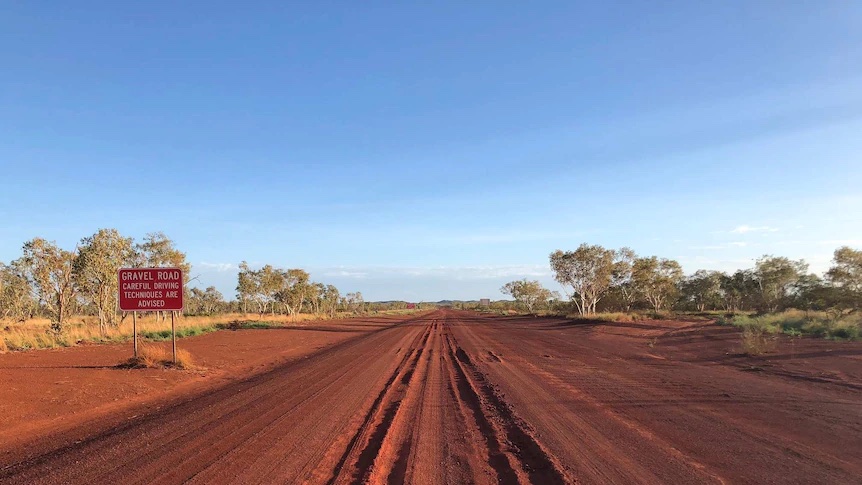
We love getting out into the red dirt as much as anyone, but lately, we’ve been seeing some pretty grim reminders of how quickly the outback can turn on you. The bush doesn’t care how experienced you think you are, and it certainly doesn’t give you a second chance if you make a lazy mistake. National data shows land searches are up by 11 per cent, and the most frustrating part for rescue crews is that nearly all of these tragedies are entirely preventable.
It is easy to sit around the campfire and think it will never happen to me, but complacency is the biggest killer in the bush. People get too comfortable with familiar tracks or rely entirely on local knowledge, forgetting that a single flat tyre, a missed turn, or a brief lapse in judgement can leave you stranded in a very dark place. When you’re hundreds of kilometres from the nearest town, the margin for error is razor-thin, and your timeframe for survival shrinks by the hour.
When A Short Stroll Turns Fatal
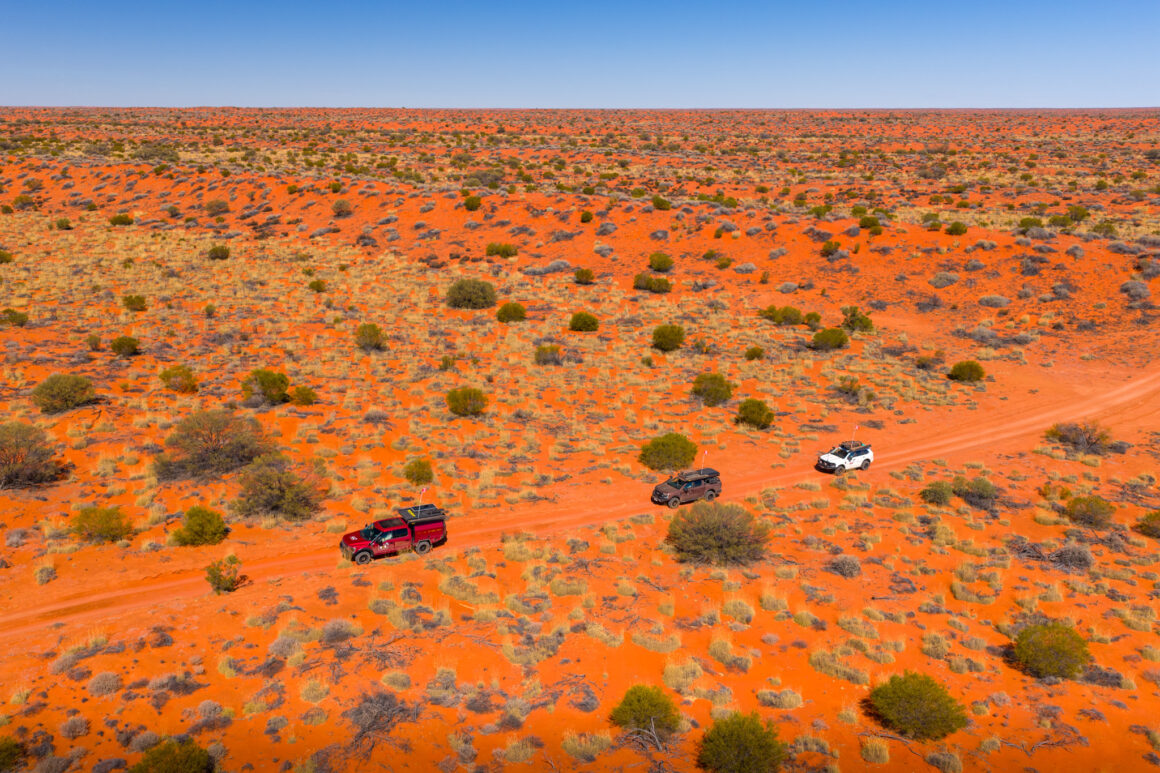
We often think of outback survival situations involving a massive mechanical failure in the middle of Simpson Desert, but the reality is much more mundane. People are dying just a few kilometres from their campsites simply because they went for a quick walk and lost their bearings. Take the heartbreaking story of a father and son prospecting in Western Australia’s Murchison region. They left their camp on foot, became disoriented, and were found dead just two kilometres away.
Another bloke, a retired truckie named Brian Brady, went for what he thought would be a quick one-hour walk with his metal detector near Mount Magnet. He tracked a promising wash-out, looked up, and realised he had absolutely no idea which way was back. He spent four days wandering the scrub, blistering in the sun and hallucinating, before police technicians randomly spotted his legs sticking out from under a bush. He was hours from death, all because of a careless stroll without his gear.
The Critical Error Of Walking Away
When things do go pear-shaped, the human brain tends to make some pretty shocking decisions under stress. Brian Brady admitted his first major mistake was trying to walk his way out of trouble because he felt bad about causing a fuss and inconveniencing rescue crews. That sort of thinking will get you killed. If you get stuck, broken down, or lost, you stay with your vehicle or your last known safe point.
A vehicle is a massive target for an aerial search party; a lone human body under a mulga tree is practically invisible. Experienced hiker Neil Campbell learned this the hard way in the Helena and Aurora Range when he walked down the wrong side of a ridgeline. Luckily, he knew enough to stop, build a cubby under a fallen log, and wait it out, allowing rescuers to spot a sign he’d scratched into a nearby track. Walking aimlessly just guarantees you will run out of water faster.
The Three Hundred Dollar Lifesaver
There is absolutely no excuse for heading into remote country without a Personal Locator Beacon nowadays. We see people spending thousands of dollars on the latest suspension, big tyres, and top-tier camping gear, yet they skimp on a three-hundred-dollar PLB that fits in a shirt pocket. If you get into trouble, a PLB takes the search out of search and rescue. You press the button, emergency services get your coordinates via satellite, and they come straight to you.
There is a big push from grieving families to make PLBs mandatory for remote land travel, much like EPIRBs are for boats in open water. While the bureaucrats argue over personal responsibility, we reckon you’d have to be a bloody idiot to head out without one. Don’t leave it tucked away in the glovebox either. If you leave the vehicle for any reason, even just to find a spot to do your business or check a track layout, that beacon needs to be clipped to your belt.
Real World Bush Sense For Your Next Trip
Surviving the outback isn’t about being a tough guy; it’s about using your head before you leave the driveway. First up, always make sure someone reliable back home knows exactly where you are going and when you are due back, so they can raise the alarm if you miss your check-in. Carry way more water than you think you need, pack a proper first aid kit, and always prioritise communication gear over aesthetic bar work.
The outback is a beautiful place to explore, but it can become an unforgiving landscape in the blink of an eye. We need to stop treating remote travel like a trip to the local caravan park. Respect the country, pack the right survival gear, keep your wits about you, and make sure you have a foolproof plan for when things inevitably go wrong. That way, we all get to come home and talk about it over a cold beer.





2 comments
“became disoriented” – well done Pat. Even the ABC couldn’t get it right telling the same story!
I fear that being able to speak and write English is a generational thing.
We carry a ‘Find Me Spot’, yep the annual subscription becomes more expensive than a PLB, but it does come with the advantage of being able to do the reverse and sending “I’m OK” messages to a selected list. It also has a function of being able to send a ‘distress’ message to a select list without initiating a full blown ‘rescue’ e.g. in the event of a breakdown.
I see things like a Find Me Spot, or PLB, much like insurance or a winch, I would not be upset to have it, and never use it.