

We’ve all been there. You’re settling into a long stretch of tarmac or navigating a tricky line through the rocks, and the silence is shattered by someone who treats the UHF like their private podcast studio. It’s the backbone of communication in the bush, but let’s be honest, some of us are absolute shockers when it comes to basic etiquette.
We took a dive into the common gripes shared by the community to see what really grinds your gears when the mic gets keyed up. If you want to avoid being the person everyone wants to turn their squelch up to drown out, here are ten things to keep in check.
The dreaded Roger Beep
Nothing says “I have no idea what I am doing” quite like a loud, high-pitched electronic chirp at the end of every sentence. In a quiet cabin, it’s a literal headache. Most modern units have the option to kill the beep in the settings, and we highly suggest you find it. Your convoy mates will thank you for the lack of digital piercing in their ears every thirty seconds.
Treating Channel 40 like a coffee shop
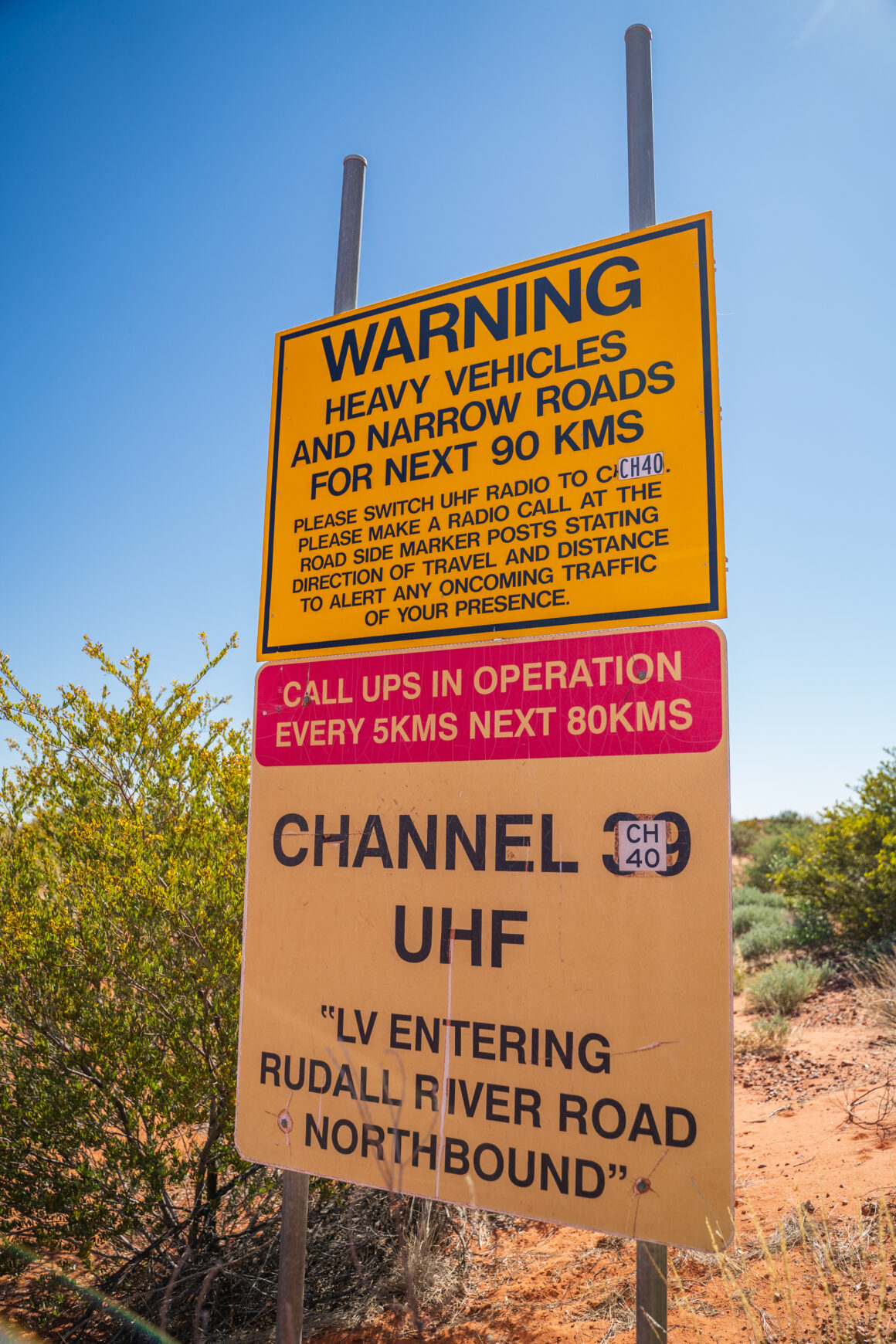
There is a reason we have eighty channels. Channel 40 is for road safety and truckie comms, not for discussing what Mavis had for breakfast or the specific feline habits of your house cat. If you’re in a convoy, pick a secondary channel and stay there. Keeping the main lines clear for actual hazards or heavy vehicles trying to overtake is not just polite, it’s a safety essential.
Clipping your own wings
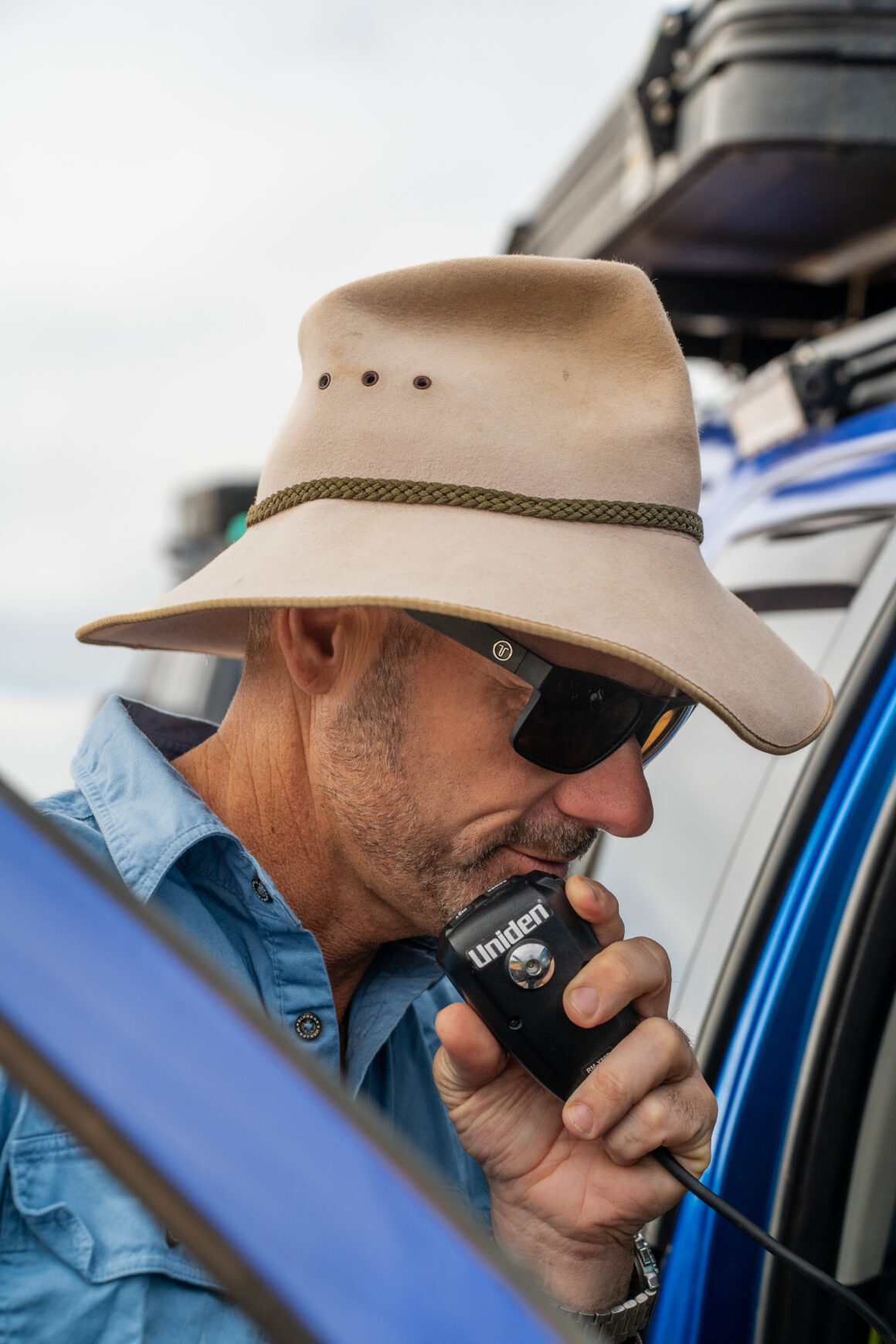
The amount of people who start talking before they actually press the button is staggering. You end up with half a sentence that makes zero sense, usually followed by the listener asking for a repeat five times. It’s a simple sequence: press, pause for a split second, then speak. The same goes for the tail end. Don’t let go of the trigger until you’ve finished your thought, or you are just white noise.
Eating the microphone
We get it, the wind is howling or the diesel is clattering, but shoving the mic into your mouth doesn’t make you clearer. It actually makes you sound like a muffled mess of distorted bass and heavy breathing. The trick is to speak across the mic rather than directly into it. Hold it a few centimetres from your face at a 90 degree angle to your mouth and talk at a natural volume. If they can’t hear you then, check your antenna.
The “Over and Out” movie trope
Life is not a 1970s trucking flick. Using “over” at the end of every single line in a casual chat is unnecessary and, frankly, kinda weird. Even worse is the classic “over and out” combo. In radio terms, “over” means you expect a reply, while “out” means the conversation is finished. Using both together is a logical vacuum. Just talk like a normal human being and people will figure out when it is their turn.
Repeating the obvious
In a convoy, brevity is your best friend. We don’t need a three-minute dissertation on why there is a pothole ahead. “Pothole, left side” does the job perfectly. When the cabin is noisy and you’re concentrating on the track, extra fluff just creates confusion. Give the relevant info, keep it punchy, and get off the air so someone else can signal a real hazard if they need to.
Channel 31 to 38 interference
This one is a bit more technical but just as frustrating. These channels are the input side for repeaters. If you are chatting away on 35, you might be unknowingly broadcasting your private conversation across a 100km radius via a local repeater. Check your display for the “DUP” or “RPT” icons and make sure you aren’t stepping on a wide-area network meant for emergencies or long-distance comms.
Constant chitter chatter
We have all been stuck behind the person who just cannot handle silence. They narrate every tree, every cloud, and every minor gear change through their UHF. It prevents anyone else from getting a word in, which is a massive drama if there is an actual problem, like a failing trailer hub or an oncoming road train. Learn to love the quiet and only key up when you actually have something worth saying.
Foul language on public airwaves
You might be in the middle of nowhere, but that doesn’t mean you’re the only one listening. Families with kids use the UHF, and plenty of people don’t appreciate the kind of language you’d see on the back of a dunny door coming through the speakers while they’re trying to enjoy the scenery. Keep the colourful metaphors for when you’re standing around the campfire, not when you’re broadcasting to every vehicle within five k’s.
The “Rubber Ducky” cringe
Unless you are actually an American trucker from 1976, there is no reason to be saying “10-4” or calling people “Rubber Ducky.” It’s an import that never really sat right in the Aussie scrub. We have our own way of talking, and trying to sound like a character from a movie just makes you sound like a bit of a pelican. Be yourself, keep it practical, and remember that the UHF is a tool, not a stage for your acting career.





2 comments
one of my pet hates is a couple of vehicles travelling together as they approach another town and discussing where they willpark and what coffe shop they will go to (or other arrangements) all on channel 40. If you want to fart arse around go to another channel
I
Channel 40 is not a truckies channel as they like to keep telling us its for any one on the highway and yes you should change to another channel once connected. The legislation states its a higway channel not set aside for trucks.