
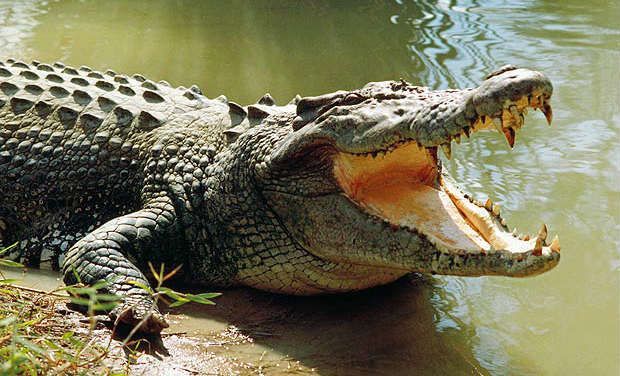
We’ve all seen the headlines recently. A young bloke up north of Broome, just minding his own business in a swag, ended up in a tussle with a large salty near Hidden Creek. He’s lucky to be with us, having been flown to Perth with some nasty puncture wounds. It’s the second time in five months someone’s been grabbed in the region, and with rangers reporting a massive uptick in activity, we need to have a serious chat about how we’re camping.
The Kimberley is world-class touring country, no doubt about it. But as the population of saltwater crocodiles continues to swell, the old rules of “she’ll be right” just don’t cut it anymore. These things are apex predators for a reason, they’re patient, they’re fast, and they don’t distinguish between a roo and a camper. If we’re going to keep enjoying these pristine coastal spots we’ve got to start being a lot smarter about where we roll out the swag.

WATCH WHERE YOU WINK
The most sobering part of this recent attack is that the victim was asleep when it happened. Now, we love a beach camp as much as anyone, but sleeping on the sand in croc country is essentially offering yourself up as a buffet. If you’re within 50 metres of the water’s edge or a tidal creek, you’re in the strike zone. Salties are known to scout the shoreline at night, looking for anything that looks like an easy meal.
We’ve got to rethink the setup. If you’re heading into the Dampier Peninsula, a roof-top tent or a hard-floor camper is a much better bet than a swag on the ground. If the swag is your only option, you need to be well back from the high-tide mark and ideally behind a bit of a natural barrier. Never, and we mean never, camp near a spot where locals or fishos have been cleaning their catch. You might as well ring a dinner bell.
THE GOLDEN RULES OF WATERFRONT LIVING
It’s easy to get complacent when the water looks like glass and the sun is setting, but that’s exactly when these lizards are most active. We need to prioritise staying away from the water’s edge during the “changeover” periods, dawn and dusk. This is prime hunting time. Even if the water looks shallow or clear, a four-metre salty can hide in less than a foot of water without leaving a ripple.
When you’re filling up your buckets or getting water for the camp shower, don’t go to the same spot every day. Crocs are incredibly observant; they’ll watch your routine and wait for you to turn up at the same time and place. Stay back from the bank, use a bucket on a rope if you have to, and always keep a lookout. It sounds like a bit of a stir, but it beats a trip in the Flying Doctor’s PC-12.
FISH FOR KEEPS, NOT ATTENTION
Most of us head up to the Kimberley to wet a line, but fishing is one of the highest-risk activities you can do. Standing knee-deep in the surf while casting is a massive no-go. We’ve seen blokes doing it at One Arm Point and Coulomb Point, and frankly, it’s madness. You’re essentially acting as bait for anything cruising the shoreline. If you hook a fish, get it in quick and get away from the water’s edge.
Dispose of your fish offal properly too. Don’t just chuck it in the shallows right where you’re camping or fishing. Take it well away from camp or bury it deep above the high-tide line. We’ve got to stop training these animals to associate humans with an easy feed. If a croc starts hanging around your boat or your camp, it’s time to pack up and move on. They aren’t pets, and they won’t play nice if they think you’re in their territory.
BEING CROC-WISE ISN’T OPTIONAL
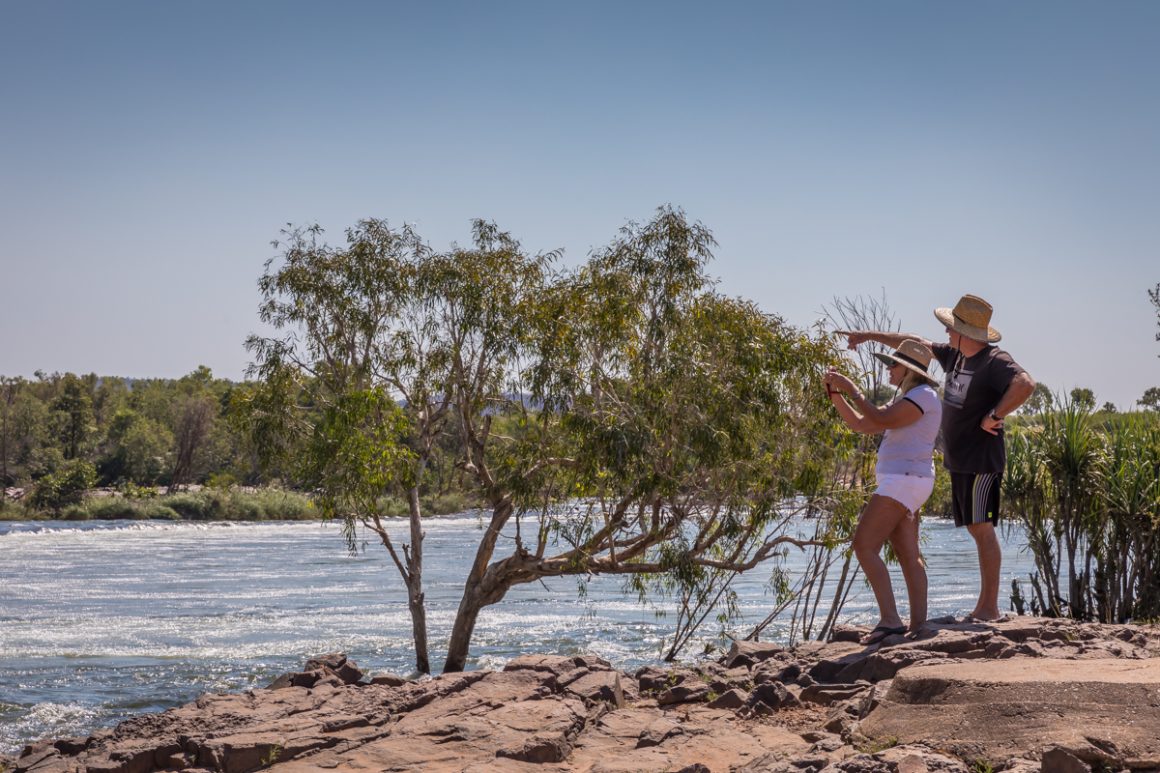
At the end of the day, we’re guests in their backyard. The Kimberley belongs to the salties, and they’ve been there a lot longer than we have. We don’t want to see more beaches closed or more animals culled because we were too lazy to set up camp properly. It’s about respect. Respect for the animal, and respect for the environment we’re lucky enough to travel through.
Stay alert, keep your camp tidy, and keep your distance. The WA Department of Biodiversity, Conservation and Attractions isn’t joking when they put those signs up. If you see a croc, report it to the local rangers so they can keep track of the “problem” ones. Let’s keep the touring season memorable for the right reasons, not for a stint in the Royal Perth Hospital trauma ward. Safe travels out there, and keep your eyes peeled.