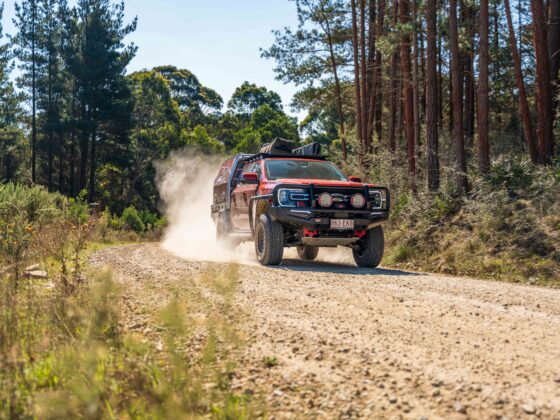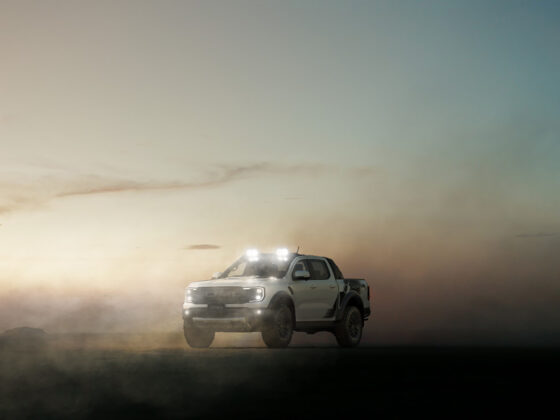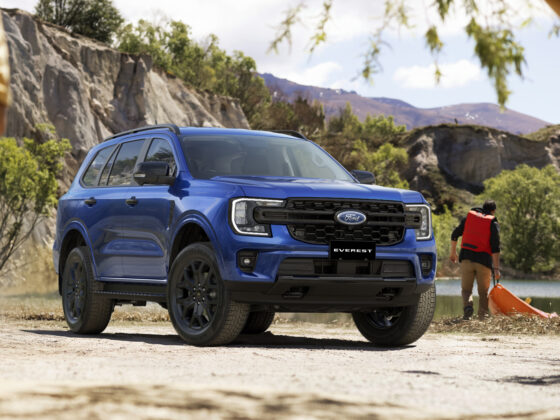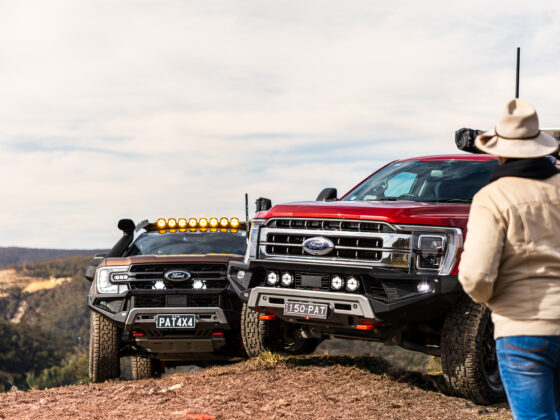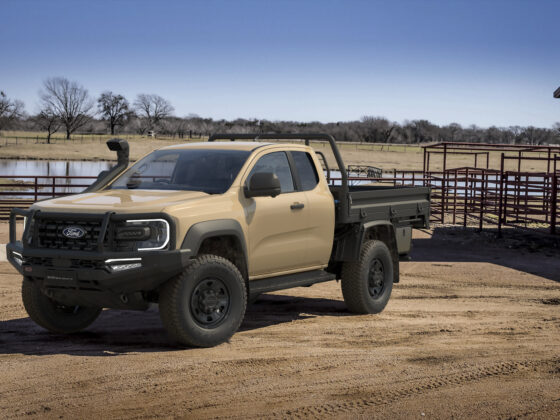




Ford reckons the Ranger Super Duty exists because people were sick of choosing between too small and too big. For years, if you needed real payload, serious towing, or proper durability in remote Australia, you either lived with the size and bulk of an American truck, or you accepted that a mid-size ute was going to be the weak link in the chain.
Ranger Super Duty is Ford having a crack at that middle ground properly. Not a badge pack. Not a tougher-looking variant. A ground-up rethink of what a medium ute should be when it’s built for forestry crews, emergency services, station work, and people who actually load their utes for serious work.
The “Super Duty” name isn’t something Ford throws around lightly, and whether you buy into the marketing or not, the intent here is clear: this is meant to be the hardest-working ute ever built, not the flashiest.
Built Because People in the Bush Asked for It
What’s interesting is where this thing started. Not a design studio or a marketing brief, but conversations with people who break vehicles for a living. Fire crews, land managers, fleet operators, farmers. The consistent complaint was simple: the vehicles that could carry and tow were too big for the tracks, and the ones that fit the tracks couldn’t handle the workload.
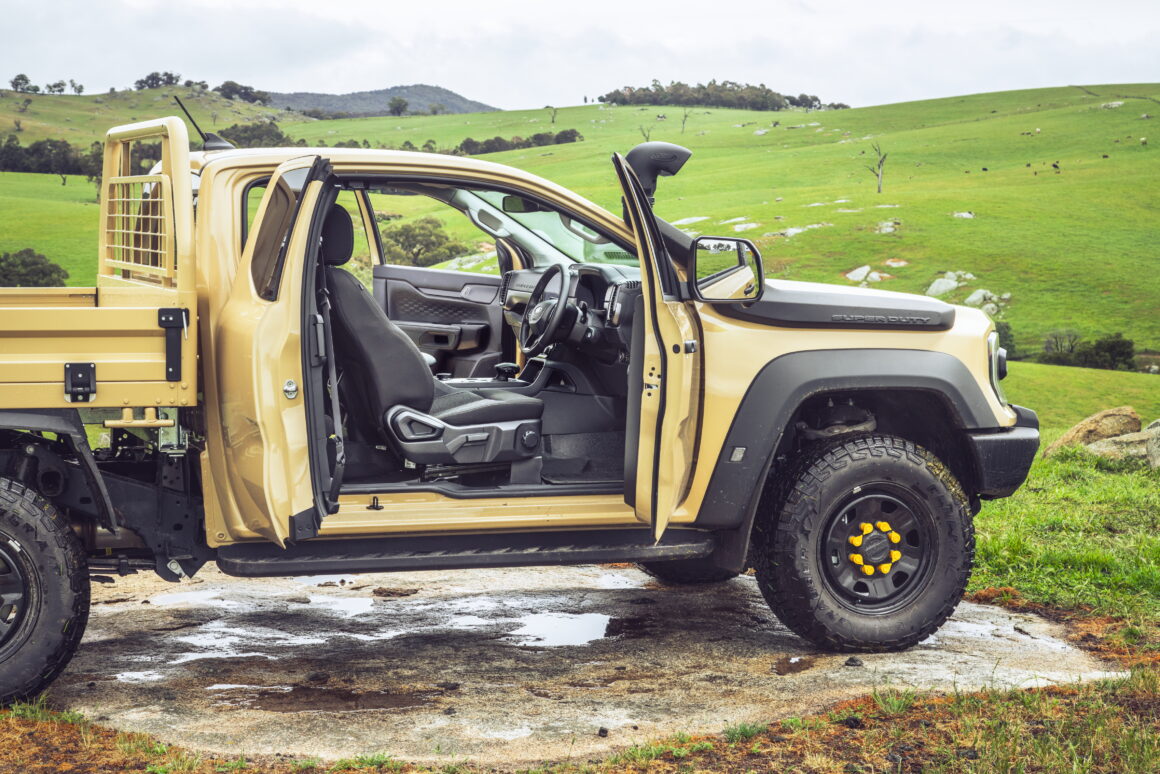
So Ford took the current Ranger platform, which is already a solid base, and went after the weak points. Stronger frame. Bigger diffs. Heavier driveline components. Eight-stud hubs. High-mounted breathers. Cooling upgrades. Something that could survive being loaded, dragged, and abused day after day without crying enough.
And importantly, it launches as cab chassis first. That tells you exactly who this ute is aimed at. The style-side coming later is fine, but this thing has been designed with trays, service bodies, campers and fire units firmly in mind.
Drivetrain and Off-Road Tech That Actually Matters
Under the bonnet is the familiar 3.0L V6 turbo diesel, but it’s been recalibrated to live under sustained load and meet EU6.2 emissions. More importantly, it’s backed by a driveline that’s been genuinely upgraded, not just reused.
You get full-time 4A, a strengthened two-speed transfer case with an upgraded low-range gearset, and front and rear lockers as standard across the range. The front diff is a beefed-up Bronco Raptor unit, which says a lot about how seriously Ford has taken load capacity and durability.
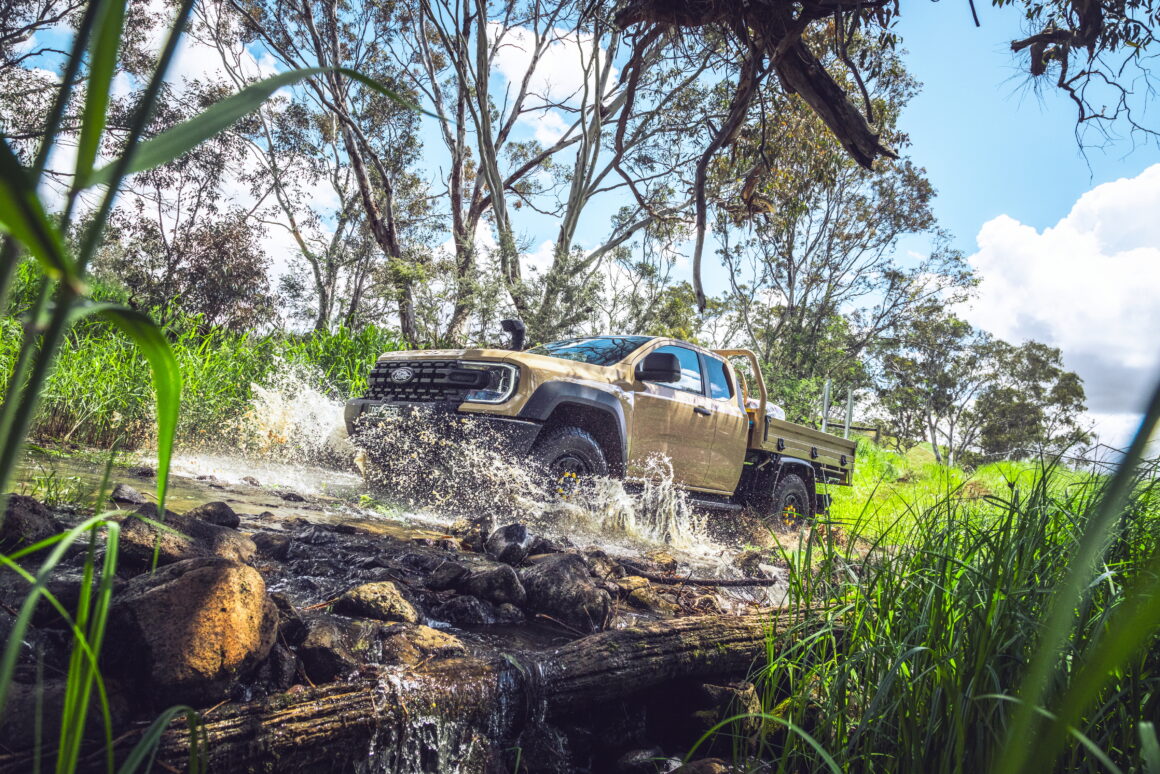
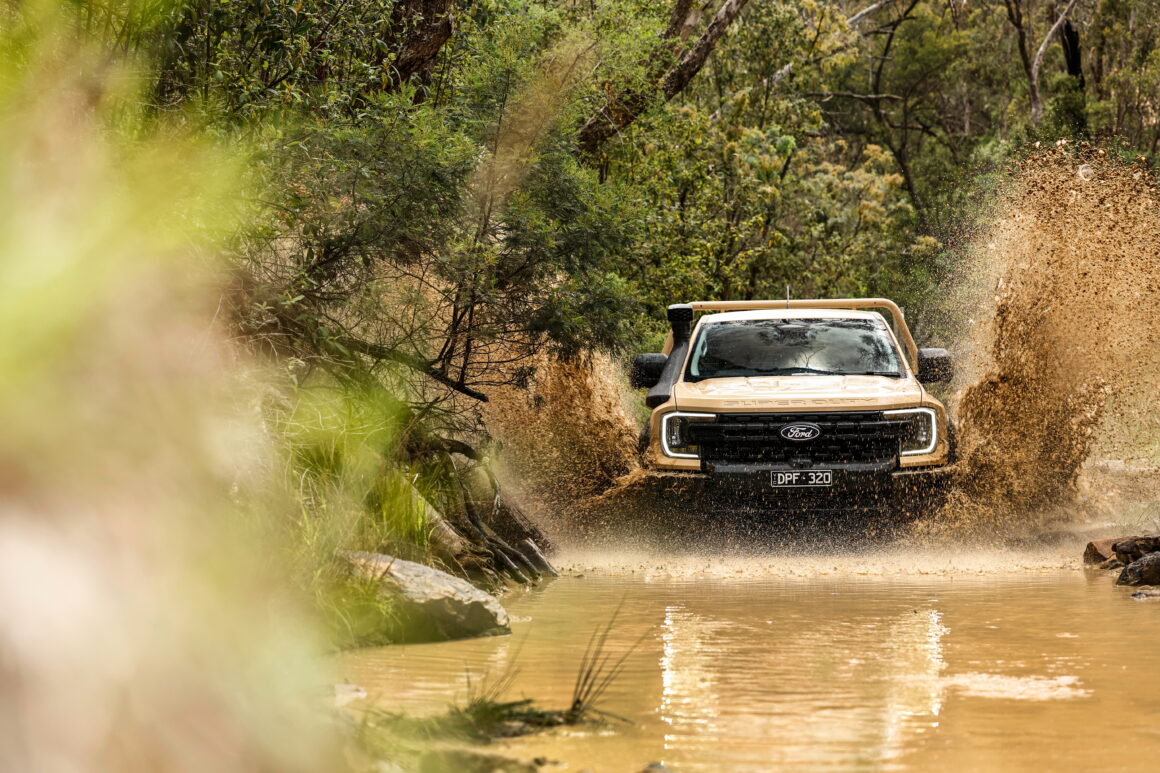
The seven drive modes aren’t just marketing fluff either. Tow/Haul, Mud/Ruts, Sand and Rock Crawl all tweak throttle, traction and stability control in ways that matter when you’re loaded or towing in rough terrain. Add in 850mm water wading, high-mounted breathers, and the ability to delay DPF regeneration, and this thing starts to look very well thought-out for remote work.
It’s also quietly one of the most tech-heavy cab chassis setups we’ve seen. 360-degree cameras, blind-spot monitoring with trailer coverage, reverse brake assist. Stuff that simply hasn’t existed on work-spec utes before, but makes a massive difference when you’re backing a heavy trailer into a tight bush camp or job site.
Tested Like a Truck, Not a Lifestyle Accessory
Ford didn’t baby this thing during development either. Mud-pack testing with over 600kg of mud stuck to it, autonomous 24/7 punishment runs on Silver Creek, corrosion baths, towing dynos, and repeated river crossings. The Crooked River alone got crossed 27 times to validate the 850mm wading depth.
The standout for us is the light-attack fire truck prototype. Loaded close to 4.5 tonnes and driven on tracks existing fleet vehicles couldn’t reach. That’s proper validation, not just Instagram content. Same deal with the cattle station testing, hauling fencing materials and towing heavy rollers all day, every day. That’s where weaknesses show up fast.
This feels like Ford applying full-size truck thinking to a medium platform, rather than trying to dress a lifestyle ute up as something it isn’t.
The Big Picture
Ranger Super Duty won’t be for everyone, and that’s the point. It’s not meant to replace your dual-cab family rig or your mall-crawler. It’s aimed squarely at people who actually need more than a standard mid-size ute can offer, but don’t want or can’t use a full-size American pickup.
This could end up being one of the most important utes we’ve seen in years. Not because it’s flashy, but because it finally acknowledges that a huge chunk of Australia needs a 4X4 that sits between “ute” and “truck”, without compromise.