




If you’re building a dual cab for touring, this is the crossroads. Forget tyres and lift kits for a minute, what you do with the back of the ute will shape how you travel more than anything else. A tub rack keeps things simple and versatile. A canopy turns your rig into a purpose-built touring machine. Both look good on Instagram. Both have die-hard fans. And both have compromises that only show themselves once you’re a few thousand kilometres from home.
We’ve lived with both setups properly. Not just for a weekend down the coast, but across corrugations that rattle your dash loose and through bulldust so fine it feels like smoke. The truth is there’s no universal winner here. It comes down to how often you tour, how long you’re away for, and whether your ute still has to function like, well… a ute.
So let’s talk about what each setup is actually like to live with.
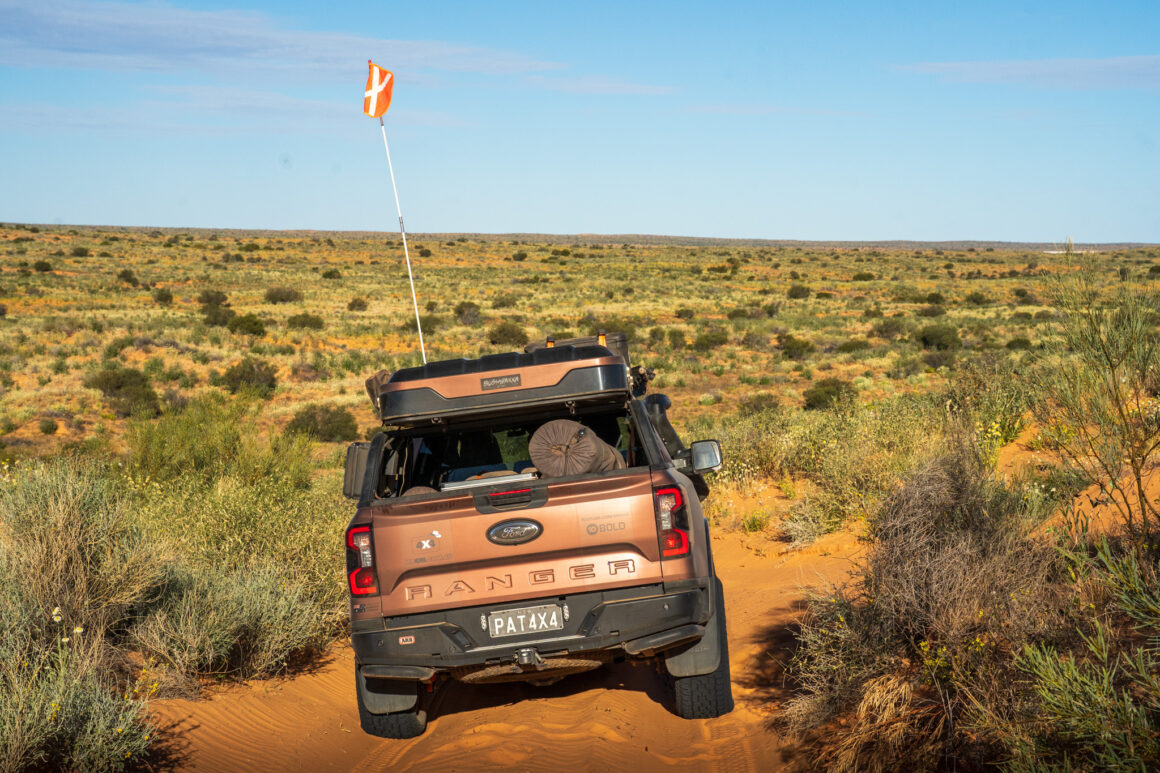
The Tub Rack: Versatility With a Side of Compromise
There’s something undeniably right about the look of a tub rack. It keeps the ute silhouette intact, gives you a solid platform for a rooftop tent, and doesn’t immediately scream “dedicated expedition vehicle.” For plenty of people, that balance is exactly what they’re chasing.
The big advantage is flexibility. You still have an open tub, which means throwing a dirt bike in the back is no drama. Tall loads from the hardware store? Easy. A last-minute firewood run? No stress. It’s a setup that lets your vehicle stay multi-purpose, and that matters if you’re not touring every second weekend.
They’re generally lighter than a full canopy too, which gives you breathing room in your payload. That extra capacity can be the difference between carrying more water for a desert crossing or sitting nervously close to your GVM.
But here’s where the honeymoon ends.
Dust sealing an open tub is a losing battle. You can foam-tape the tailgate, adjust latches, add seals, there’s still a giant hole in the top. After a week on outback tracks, everything ends up wearing a red film. Your recovery gear, your fridge slides, your bedding. And that’s assuming it doesn’t rain while you’re off on that adventure of a lifetime.
Security is another weak point. When you park up in town for supplies, your gear is visible and accessible. Even if it’s strapped down, it’s exposed. And day to day, reaching over high tub sides to access heavy gear becomes old quickly. It’s fine for short trips. On extended ones, it becomes something you start resenting.
For a part-time tourer who still needs a proper ute during the week, it makes a lot of sense. For long-haul travel, the cracks start to show.
The Canopy: Comfort, Organisation, and Commitment
Bolt on a quality canopy and your ute’s personality changes overnight. Suddenly, you’re operating out of a sealed, organised, weatherproof space. And for serious touring, that changes everything.
Dust and water protection is the biggest win. When you’ve invested in lithium systems, upright fridges, recovery gear or just decent bedding, knowing it’s protected from the elements makes a huge difference to how relaxed you feel on the road. A properly sealed canopy keeps your gear clean and dry, even when the tracks are brutal.
Security steps up too. Lockable aluminium doors, hidden storage, internal compartments, it all means you can duck into a servo or bakery without that nagging thought in the back of your mind.
Where canopies really shine is organisation. You can mount electrical systems properly, run dedicated drawer setups, fit upright fridges at waist height, and build out a layout that makes camp setup quick and predictable. You stop unpacking tubs and start operating out of a system. When you’re doing multi-week trips, that efficiency is gold.
But there’s no pretending there isn’t a trade-off.
Once a permanent canopy is bolted down, your ute becomes a touring vehicle first and everything else second. Loading tall items becomes difficult. Carrying a motorbike? Forget it. Even simple hardware runs can require thought and rearranging gear.
Weight is also very real. A canopy, fitout, batteries, water tanks and a rooftop tent add up quickly. If you’re not actively tracking your payload and axle loads, you can wander into unsafe territory without realising it. The comfort and convenience are excellent, but they come with responsibility.
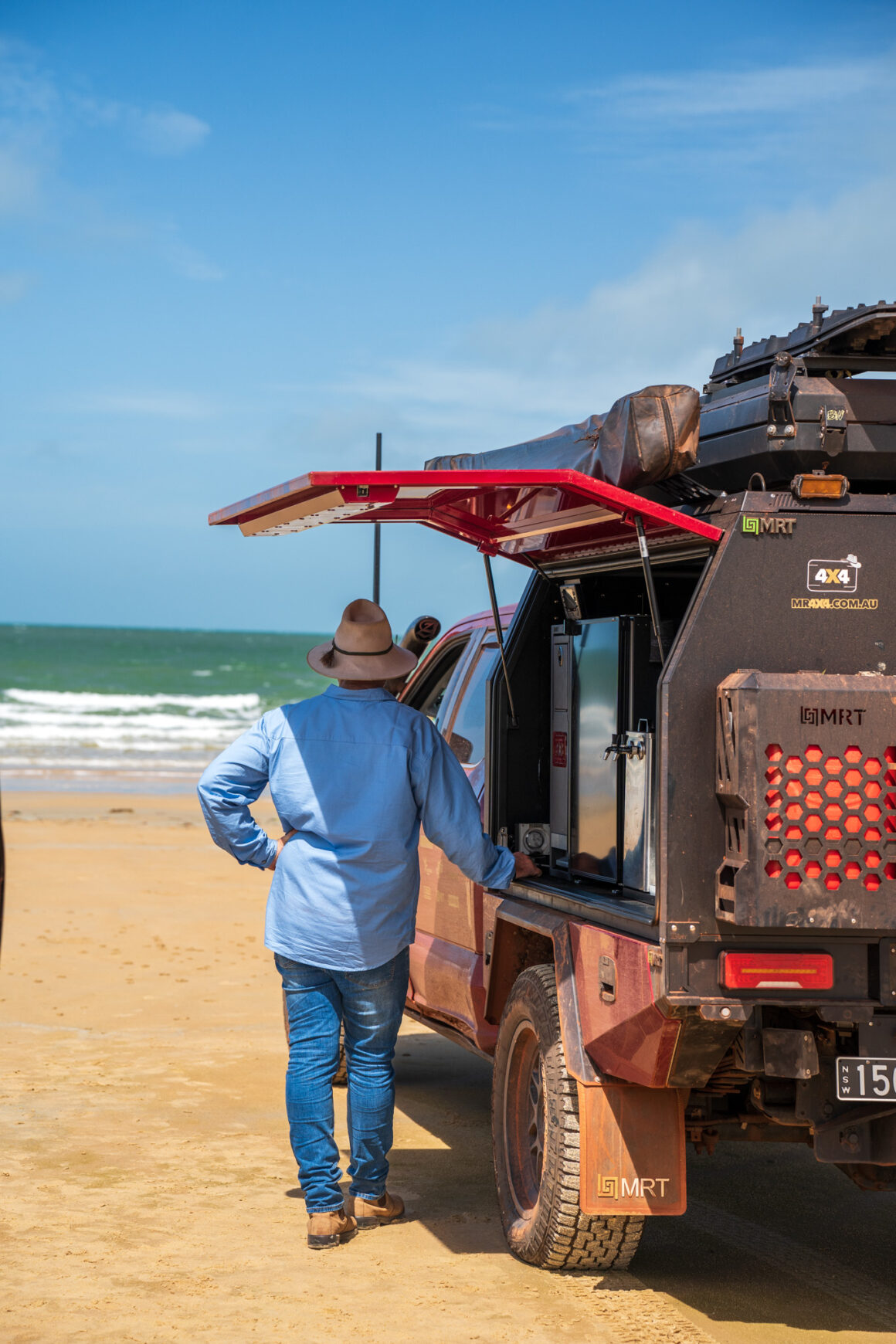
Our Experience With the F-150
We went through this exact process with our Ford F-150 build. Initially, we ran a tub rack over the factory tub. It looked tough and kept that classic ute vibe, which suited the rig perfectly. For shorter trips and mixed-use driving, it did the job well enough.
But as our trips got longer and more remote, the small frustrations started stacking up. Dust control became an ongoing chore. Expensive camera gear needed to be in space cases. Accessing equipment felt clumsy compared to what we knew was possible.
Eventually, we made the call to remove the tub entirely and go with a chassis-mounted canopy. The transformation was dramatic. A flush floor layout, proper dust sealing, integrated electrical systems, and somewhere to actually cook up a meal made extended touring smoother and more enjoyable. Everything has a place. Setup and pack-down are quicker. Living out of the vehicle feels intentional rather than improvised.
That said, it’s no longer a casual all-rounder. The back of the F-150 is now a dedicated camping system. There’s no throwing a fridge in there to help a mate move. It’s a commitment, but one that suits how we’re using it now.
Build for Your Reality, Not the Highlight Reel
The biggest mistake people make is building for keeping up with the Jones’ rather than for their everyday life. If your ute spends most of its time commuting, working, or hauling gear with the occasional weekend camping trip thrown in, a tub rack keeps things flexible and sensible.
If you’re regularly heading deep into remote country, living out of the vehicle and relying on your setup to function smoothly every day, a canopy becomes far more appealing.
There isn’t a universal winner here. There’s only what aligns with how you actually use your vehicle. Be honest about your lifestyle, understand your weight limits properly, and think about what will annoy you most after ten days on corrugations.
Because when the novelty wears off and the dust settles, the right setup is the one that makes life easier, not just the one that looks best in a photo.