



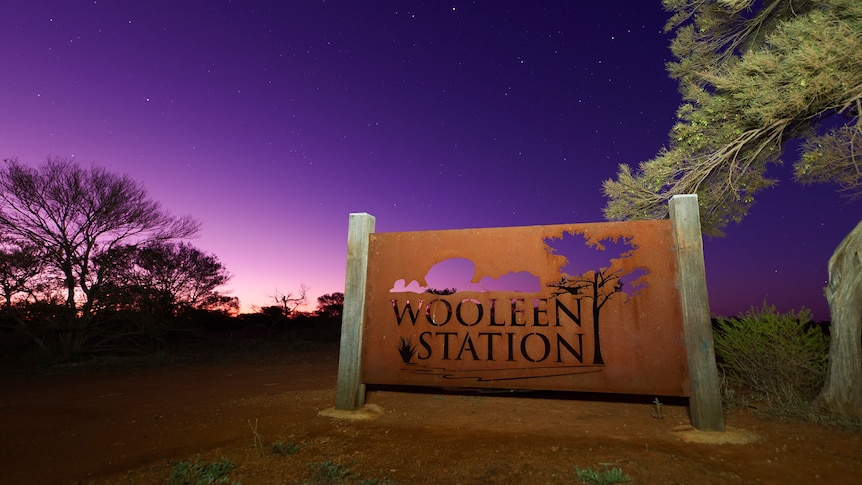
One of WA’s most talked-about outback stations is officially heading into a new chapter. Wooleen Station, a 134,000-hectare pastoral lease roughly 700km north of Perth in the Murchison, has been listed for sale after nearly 20 years under the management of David and Frances Pollock. For plenty of 4X4ers, Wooleen has been more than just a place to pull up a swag. It’s been a case study in what happens when a working station shifts its focus from maximum production to long-term landscape repair.
And whether you agreed with their approach or not, it’s hard to argue they didn’t make people think.
From Sheep And Cattle To Regeneration
Wooleen was purchased by David Pollock’s parents back in 1989 as a sheep operation, later transitioning to cattle like many stations across the Murchison. In 2007, when it came time for the next generation to take over, there were competing visions for the property’s future. David’s path won out. Instead of continuing to chase traditional stocking models, the station pivoted towards large-scale landscape rehabilitation.
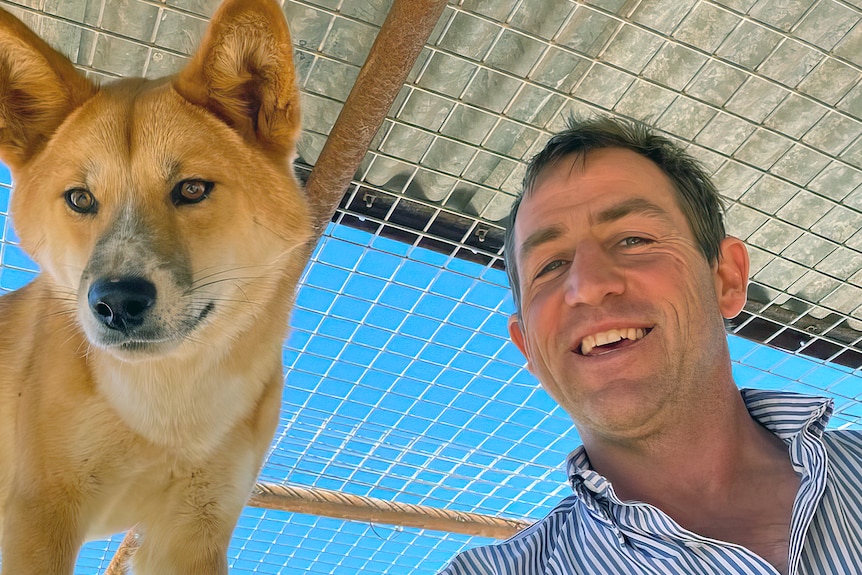
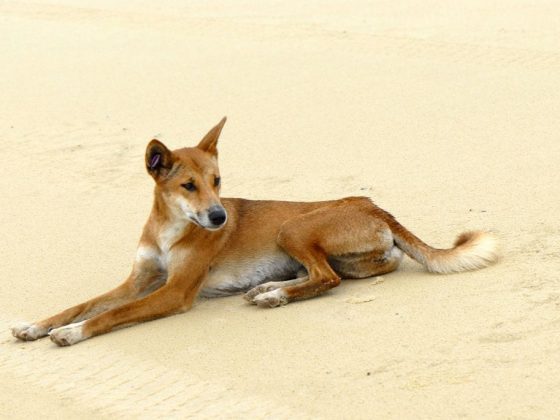
That meant significant de-stocking. It meant accepting lower short-term production. And in more recent years, it meant welcoming dingoes back into the system as a way of managing grazing pressure from kangaroos and feral animals. If you’ve spent any time around pastoral country, you’ll know just how controversial that last point is.
The Dingo Debate Hits The Outback
For many neighbouring graziers, dingoes are something you bait, trap and shoot. They’re seen as a direct threat to livestock and livelihoods. At Wooleen, they were reframed as part of the ecological solution. At one point, a pair of semi-tame dingoes even became part of the visitor experience, a drawcard that brought curious travellers through the gates to see this different approach to outback land management in action.
For 4X4ers, though, Wooleen became a rare opportunity to camp and explore on a station actively trying to reverse decades of overgrazing. Visitors could literally see the changes in vegetation, ground cover and erosion control across different paddocks. It wasn’t just accommodation. It was a conversation.
What This Means For Outback Travellers
From a touring perspective, stations like Wooleen fill a unique gap. They’re not national parks, or caravan parks. They’re working landscapes with a story. You get space, remoteness and that classic Murchison horizon, but you’re also interacting with people who live and breathe the country every day.
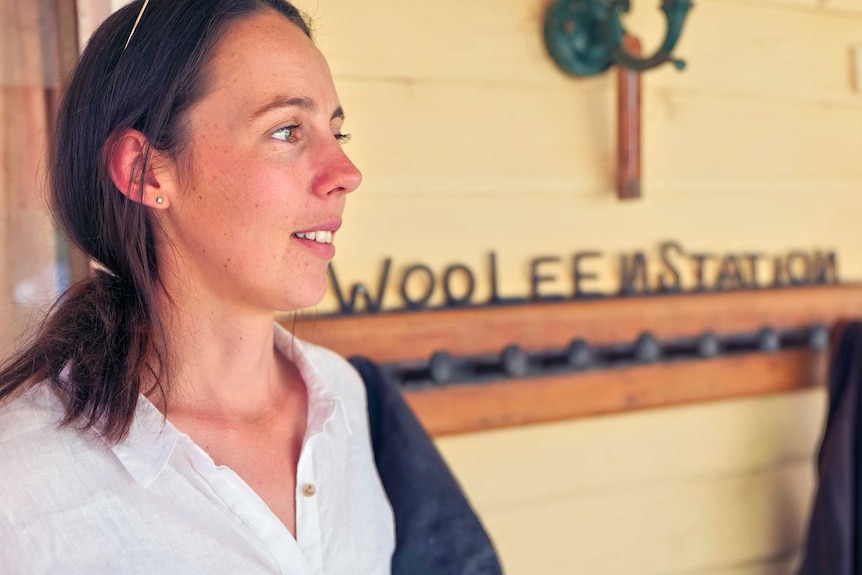
The Pollocks have said they want the next chapter of Wooleen to sit with someone who understands and cherishes the place. That’s the key line in all of this. Because the reality is, properties of this size don’t come up for sale often, and when they do, the future direction can shift quickly. It could remain conservation-focused. Or swing back towards heavier production. It could even double down on tourism. Or it could end up in corporate hands with a completely different model.
For 4X4ers planning WA loops through the Midwest, Kalbarri and inland Murchison tracks, it’s worth keeping an eye on what happens next. Stations that offer access today don’t always offer it tomorrow. We’ve seen it before across Australia, properties close their gates, change booking systems, reduce access or pivot away from tourism entirely once ownership changes.


1 comment
The handling of Wooleen over the last 20 years is inspiring.
I just hope the right people purchase the property and keep it going in the same direction.
Maybe a Twiggy project???