

If you’ve pulled up to a bowser lately and felt like you’re being mugged in slow motion, you’re not alone. Prices have been climbing hard, availability’s been patchy, and now, just to top it off, we’re being told the fuel itself is about to get “worse.” Sounds like a stitch-up, right?
Well… not quite. There’s a bit more going on under the surface, and for anyone who spends time touring, towing, or relying on diesel in remote areas, it’s actually worth understanding what’s changed, and what it means for you.
The Fuel Crunch Is Real, And It’s Already Biting
Across the country, fuel shortages aren’t just a headline, they’re happening in real time. Hundreds of service stations have already run out of at least one type of fuel, with some completely dry on diesel in certain areas.
That’s a genuine problem for touring Australia.
Because once you get outside the metro bubble, fuel is everything. It’s how farmers move gear, how freight keeps shelves stocked, and how we get out bush in the first place. What’s making it worse is the global situation. Supply chains are tight, shipments have been cancelled, and demand has spiked as prices climb and people start hedging their bets.
We’re already seeing quiet rationing too, limits on how much you can fill, or outright bans on jerry cans in some areas. That’s the sort of thing that doesn’t make big headlines, but it’s exactly the stuff that changes how you plan a trip.
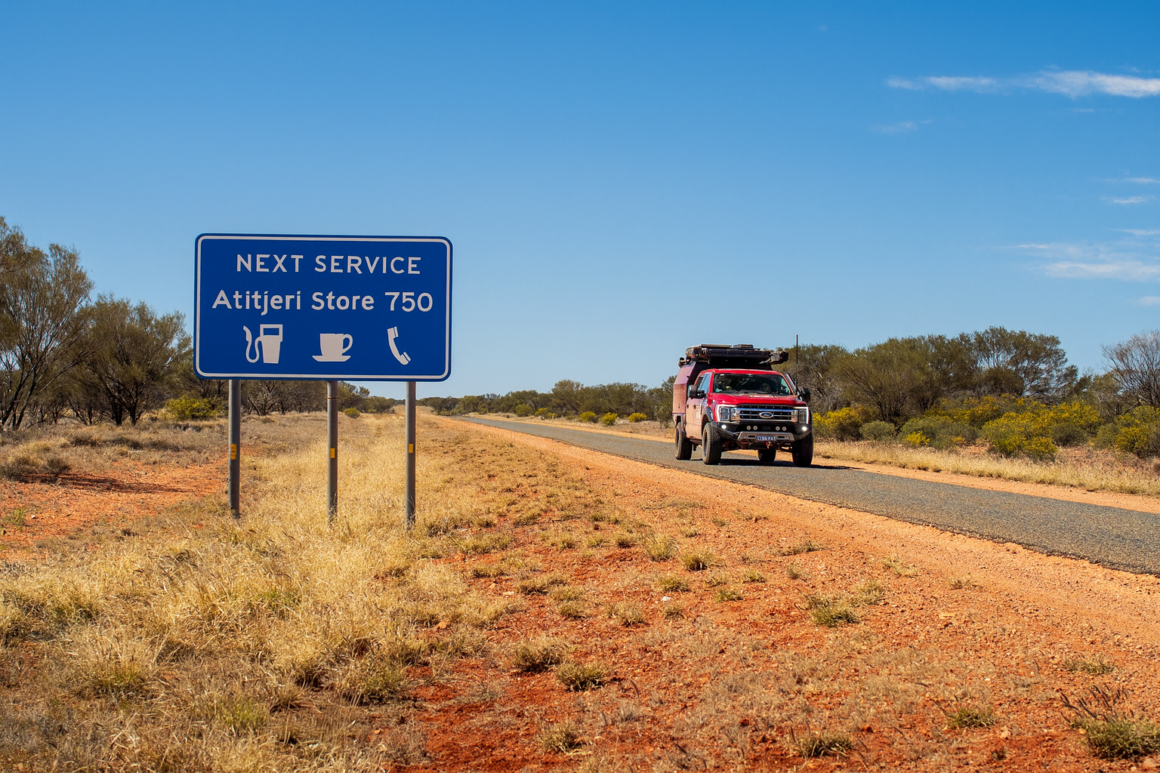
So Why Are Fuel Standards Being Lowered?
Here’s the big one. To ease the pressure, the government has temporarily lowered Australia’s diesel standard for the next six months. Now before everyone loses their minds thinking we’re about to be running dodgy third-world fuel, it’s worth putting this into context.
The actual change is tiny. It’s a tweak to something called the flashpoint, basically how volatile the fuel is. It’s being lowered slightly to allow Australia to access a wider range of international diesel supplies.
And here’s the key bit: this isn’t some wild downgrade into unknown territory. It’s effectively taking us back to standards that were normal not that long ago.
Australia has traditionally run slightly stricter diesel specs than places like the US and Europe, largely because of our hotter climate. This change just opens the door to more supply options without requiring refiners to hit that slightly higher local benchmark.
In simple terms: more fuel can come in, faster. And right now, that matters more than anything.
Will It Affect Your Engine? Short Answer: No
There’s been a bit of noise around whether this lower standard fuel is going to cause issues with modern engines, especially common rail diesels in newer 4X4s. The official line is that it won’t have any impact on engines or emissions.
Modern diesel engines are already designed to handle a range of fuel qualities globally. If you’ve ever travelled overseas or run fuel from remote roadhouses, you’ve already used fuel that varies far more than this change.
If anything, this move is about keeping supply consistent so you’re not stuck in the middle of nowhere with no fuel at all, which is a much bigger risk than a marginal spec change.
The Real Sting: You’re Still Paying Through The Nose
Here’s the part that really gets under your skin. Even with all this chaos, shortages, lower standards, supply issues, you’re still paying a hefty chunk of tax on every litre. Right now, fuel excise in Australia sits at 48.8 cents per litre. That’s before GST gets layered on top.
So when you’re paying north of $3 a litre, a decent slice of that is going straight to the government, regardless of whether supply is tight or quality is being adjusted.
And despite calls to ease the pressure, there’s been no move to cut that excise during this crunch. That’s the bit that’s hard to swallow for a lot of people, especially those relying on fuel as a necessity, not a luxury.
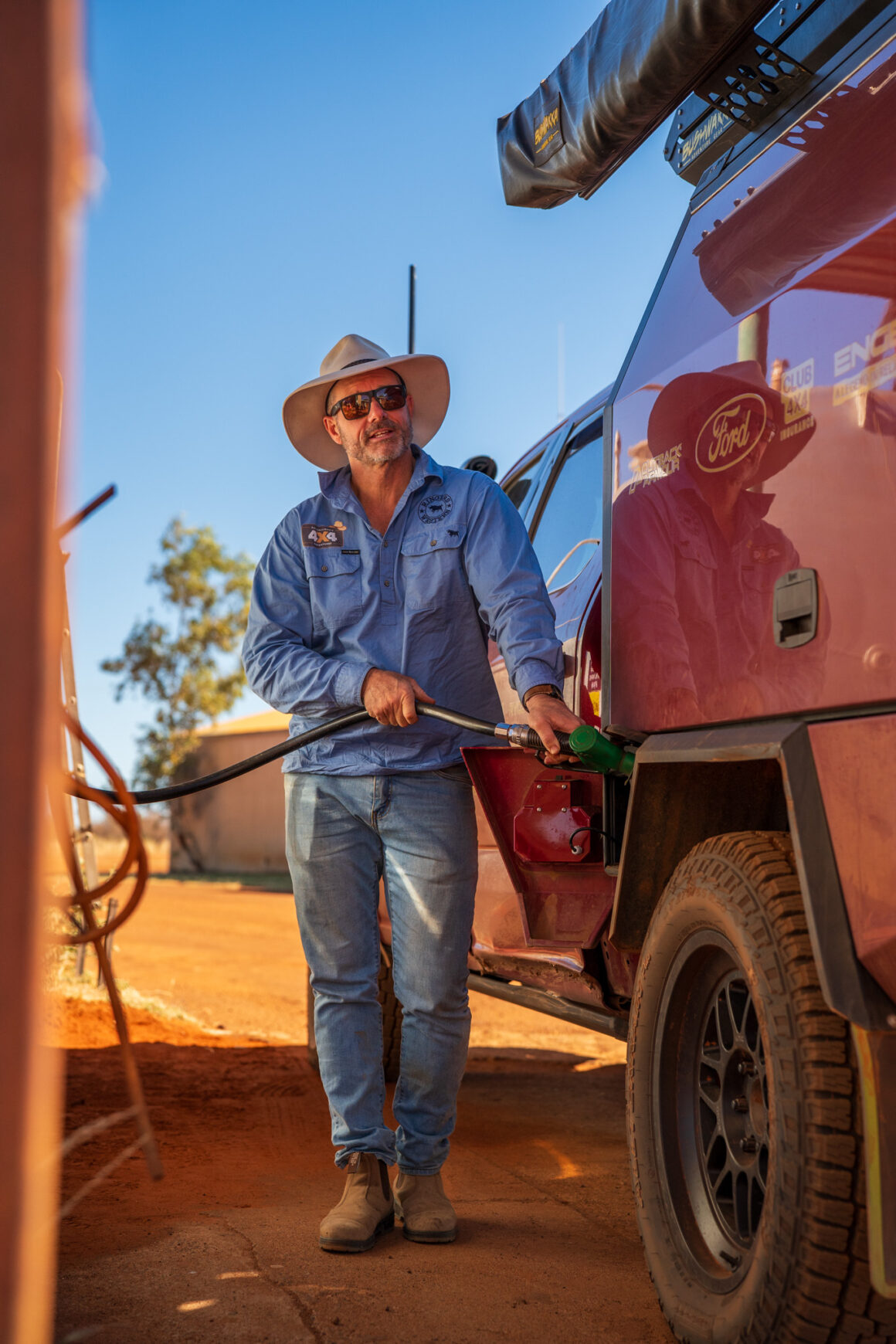
What This Means For Touring Right Now
If you’re planning a trip in the next few months, this is where things get real. The biggest risk isn’t the quality of fuel, it’s availability. You need to start thinking like it’s 15 years ago again:
- Plan fuel stops properly
- Don’t assume every servo will have diesel
- Carry extra fuel where it makes sense
- Be flexible with your route
Because we’re already seeing towns run dry, and that can change quickly depending on deliveries, weather, and demand.
The upside? This standards change should help stabilise supply over the coming months.
The downside? It’s a reminder of just how fragile Australia’s fuel network actually is, especially once you get off the highway and into proper touring country.
The Bigger Picture
This whole situation is a bit of a wake-up call. We’ve spent years tightening standards, relying heavily on imports, and running a just-in-time supply chain that works perfectly… until it doesn’t. Now that it’s under pressure, the system is flexing in real time, lowering standards, releasing reserves, and scrambling to keep fuel flowing.
For everyday drivers, it’s frustrating. For 4X4ers and tourers, it’s something you need to take seriously. Because out bush, fuel isn’t just expensive, it’s the difference between getting home or not.


1 comment
I’m Not Going to Touch On, What Everyone Already Knows, Regarding Fuel, My Beef Is The Government Says There`s Plenty Of Fuel?, So Why Are The Fuel Companies Rorting The Prices, At The Users Expense!, (Especially As Its Old Stock) As in, It Was Already Here, Before This Debacle. As For The Shortage, The Government Is Blaming Panic Buying!, Maybe? A Little, People Know Better, We Have Heard All This Political Double Talk Before. And Previous Governments, Have Said We Should, Will Going To Increase Fuel Storage, For This Country, and Future Security, Bureaucracy, Must Be Still Shuffling The Paperwork. Just My 2 Bobs Worth, You All Hava Good Day.