

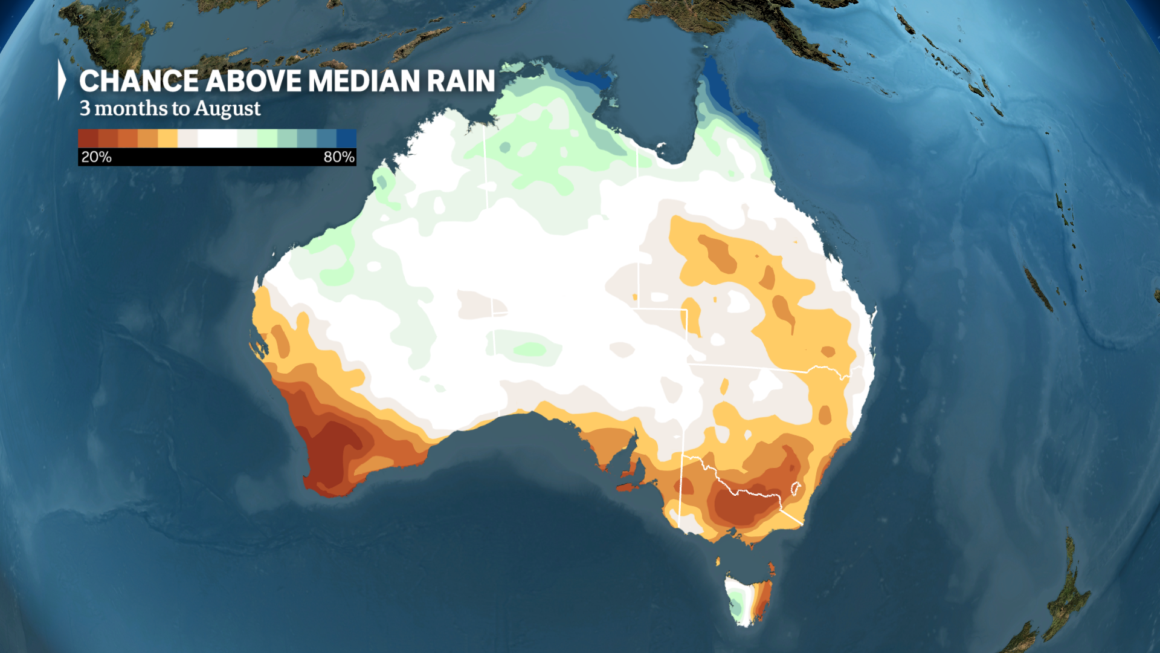
Well, it looks like Mother Nature has decided to roll a six just when we thought the outback was heading for a dusty winter. After a dry April and plenty of talk about El Niño drying out the continent, the Bureau of Meteorology is pointing at a massive north-west cloudband (NWCB) set to stretch across the country this week.
If you have been sitting in the shed prepping the rig for a desert run, you might want to double-check your recovery gear and your tyre pressures. This isn’t just a bit of coastal drizzle; we are looking at a weather system that can turn a dry track into a soapy mess in a matter of hours.
What exactly is a NWCB?
For those of us who aren’t meteorologists, a north-west cloudband is basically a massive conveyor belt of tropical moisture. It starts up near the Kimberley and stretches all the way down to Tasmania. These things are the heavy hitters of our inland weather, responsible for the vast majority of rain that falls away from the coast during the cooler months.
While we have had some tropical lows lately, we haven’t seen a proper, unbroken NWCB yet in 2026. That changes this month. We’re talking about a massive interaction between cold air from the south and warm, humid air from the tropics. When they collide, the sky opens up. For 4X4ers, this means the “dry season” just got a lot more interesting.
Tracks turning to grease
The forecast is calling for 10 to 30mm across a huge chunk of the interior. Now, 20mm might not sound like much when you are sitting in a paved driveway in Sydney, but out past the black stump, that is enough to shut down major arterial tracks. Places like the Strzelecki, the Birdsville, and the Oodnadatta Track can become impassable very quickly when this much water hits the clay.
We always say that outback rain doesn’t just make things wet; it changes the chemistry of the ground. The top layer turns into a thick, cakey sludge that sticks to your tyres and fills the treads until you are basically driving on racing slicks. If you’re caught out, the best move is usually to stay put. Driving on wet outback tracks doesn’t just risk a bogged rig; it tears up the surface for everyone else once it dries.
Kati Thanda-Lake Eyre is filling fast
There is a massive silver lining for those planning a trip toward the centre. This rain is going to dump directly into the catchments that feed Kati Thanda-Lake Eyre. The lake is already seeing its deepest water levels since 1984, and this NWCB is going to push even more volume down the rivers.
If you’ve ever wanted to see the desert blooming and the birdlife returning to the inland sea, this is your year. The contrast of red sand and green growth is something every Aussie needs to see at least once. Just keep in mind that more water in the lake means more water on the roads leading to it. You’ll need to be flexible with your itinerary and keep a close eye on local road closure reports.
Don’t trust the long-range outlook
The funny thing about this system is that it completely defies the long-range “dry” forecast we were all expecting. It goes to show that while El Niño might be looming, the weather doesn’t always play by the rules. We might be in for a drier winter overall, but these individual events can still pack a punch.
It’s a timely reminder to never head into the scrub without a way to get updated weather info. Whether it’s a satellite comms setup or just checking the BOM whenever you hit a patch of 4G, staying ahead of these cloudbands is the difference between a great story and an expensive recovery.
Prepping your rig for the slop
If you’re heading out to the centre, prioritise your mud-terrain or high-quality all-terrain tyres. Make sure your winch is spooling correctly and you have your recovery boards easily accessible, not buried under a month’s worth of camping gear. We also recommend carrying a few extra days of food and water.
Getting stranded for 48 hours while a track dries out isn’t a disaster if you are prepared; it’s just an unscheduled bit of peace and quiet. Pack a good book, keep the kettle handy, and enjoy the show. There is nothing quite like a desert thunderstorm, as long as you aren’t the one stuck in the middle of a salt pan.


