
Driving on the beach is one of the great joys of 4X4 touring. Salt on the wind, open sand ahead, maybe even a sneaky campsite tucked into the dunes. But nothing puts a dampener on that freedom quite like misjudging the tide and watching your vehicle become a shipwreck in real-time.
So, let’s break it down properly. Not just “drive at low tide” – we’re going to talk about how tides work, how often they occur, what affects them, and why understanding them is critical for beach driving, river crossings, and even some inland tracks near the coast.
How Often Do Tides Happen?
You get two high tides and two low tides every 24 hours and 50 minutes, thanks to the gravitational pull of the moon doing its thing. That means the tide is shifting roughly every six hours, give or take.
That’s right, tide times shift by about 50 minutes later each day. So, if low tide is at 6am today, don’t bank on it being the same tomorrow. If you’re planning your beach driving a few days out, you need to check the tide chart – and re-check it before you go.
Not All Highs and Lows Are Equal
Here’s the kicker: not every low tide is as “low” as the last one, and the same goes for high tide. This is because of spring and neap tides.
- Spring tides happen around the new and full moons, when the sun and moon are pulling together. These give you the highest high tides and the lowest lows – great if you’re trying to sneak around a rocky headland or cross a wide estuary. But also more dangerous if you’re caught out.
- Neap tides, on the other hand, occur during the first and third quarters of the moon. The highs aren’t as high, and the lows aren’t as low. Not ideal for dodging waves at the base of a dune, but a bit more forgiving if you’re pushing your luck.
If you’re running tight on clearance or cutting it close on timing, knowing what kind of tide cycle you’re in can make the difference between a clean run and a recovery mission.
Why Timing Matters
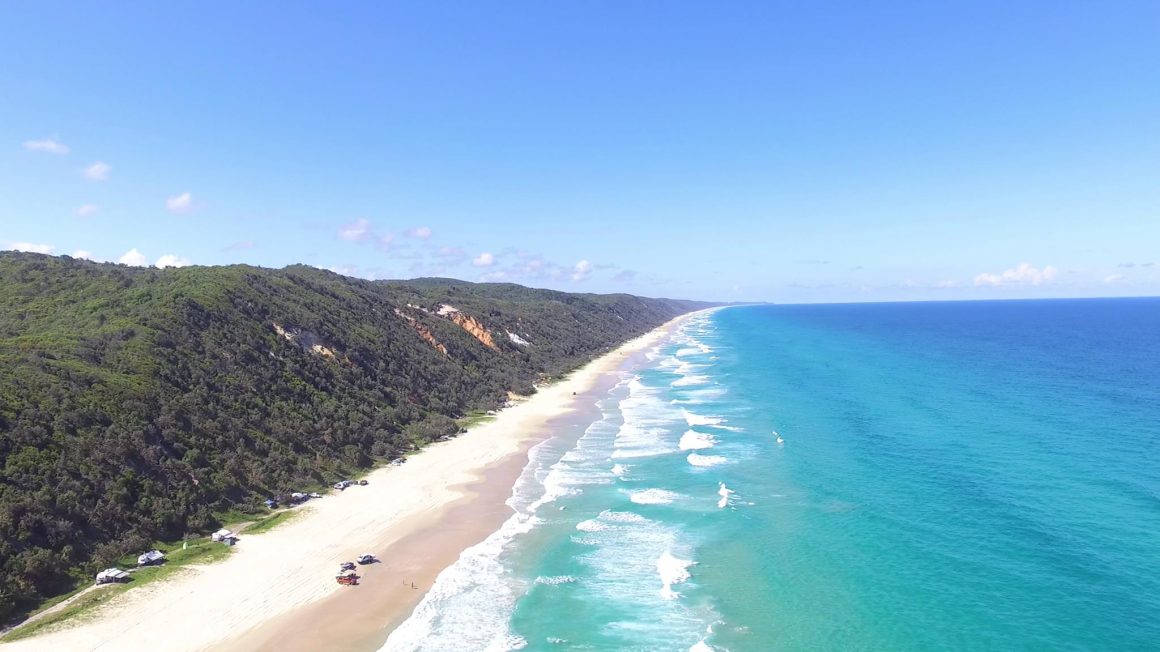
The safest window for beach driving is typically one to two hours either side of low tide. That gives you firmer sand, more space to manoeuvre, and a bigger safety margin if something goes wrong.
Once the tide turns and starts to push in, it moves fast. Some coastal shelves and narrow beach sections disappear in minutes. If you’re still airing down when the water reaches your wheels, you’re in trouble.
And don’t just look at the water line, check the weed line, which is usually the high tide mark. If you’re driving below that and the tide’s on the way in, you better get moving.
How Storms and Weather Affect Tides
Now for the part most people forget: weather matters too.
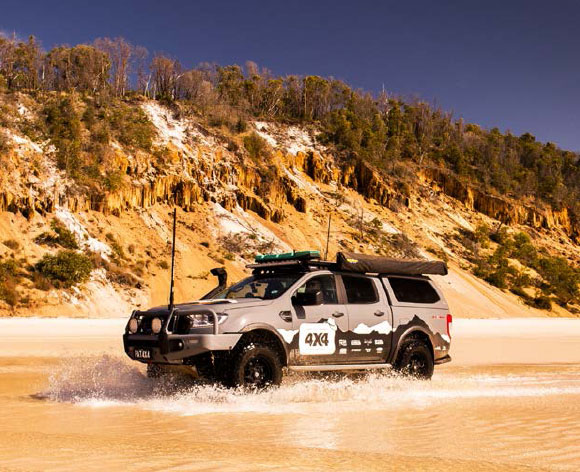
A decent low-pressure system can lift the sea level, pushing tides higher than forecast. Combine that with onshore winds and you’ll find the waves lapping much further up the beach than predicted. That headland you could normally sneak past at low tide might still be underwater.
Even inland, storm surge and king tides can back up rivers and creeks that flow into the sea – turning ankle-deep crossings into bonnet-high torrents. There’s been plenty of 4X4s that got caught out thinking they were crossing a simple creek, only to discover the ocean was pushing back upstream.
Tides and Inland Waterways
A lot of people think tides only matter if you’re on open sand. Not true. If you’re near the coast, even a few kilometres inland, tidal flow can still affect river crossings, floodplains, and low-lying tracks.
A river that’s totally crossable at low tide might be a no-go zone a few hours later. Water can back up for surprising distances, and if you’re timing a crossing on memory or gut feel, you’re rolling the dice.
The Bottom Line
Beach driving is all about preparation, and timing the tides is one of the most important parts. Check the charts. Understand the cycle. Know what kind of tide it is. Keep an eye on the moon, the weather, and your watch.
And most importantly – don’t push your luck. The ocean doesn’t care about your itinerary.
Quick Tips:
- Download a tide app that works offline (like WillyWeather or BOM’s MetEye).
- Set alarms to remind you when the tide will turn.
- Always check the exit route first, don’t trap yourself on a rising tide and realise later the track out is already underwater.
- If you’re unsure, wait. Sand and water don’t mix well when it comes to traction, and tow trucks don’t like swimming.