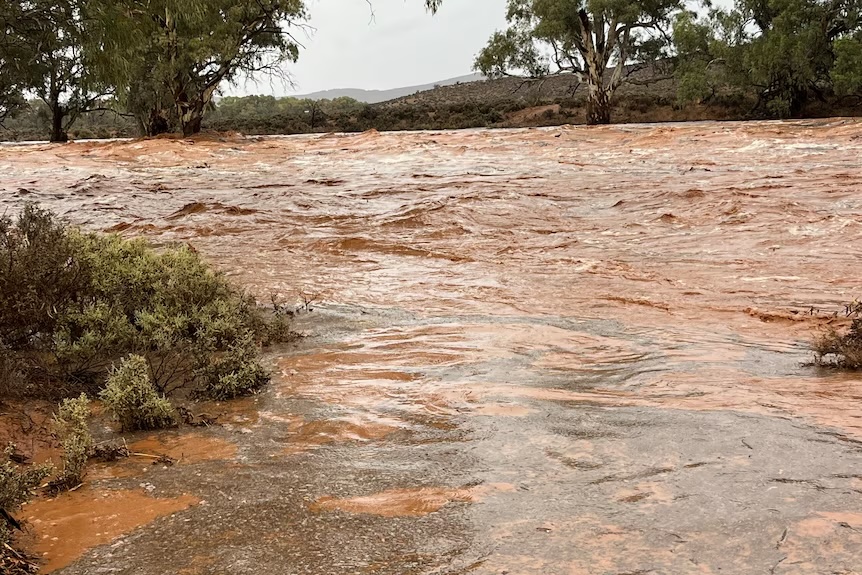
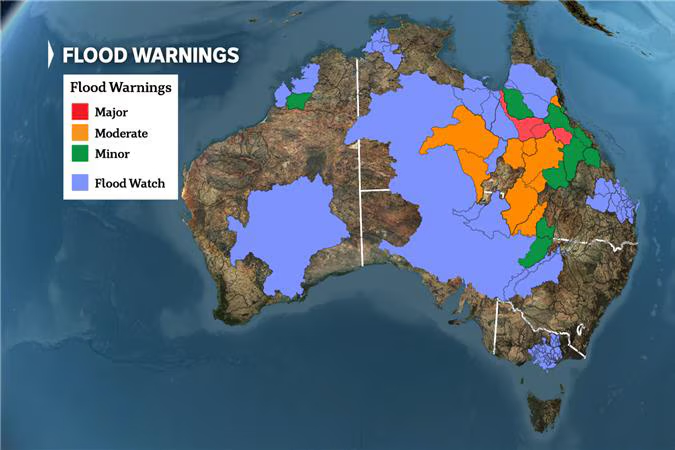
Nearly half the country is on flood watch right now. A slow-moving low-pressure system has parked itself over central Australia and it’s dragging tropical moisture deep into the interior. We’re talking six months to a year’s worth of rain in a week across parts of the NT, SA, QLD and western NSW.
For most people, that’s a weather story. For us? It’s a touring story. And if you’re planning a Simpson crossing, a Birdsville run, an Oodnadatta Track lap or even a Flinders mission, this is the sort of system that can rewrite your trip in a heartbeat.
Let’s unpack what it means, and how to tour smart when the country gets properly wet.
The System That Won’t Move
The BOM’s describing this system as unusual for two reasons: it’s slow, and it’s loaded with tropical moisture more typical of Far North Queensland in monsoon season. That’s not your average outback thunderstorm. That’s sustained, soaking rain over country that doesn’t see it often.
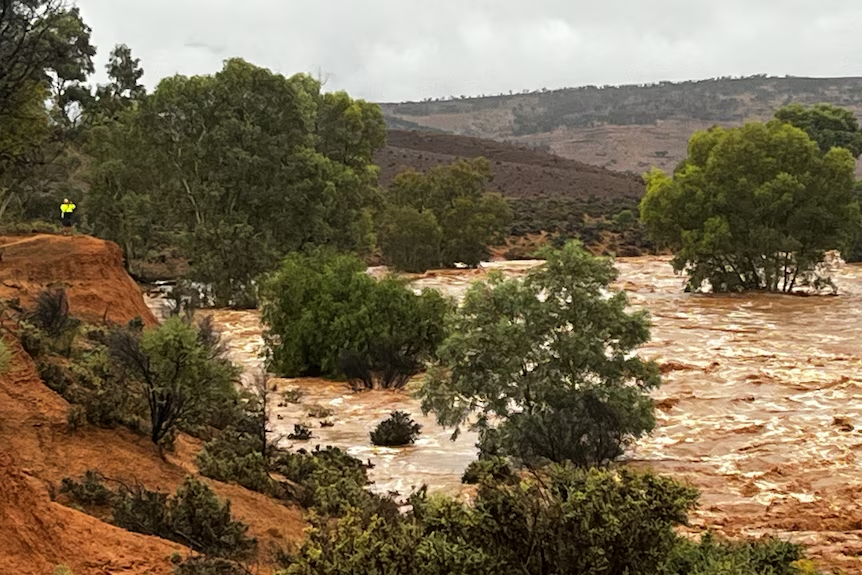
Places like the southern NT, northern SA and western QLD have already clocked 100–150mm in a few days. If you’ve toured those areas, you know how quickly clay pans and station tracks turn from firm to impassable.
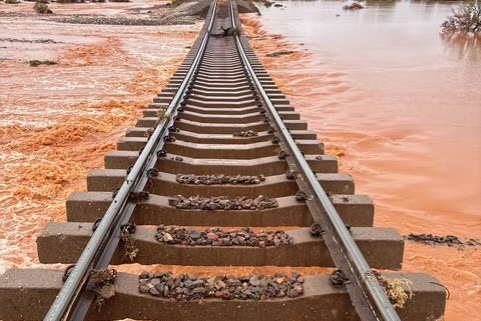
The thing most people underestimate is how long the impact lasts. The rain might stop, but the roads don’t magically dry overnight. Roads close. Station access tracks get locked. National parks shut gates and keep them shut.
If you’ve got a rigid itinerary and bookings stacked back-to-back, you’re in trouble.
Flooded Tracks Aren’t A Challenge, They’re A Trap
We’ll say this plainly: driving around road closure signs in flood conditions isn’t adventurous. It’s selfish.
Outback roads aren’t sealed sub-bases with drainage. They’re often compacted clay over natural soil. Once they’re saturated, your 3-tonne wagon isn’t just “making tracks”, you’re destroying the road surface for months.
And if you get stuck? Recovery isn’t quick. Or cheap.
Flooded creek crossings are another big one. The water might only look hub-deep, but moving water plus soft base equals vehicle repositioning without your permission. Add debris and washed-out entries and it becomes a genuine safety risk.
If you can’t see the base, you don’t drive it. Full stop.
What This Means For Your Upcoming Trip
Here’s the interesting bit though. Big inland rain events can create unreal touring opportunities, once things reopen. The Simpson after rain? Magic. Wildflowers. Firm sand once it dries. Wildlife everywhere. The country feels alive. But timing is everything.
If you’re heading into central Australia in the next few weeks:
Check state road reports daily.
Call local councils or police stations before committing to remote legs.
Watch fuel availability in small towns, supply trucks get delayed.
Have an alternate route mapped that keeps you on higher ground or sealed links if needed.
The other thing people forget is rivers and catchments further south. Even if it’s not raining where you are, upstream rainfall can put crossings into flood days later. Victoria, SA and NSW are all seeing flow-on impacts from this system.
Floodwater doesn’t respect state borders.
Touring Smarter In A Wetter Australia
We’re seeing more of these slow, moisture-loaded systems in recent years. Whether that’s cyclical or part of a bigger pattern doesn’t really matter from a touring perspective. The takeaway is simple: flexibility is now a core touring skill.
Rigid plans belong on bitumen road trips.
Outback touring demands adaptability.
That might mean delaying a desert crossing by a week. It might mean shelving a trip entirely. It might mean redirecting to the coast or heading north instead of west.
The upside? When the country dries out after events like this, it can be some of the best touring you’ll ever do. Freshly washed air. Clear skies. Recharged waterholes. Exploding wildflowers. Tracks that feel brand new. But only if you respect the conditions before that point.
The bush doesn’t care how far you’ve driven to get there. It doesn’t care about your annual leave balance. And it definitely doesn’t care about your content schedule. Plan smart. Stay flexible. And remember, sometimes the best touring decision is the one that keeps you parked up with a brew waiting for the country to do its thing.
Because when it’s ready again, it’ll be worth it.