
We’ve all been there. You’re out on a solo mission or maybe you’ve just pulled ahead of the convoy, and you’re staring down a section of track that looks more like a rockfall than a road. Usually, you’d have a mate standing out front waving their arms like a grounded aircraft controller, but today it’s just you and the windscreen. Picking a line from the driver’s seat is a daunting prospect at first, but it’s a skill that’ll make you a far more capable off-roader in the long run.
The biggest mistake we see is people overcomplicating the process. They look at the big rocks and panic, rather than looking at the gaps and the transitions. When you’re sitting in the cabin, your perspective is skewed. You’re looking down at an angle, which makes obstacles look flatter than they are and holes look shallower. To combat this, you need to develop a mental map before you even shift into low range.
Read the terrain before you roll
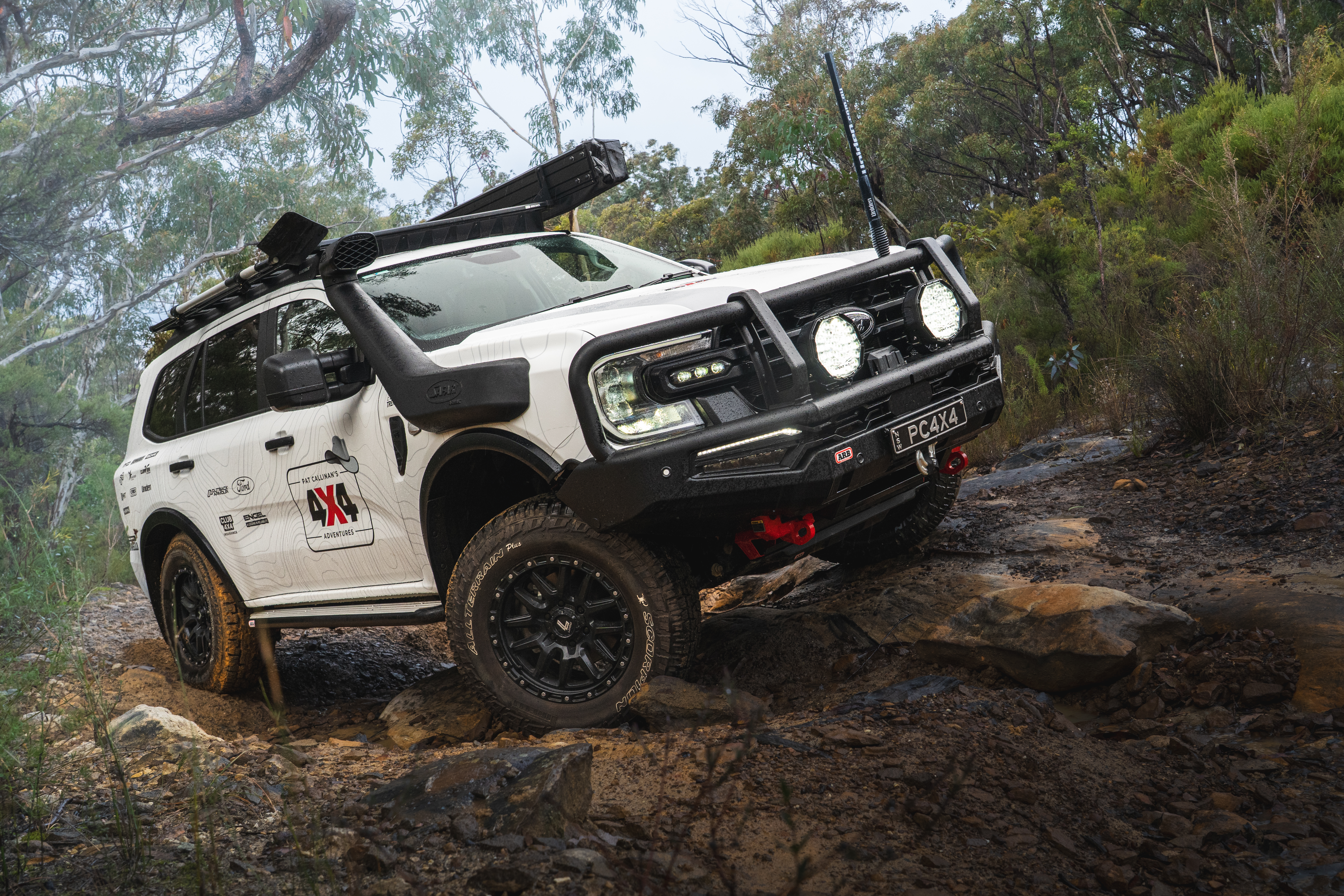
Before you even think about touching the skinny pedal, get out of the vehicle. It sounds simple, but it’s the most effective tool in your kit. Walk the section of track. Look for the “high points” and the “diff hangers.” Your goal isn’t just to get the tyres over the rocks, it’s to keep your underbody clear of the sharp bits that want to ruin your day.
While walking, identify your entry and exit points. Look for the path of least resistance, which is rarely a straight line. We want to find a route that keeps the vehicle as level as possible. Side-slopes are the enemy of traction and stability, so try to find a line that allows your suspension to do its job without putting you on your lid. Once you’ve picked the path, pick out a few “markers” on the ground, a weirdly shaped rock or a patch of clay, that you can see from the driver’s seat to keep you on track.
Master the art of tyre placement
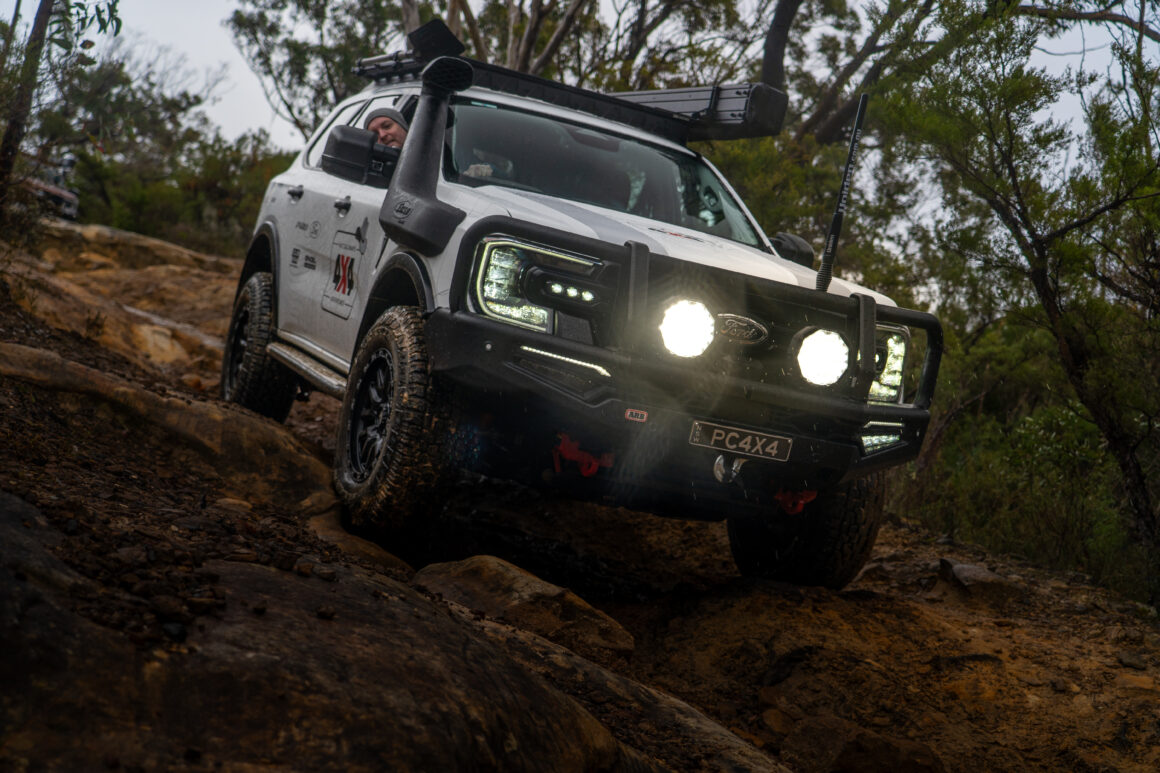
When you’re back in the seat, your focus needs to shift to where your rubber meets the road. The golden rule of rock crawling is “put your tyres on the high stuff.” If there’s a big rock in the middle of the track, don’t try to straddle it. That’s a one-way ticket to a hung-up differential or a smashed sump. Instead, put your driver-side or passenger-side tyre right on top of it.
This does two things. First, it lifts the lowest parts of your vehicle, your diff pumpkins, further away from the ground. Second, it gives you maximum traction on the most solid surface available. It feels counterintuitive at first to drive toward the biggest obstacle, but it’s the safest way to clear it. Just remember that as you climb over a rock, the vehicle will pitch and roll, so you need to account for where the body will swing as you come off the other side.
Use your mirrors and lean out
Modern 4X4s have great visibility, but they still have massive blind spots directly in front of the wheels. This is where your side mirrors and the “old school” lean come into play. Don’t be afraid to hang your head out the window to see exactly where that front-right tyre is headed. It gives you a real-time reality check against the mental map you built while walking the track.
Your mirrors are equally important for the rear wheels. It’s easy to forget that the back of the car doesn’t always follow the front perfectly, especially in tight turns. A quick glance in the mirror will tell you if your rear diff is about to get snagged on a rock you’ve already cleared with the front. It’s all about maintaining that 360-degree awareness of where your metal ends and the earth begins.
Momentum is a tool not a weapon
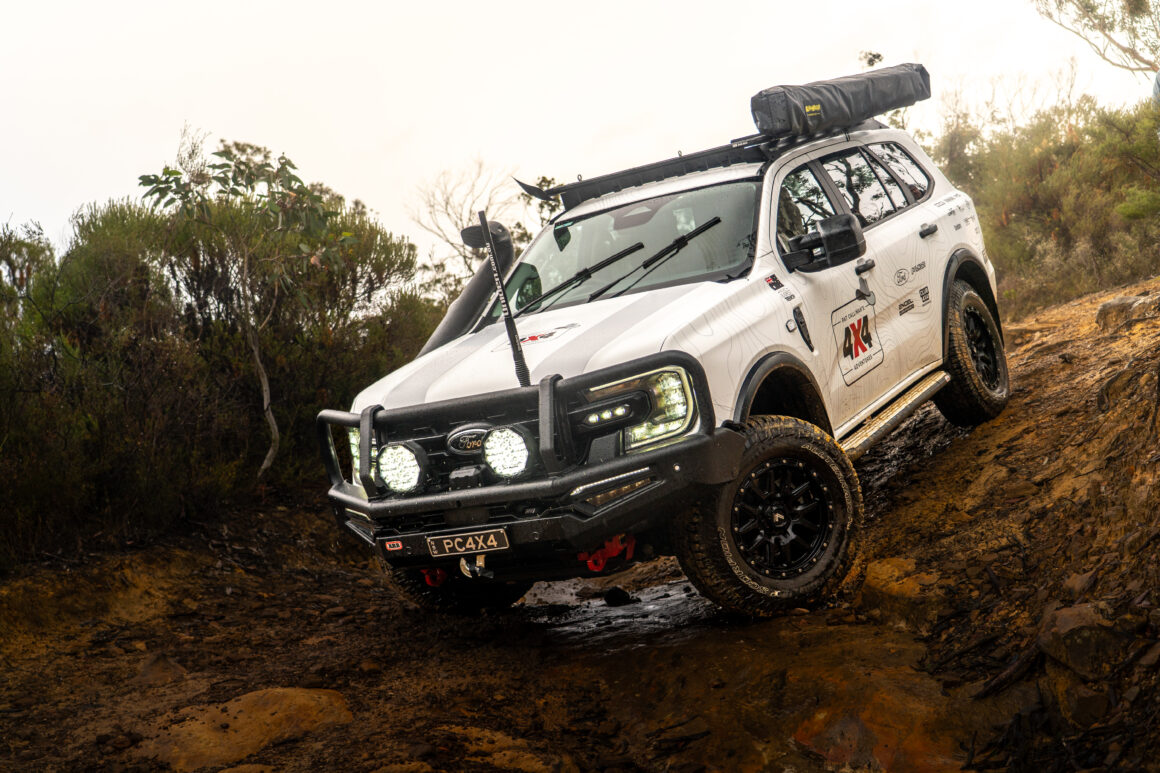
Finally, let’s talk about pace. Rock crawling is about finesse, not flying. When you’re picking your own line, you want to move at a walking pace. This gives you time to feel how the vehicle is reacting. If you feel a tyre start to slip or the underbody make a “clink,” stop immediately. Back up a few inches, reassess, and try a slightly different angle.
Crawling is a game of inches. By taking it slow, you reduce the risk of panel damage and mechanical failure. You’ll find that as you get more experienced, you’ll start to “feel” the terrain through the steering wheel and your seat. You’ll know when a tyre is loaded up and when it’s about to lose grip. Picking a line without a spotter isn’t about being a hero, it’s about being calculated, patient, and honest with what your rig can actually do.