
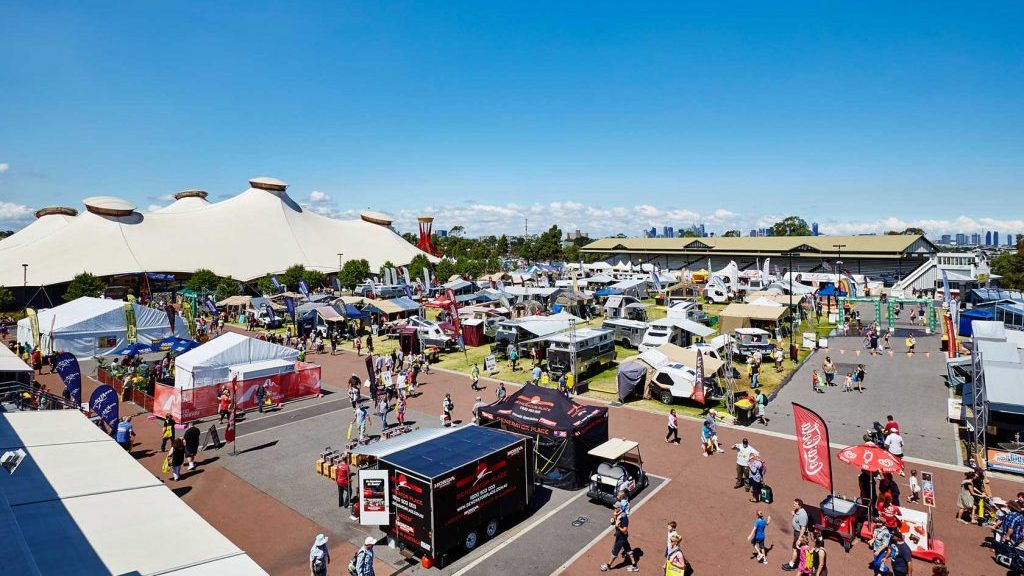
If you’ve spent any time around caravan dealerships over the last five years, you’ve seen both extremes of the market. During COVID, manufacturers couldn’t build vans fast enough. Customers were waiting months, sometimes years, for deliveries. Dealers had empty yards, order books were overflowing and it seemed like every second Aussie was planning a lap of the country. Back then, the industry could do no wrong.
But like most booms, it created a false sense of security. Manufacturers expanded factories, hired staff and invested heavily in growth because demand showed no signs of slowing down. The problem was that much of that demand was driven by a very unique set of circumstances. Australians couldn’t travel overseas, interest rates were low and plenty of households had more disposable income than usual. Fast forward to today and those conditions have disappeared.
The latest reports suggest Great Aussie Caravans is among a growing list of businesses caught up in the industry’s downturn. Network RV recently entered voluntary administration, while Queensland manufacturer Trailers 2000 entered liquidation. Suddenly the same industry that couldn’t build enough vans is struggling to sell them. And unfortunately, that shouldn’t come as a surprise to anyone paying attention.
Buyers Have Changed Their Priorities
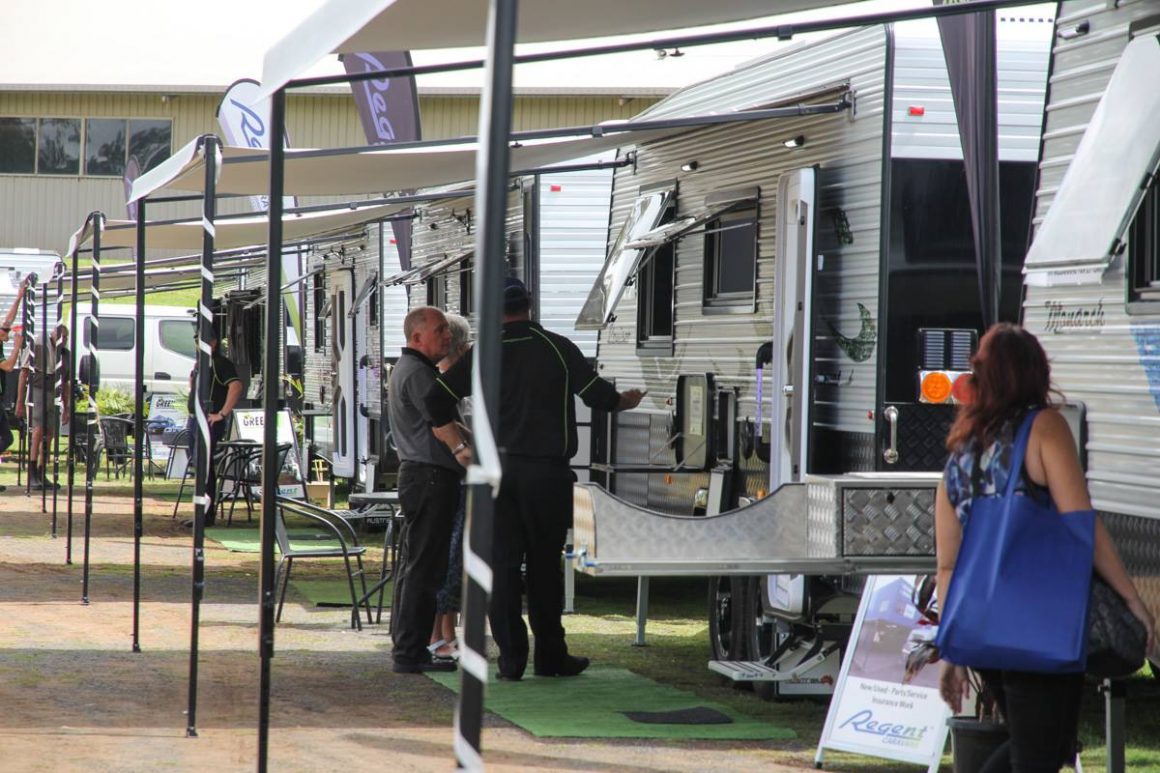
The biggest challenge facing caravan manufacturers right now isn’t necessarily the product they’re building. It’s the customer they’re trying to sell it to.
A few years ago, buyers were happy to place orders months in advance and pay prices that would have seemed outrageous a decade earlier. Today, those same families are dealing with higher mortgage repayments, rising living costs and far less financial confidence than they had during the boom years. When household budgets tighten, big-ticket purchases are usually the first things people put on hold.
A new off-road caravan might still sit on the wish list, but it’s often getting pushed further down the priority list. Plenty of Australians still want to travel, but they’re looking harder at their finances before committing to a purchase that can easily stretch well beyond six figures.
At the same time, we’re seeing far more competition for those buyers. Manufacturers aren’t just competing against each other anymore. They’re competing against a second-hand market packed with near-new caravans, many of which have barely been used. That’s creating a much tougher sales environment than the one many businesses built their expansion plans around.
The Market Has Become Crowded
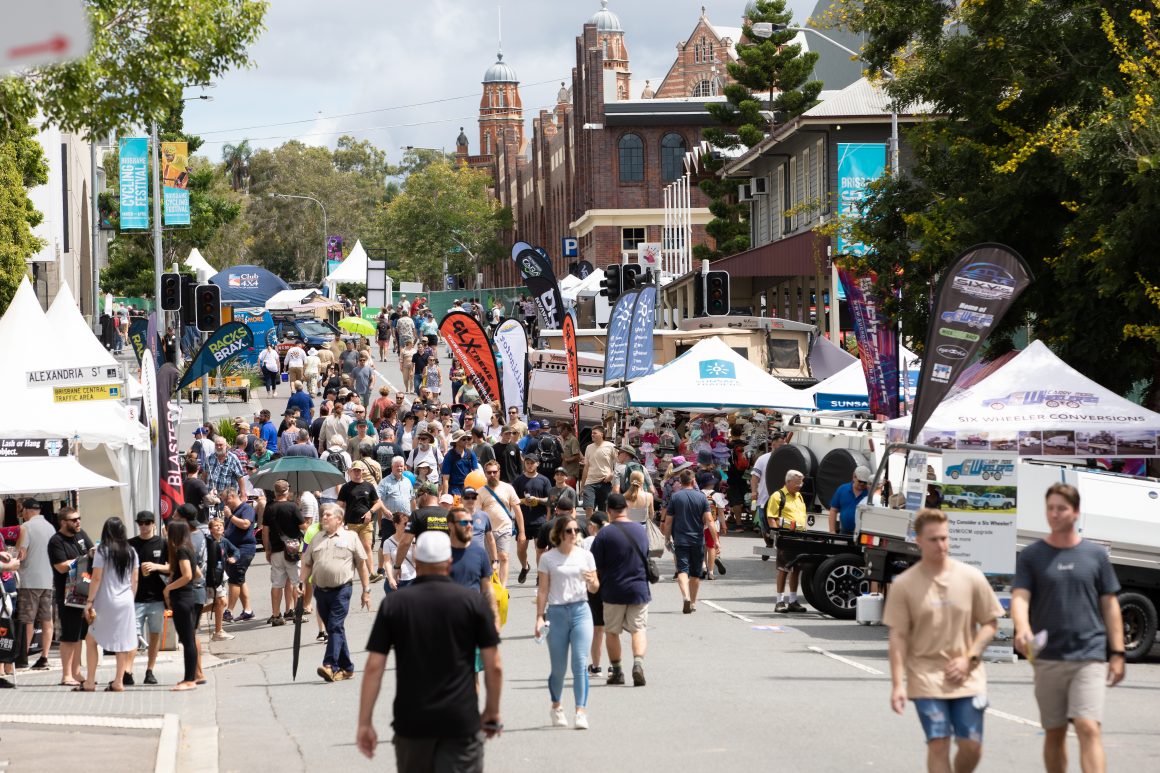
The other factor that’s impossible to ignore is just how crowded the caravan market has become. Australian manufacturers are now competing against a growing number of imported products that often arrive with impressive specifications and aggressive pricing. Whether you agree with the imported caravan trend or not, it’s having an impact. Buyers who’re focused primarily on value are finding themselves with more choices than ever before.
Add a flooded used market into the equation and the pressure only increases. Many of the caravans purchased during the COVID boom are now being sold. Some owners have finished their big trips. Others simply aren’t using them enough to justify keeping them. Whatever the reason, those caravans are now sitting on dealer lots and marketplace listings across the country, often at prices that make a brand-new van look difficult to justify.
For buyers, that’s not necessarily bad news. In fact, there are some incredible bargains available right now. For manufacturers, though, it means fighting for every sale in a market that looks very different to the one they enjoyed only a few years ago. The result is exactly what we’re seeing today, with some businesses finding it harder and harder to stay afloat.
What Does It Mean For The Rest Of Us?
For most readers, the big question isn’t which manufacturer collapsed. It’s what happens next. The reality is that Australian caravan manufacturing isn’t disappearing tomorrow. There are still plenty of strong businesses building quality products and there will continue to be demand for locally built vans. What we’re seeing now feels less like the collapse of an industry and more like a correction after one of the biggest booms the sector has ever experienced. That doesn’t mean buyers should ignore the warning signs.
If you’re shopping for a new caravan, now is the time to do your homework. Ask questions about deposits, understand payment schedules and make sure you’re comfortable with how your money is being handled before signing anything. The days of blindly joining a waiting list and assuming everything will work itself out are probably behind us.
The silver lining is that buyers currently hold more power than they’ve had in years. There are deals to be had, stock is available and the used market is overflowing with options.
The next twelve months will likely determine which manufacturers adapt to this new reality and which ones don’t. Either way, the caravan industry that emerges on the other side will probably look very different to the one we saw during the peak of the travel boom.


3 comments
Reputations are forged on two things, quality of product and after sales service. The latter has been ignored since Covid especially as caravan manufacturers were swamped with work. Many will need to revisit the working model they choose moving forward. Manufacturers can make cheaper caravans, but if the manufacturer is renown for poor after sales service or acceptance of legitimate warranty issues, you have to question whether you really want to deal with them.
Unfortunately this article is ringing true for us and a lot of other caravanners. Our problem is the WA government have wrapped so much bureaucracy around getting an upgraded GCM recognised that we’re now looking at selling our 21’ Bushtracker off grid family caravan. My 200 Series Landcruiser pulls it incredibly well, but the Department of Transport refuses to recognise the capabilities of the 200 Series. I heavily modified my Landcruiser with a full Lovells suspension upgrade, a snorkel, a remap and a Richards torque lock on the gearbox. The result I can travel at 100km/hr and I’m doing 1,800RPM on the flat with a range of 650 to 700kms out of a 120 ltr tank of diesel. We love caravanning although we’re temporarily stuck with health issues ATM. When we recover we can’t wait to get back out there and enjoy this wide brown land of ours.
Interesting article on the caravan industry.
Another industry attached to that is the caravan parks……………
Because people had the cash to travel the price of caravan sites rose quite dramatically. As the industry settles down again the prices in the parks should drop. I’m not sure how these parks can justify their prices.
This is encouraging the travellers to look for cheap or free camps sites.