Dan Everett: Right. Ben, could you start by telling us a bit about who you are and what your role is at Engel?
Ben Ranford: Sure, I’m currently the sales representative for Western Australia and the Eyre Peninsula at Engel. It’s an interesting role that keeps me pretty engaged with a diverse range of tasks. I’ve been the sales rep for nearly three years now. But I actually started with Engel back in late 2016. Since then, I’ve been involved in quite a few different areas within the company, ranging from general office duties to managing aspects of our warehouse. It’s been a great journey.
DE: That sounds quite comprehensive. How many people are on the team at Engel?
BR: The team isn’t very large. We have one person based in New South Wales, a few in other states and around ten people in Queensland. So, it’s a tight-knit group where everyone has a significant role to play.
DE: It seems like a setting where everyone needs to contribute quite a bit, right?
BR: Absolutely, Dan. In fact, as a company policy, we generally promote from within. This means whenever there’s a vacancy, our first step is to assess internal candidates who might be interested and capable of filling the role. This approach has helped us build a strong, internally-driven team dynamic.
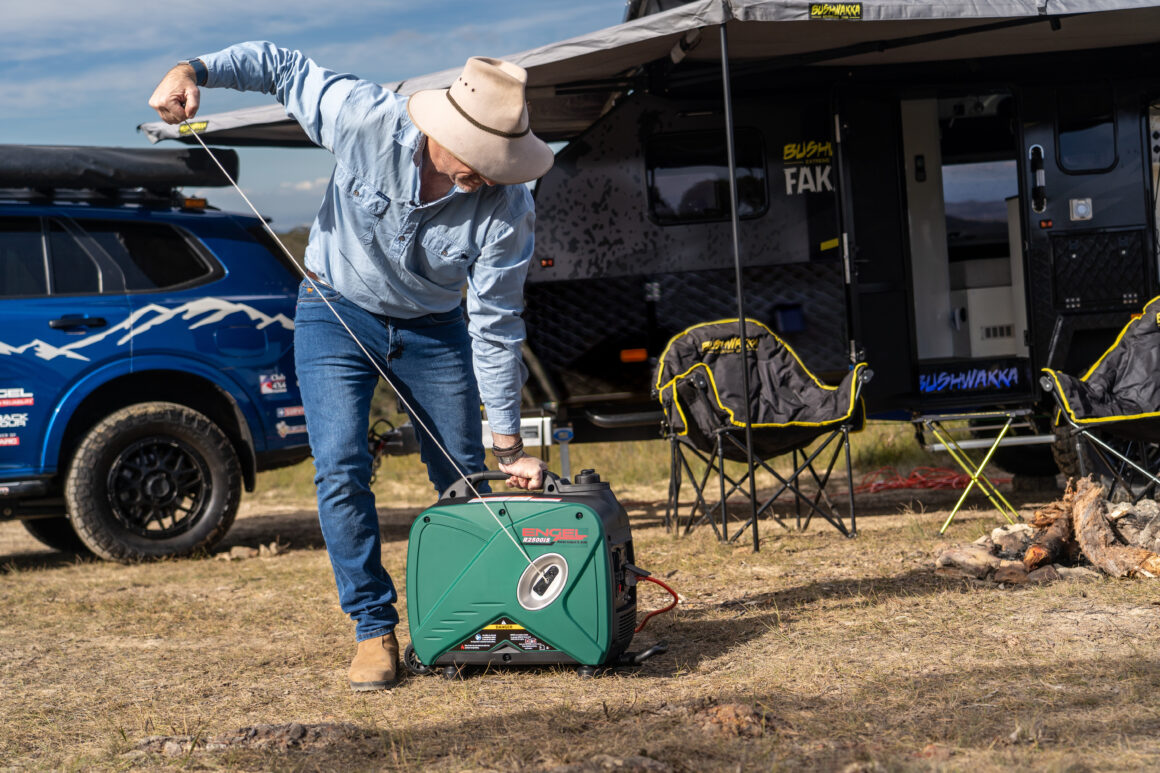
DE: Engel is renowned for its fridges being exceptionally reliable. When it comes to generators, what kind of core technology or design philosophy have you transferred from fridges to generators to achieve similar reliability?
BR: The core approach was really about ensuring reliability and durability, which are synonymous with our brand. When we decided to expand into generators, we weren’t actually manufacturing them ourselves, but it was crucial to align ourselves with a manufacturer whose ideals about reliability matched ours. After some searching, we established a partnership with a manufacturer we felt comfortable with, which allowed us to confidently put the Engel name on another product.
DE: Who exactly manufactures these generators for you?
BR: The generators are manufactured by a company named Rato. They’ve been a fantastic partner. Before we finalized our agreement, we purchased a few units which were sent back to Japan for extensive testing to ensure they met our standards. They manufacture all the components, which helps maintain consistent quality control. There are other Rato generators out there, but ours are specifically built to a European standard, which is currently higher than the Australian standard, particularly in terms of emissions and a few other specifications.
DE: What specific efforts have you made to ensure these Rato motors can withstand the tough conditions of the Australian Outback?
BR: We did a lot of practical testing. We had sales reps and team members integrate the generators into their daily lives, whether they were camping, caravaning, or even just spending time in their fishing shacks. This phase of testing was crucial and lasted about 12 to 18 months. Additionally, back in Japan, our parent company Sawafuji conducted more controlled testing and analysis in factory settings.
DE: With a lot of competition in the generator market, what makes someone choose an Engel generator over other brands?
BR: At the moment, we offer three different models, with a fourth model planned to be introduced around August. Each model has been designed to meet specific needs and standards. I think a significant factor is the trust and reputation associated with the Engel name. People recognise it and associate it with quality and reliability, particularly for the Australian market. This recognition is supported by our thorough pre-testing, ensuring we maintain our brand’s reputation with each new product release.
DE: Looking forward, are there any new innovations or expansions planned for the generator line?
BR: Yes, we’re definitely exploring new models that would better suit specific niches and sizes. We’re looking at features like key starts or remote starts, and a larger open—frame model. While nothing is set in stone yet, we are actively researching and developing these ideas.
DE: What’s the benefit of an open-frame generator compared to an enclosed one?
BR: Open-frame generators typically offer more power, which is essential for applications like mining where larger equipment needs to be powered. It’s about offering a product that fits the market demand, providing solutions that cater to more robust needs.
DE: As people move towards larger battery systems, how do you see generators evolving to fit into this new landscape?
BR: Generators will always have their place. In locations like a remote fishing shack, where maintaining a battery might be challenging, a generator becomes indispensable. It’s all about providing that reliable backup option that ensures you’re not solely dependent on a 12-volt system.
DE: And when considering the cost, how do you position your generators in the market?
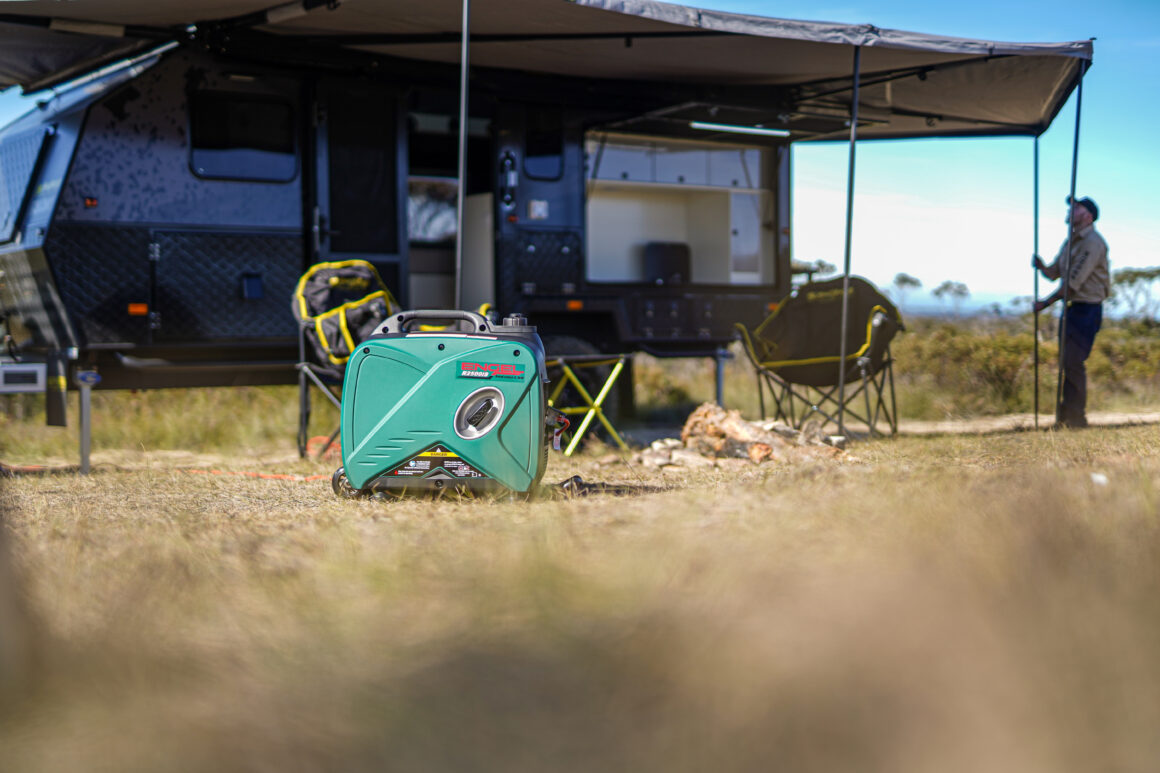
BR: Our larger generators, particularly the 5.5 KVA, are more commercially oriented. They’re designed for heavy-duty use, such as running a welder or an angle grinder, which wouldn’t be feasible with a battery system. Our smaller generators compete with inverter systems, but they provide necessary 240-volt power to supplement 12-volt systems, especially useful when parked under a tree where solar panels might not receive sufficient sunlight.
DE: Finally, in light of recent natural disasters, have you noticed a change in the demand for generators?
BR: Absolutely. Following the recent bushfires in Perth and the floods in New South Wales, there’s been a significant spike in generator sales. People aren’t just buying them for recreational use but as a critical backup to maintain essential services during emergencies. This shift highlights the importance of having a reliable power source ready for any situation.