
Scorching hot Australian summers are perfect for loading up your 4X4 and heading off-road for an adventure. Unfortunately, those same hot temperatures that beckon you to the great outdoors can also be a big test of your vehicle’s cooling system. The absolute last thing you want to see is a geyser of steam hissing out of your bonnet. Even worse when you’re far from the nearest road. Here are our tips to help avoid overheating your 4X4 on your next trip.
Monitor your 4X4’s temperature gauge
It’s funny. Most drivers look at their fuel gauge multiple times a day. The same goes for speedometers. But, while they’re checking to make sure they have enough petrol for the trip and monitoring their speed to avoid a ticket, most drivers fail to look at that little temperature gauge sitting there. Don’t be one of those drivers. This is critical to avoid overheating.
Have a look at what that gauge reads when your 4X4 is operating normally. After your truck has been started and has had a chance to run for a while, note where the needle sits. You may want to check this on a couple different occasions just to ensure you have the correct “normal” temp. Now, if you see your engine temperature begin to increase rapidly, there may be a problem with your cooling system. Don’t ignore this warning sign. If you do you risk damaging your engine and having to pay hefty tow and repair fees. Get it looked at as soon as possible.
How’s your coolant?
Before heading out, have a look at how much coolant there is in your system. This is especially critical if this is the first time, you’re taking the 4X4 out in a while. Coolant doesn’t last forever. It needs to be changed every year or two, depending on how often you are taking the truck out. If your coolant is low or looking sludge-y, change it up. It’s also a good idea to bring extra coolant or water on your excursion just in case. But don’t top up your coolant if the engine is hot. Wait until it cools down or when you remove the cap as hot pressurised liquid will fly out.
Look out for leaks to stop overheating
Have you looked under your vehicle lately? Thanks to the colouring in coolant, leaks leave an easily identifiable puddle if there is a problem. If you see there’s a leak, don’t wait. Get the problem fixed sooner than later. Your coolant reservoir could have an issue, or the gaskets on your hoses. It could even be a leak in your radiator.
Check your hoses and fan
Checking under your bonnet should be part of your routine maintenance. Before any big off-road adventure, check your hoses, fan and fan belt for wear or any potential issues. Are those rubber hoses or belts starting to fray or get brittle? It may be time for replacements before you find yourself stranded with an overheated engine.
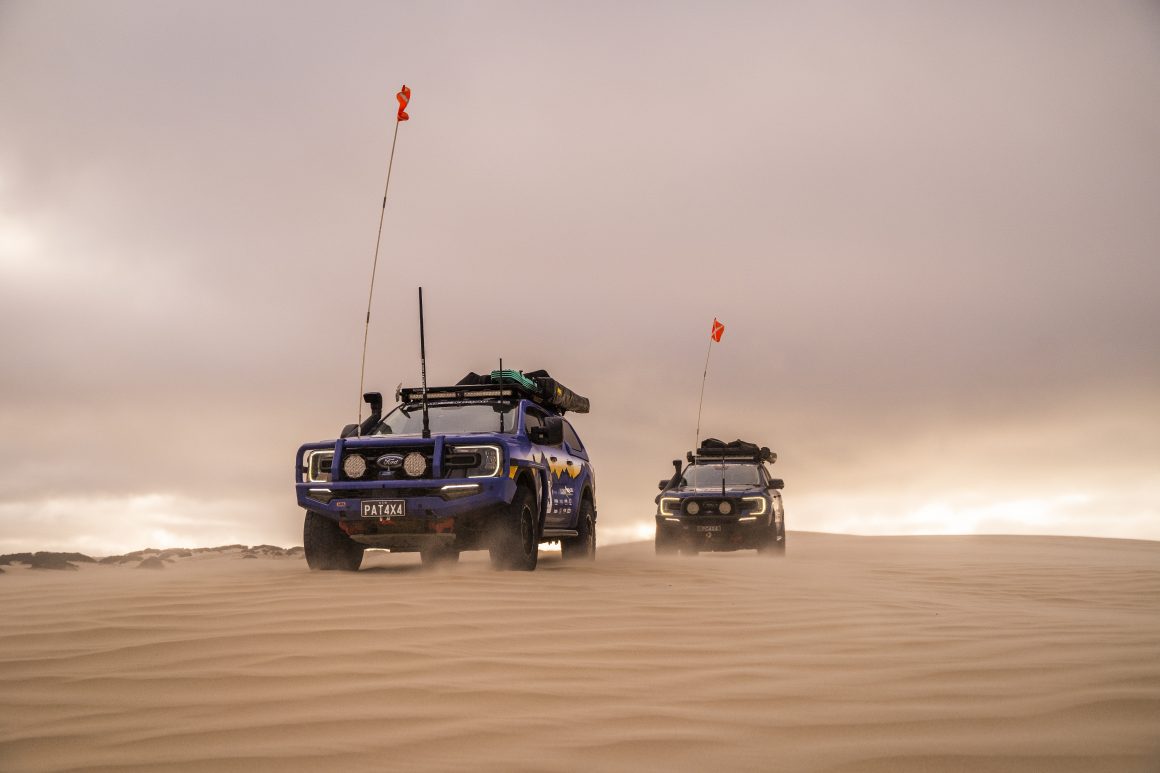
Keep your vehicle clean to avoid overheating
Probably a no-brainer, but a dirty vehicle could potentially lead to an engine overheat. A radiator that’s completely covered and caked over with mud that’s like concrete just isn’t going to function properly. Sludge that’s infiltrated every nook and cranny from a day off-roading likewise can make your truck work harder, leading to issues. So, keep that 4X4 looking like new, wash it off after your excursions, and it in return will treat you right too. A win win scenario!
Don’t overload or tow too much
Your 4X4 is going to be working hard to conquer challenging terrain. Don’t make its job more difficult by packing your truck like it’s a clown car or trying to tow something that’s going to be a struggle. Make sure you know your vehicle’s suggested weight limits and stay within them. Not sure what the manufacturer suggests for your 4X4? Haver a look in the owner’s manual or check for a sticker or plate on the driver’s side door frame.
Should your engine start to heat up rapidly even after preparing for your trip with these tips, try shutting down your AC and turn up your heat. Sure, you and your passengers will suffer in the cabin (hey, crack some windows), but remember that heat blasting inside is being funnelled away from the engine. It may help get you to a service station in a pinch. Happy off-roading!