

Most of us spend months planning a major trip. We map routes, book campsites, service the rig and count down the days until departure. What we rarely consider is whether the weather patterns shaping the entire continent are about to change. That might be worth paying attention to this year.
US forecasters have officially declared an El Niño event in the Pacific Ocean, with some experts suggesting it could become one of the strongest on record. While weather systems are never guaranteed, El Niño is often associated with hotter and drier conditions across large parts of Australia. It can also increase the likelihood of drought, heatwaves and bushfire activity.
For 4X4ers, caravanners and anyone planning a Big Lap, that could have a real impact on where and when you travel. The good news is that it doesn’t automatically mean cancelling plans. In fact, some destinations could become more accessible than they’ve been for years. The challenge is understanding where opportunities might emerge and where conditions could become more difficult. If this forecast develops as expected, flexibility could become just as important as fuel range and recovery gear.
The Places That Could Benefit Most
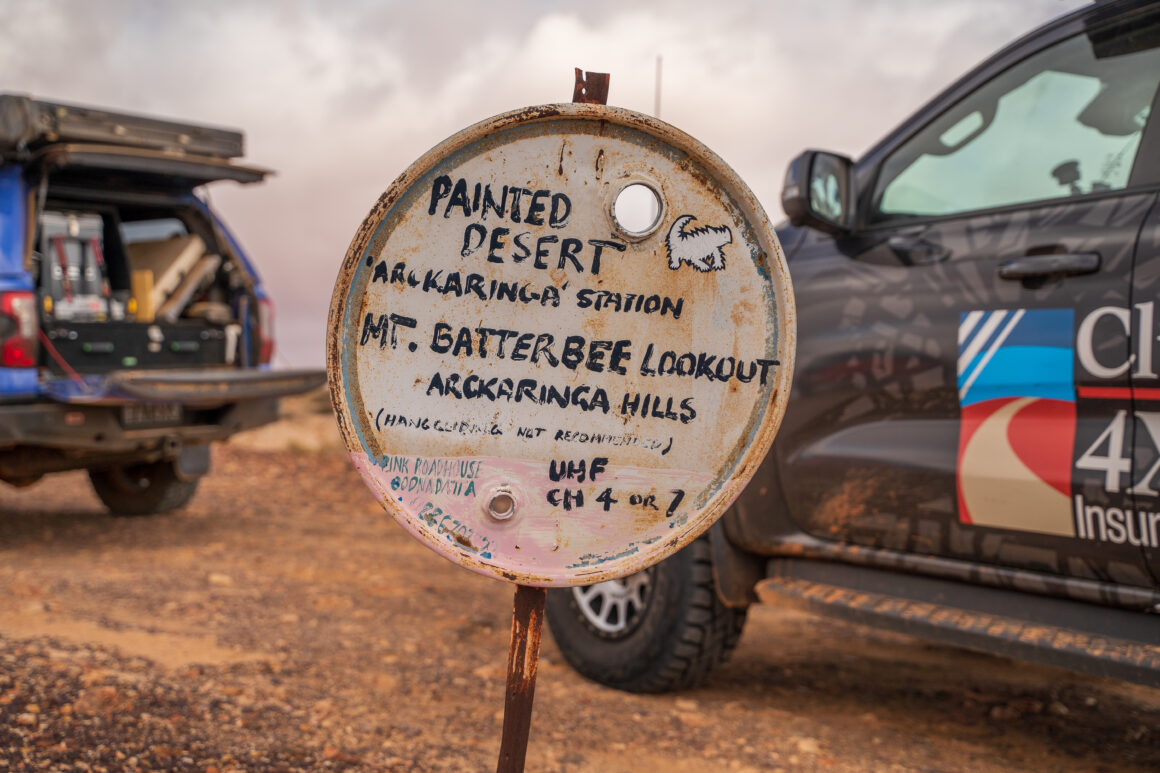
When most people hear the words drought or dry conditions, they immediately think bad news. For 4X4ers, however, it’s not always that simple. Some of Australia’s most iconic touring destinations rely on extended dry periods to remain accessible. Tracks through Central Australia often struggle after significant rain events. Road closures can last weeks or even months while surfaces dry out and repairs take place. If conditions remain drier than average, destinations such as the Simpson Desert, Birdsville Track, Oodnadatta Track and sections of the Plenty Highway could enjoy longer operating windows.
Remote station stays and outback communities may also benefit from fewer weather-related disruptions. That can mean easier access, more reliable travel times and fewer last-minute changes to carefully planned itineraries. Anyone who has sat at a road closure waiting for floodwaters to recede will understand the appeal.
Of course, dry doesn’t automatically mean perfect. Corrugations often become more severe during extended dry periods, and dust can quickly become a major issue. Still, for 4X4ers hoping to tick off some of Australia’s legendary inland routes, a drier season may create opportunities that haven’t existed during recent wetter years. The key will be balancing those opportunities against the challenges that often accompany prolonged dry conditions.
The Risks Tourers Need To Understand
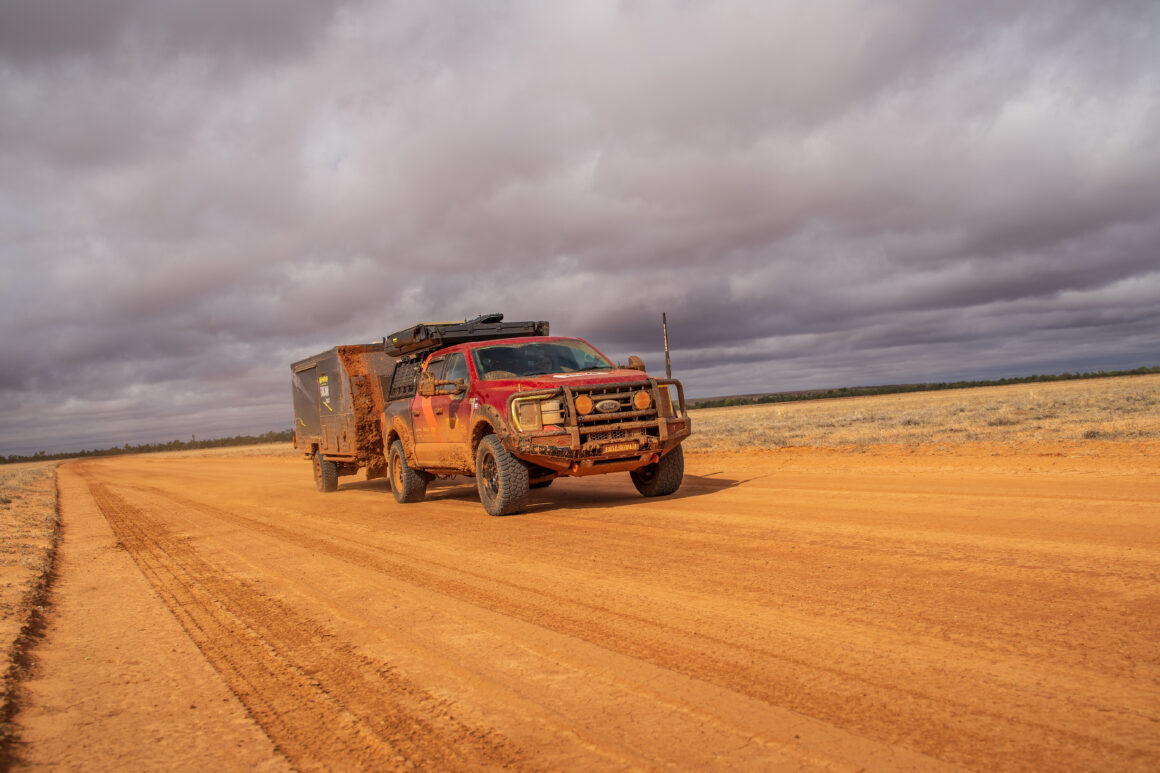
The biggest mistake 4X4ers make is assuming dry weather automatically means easy travel. While fewer flooded roads sounds appealing, hotter and drier conditions bring their own set of challenges. Bushfire risk is often the first concern. Areas that look perfectly safe during trip planning can change quickly if conditions deteriorate. Track closures, national park restrictions and emergency warnings can all impact a route with little notice. Anyone travelling through remote regions should expect conditions to evolve throughout the season.
Vehicle reliability also becomes more important. Cooling systems, tyres and batteries all work harder in extreme temperatures. Dust can overwhelm air filters faster than expected, while prolonged corrugations place enormous stress on suspension and mounting systems. We’ve seen plenty of trips cut short by preventable mechanical failures.
Water management becomes another consideration. Campgrounds, small communities and remote areas can all feel the effects of prolonged dry conditions. Carrying extra water and monitoring local advice becomes more important than ever.
None of this means tourers should stay home. It simply means planning for a different set of conditions. The same weather pattern that opens one track may create challenges somewhere else. Successful big lappers are usually the ones who adapt, rather than expecting conditions to remain exactly as planned.
How We’d Be Planning A Big Lap Right Now
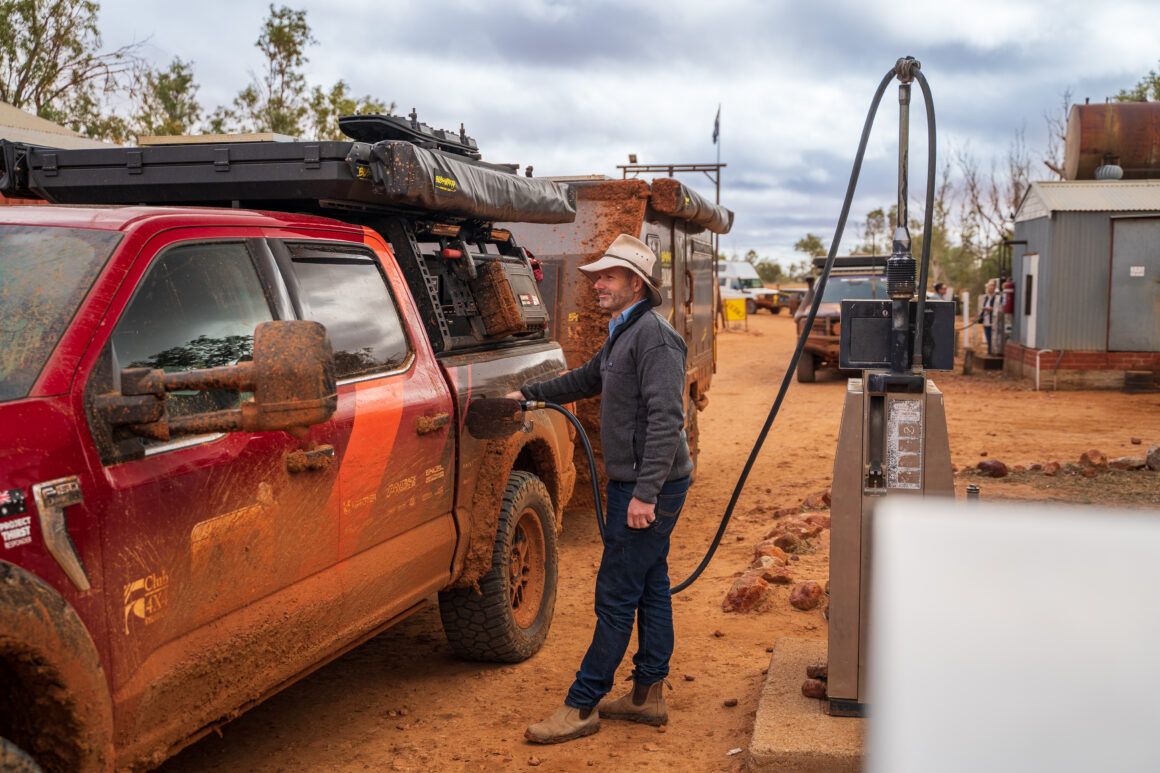
If we were planning a major lap of Australia this year, we’d be building flexibility into every stage of the trip. Fixed schedules and rigid timelines work well on paper, but they can become a liability when conditions start changing.
Rather than locking every stop into place months ahead, we’d focus on key destinations and leave room to adjust the route. If a bushfire closes one area, there’s usually another incredible destination waiting nearby. The 4X4ers who enjoy Australia most are often the ones willing to change plans when necessary.
We’d also be paying close attention to vehicle prep. Cooling systems deserve a thorough inspection. Tyres should be in good condition. Recovery gear needs to be checked and water storage should be carefully considered. These basics become even more important when temperatures climb.
Most importantly, we’d continue monitoring conditions right up until departure. Long-range forecasts provide valuable clues, but they aren’t crystal balls. Conditions can still change dramatically between now and the peak touring season.
If forecasters are correct, Australia could experience a very different travel season to the wet years many travellers have become accustomed to. For some, that may create new opportunities. For others, it may require a change of plans. Either way, understanding what lies ahead could be one of the most valuable pieces of trip preparation you do this year.