
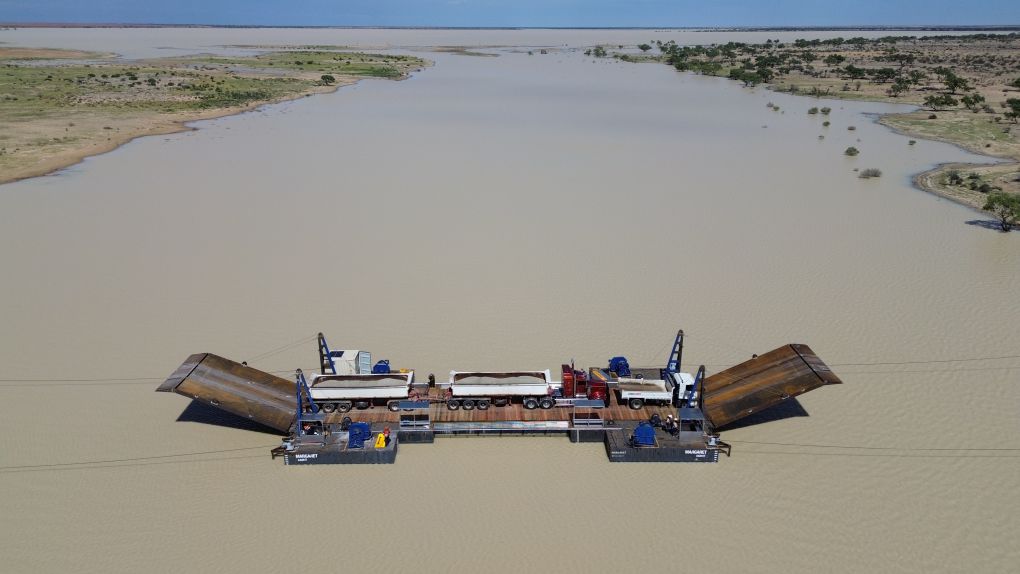
If you’ve spent any time travelling Australia’s outback, you’ll know the Birdsville Track by reputation. Stretching more than 500 kilometres between Marree in South Australia and Birdsville in Queensland, it’s one of the most famous outback routes in the country.
Which makes the following fact sound completely ridiculous.
There’s a ferry on it.
Well, technically these days it’s a barge, and it doesn’t run all the time. But when floodwaters come down through the Channel Country and Cooper Creek cuts the Birdsville Track, one of Australia’s great desert roads suddenly needs a boat.
And the story behind it is even better than that sounds.
Why Does A Desert Track Need A Ferry?
The answer is Cooper Creek.
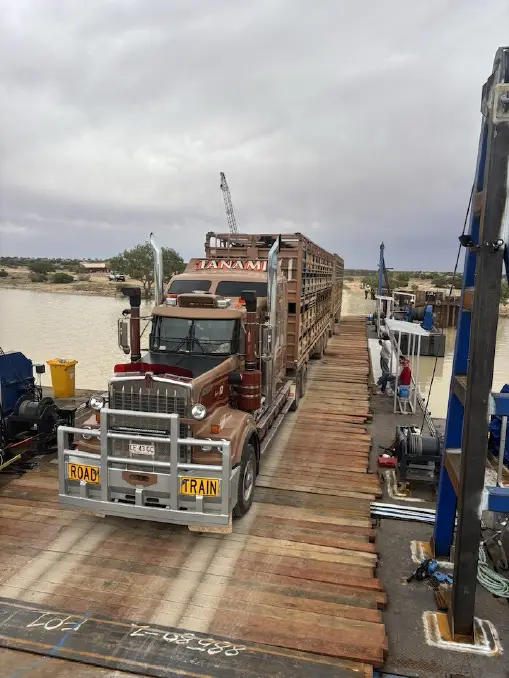
For much of the time, vehicles simply travel across the causeway. But the Cooper is part of one of Australia’s great inland river systems, where heavy rain falling hundreds of kilometres away in Queensland can slowly work its way through the Channel Country and into South Australia.
When enough water arrives, dry country becomes an inland wetland and roads can disappear beneath floodwater. If Cooper Creek cuts the Birdsville Track, the route can become impassable to everything from touring 4X4s to cattle trucks.
That’s where the ferry comes in.
The concept isn’t new, either. A barge known as the Tom Brennan was built in 1949 to help move people and supplies across the flooded Cooper Creek. The crossing became part of the broader legend of the Birdsville Track era, when mailman Tom Kruse battled heat, sand, breakdowns and floodwater to keep remote communities connected.
For a route famous for dust and desert, boats have been part of the story for a surprisingly long time.
A Ferry That Can Sit Idle For Decades
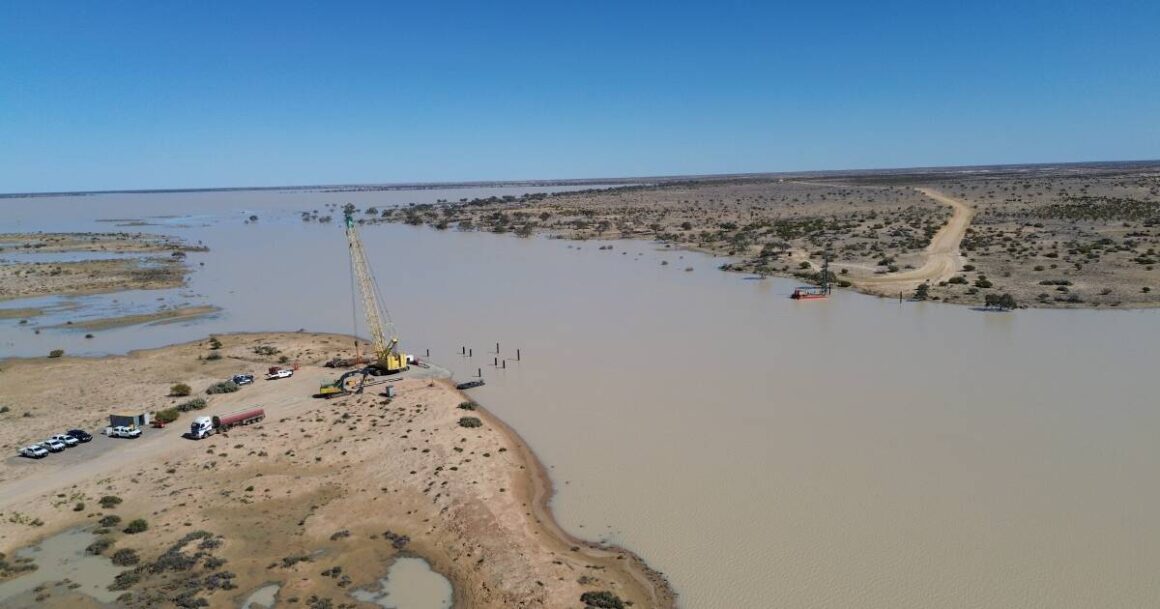
This isn’t a conventional ferry running to a timetable. It exists for the exceptional years when floodwaters make the normal road crossing impossible.
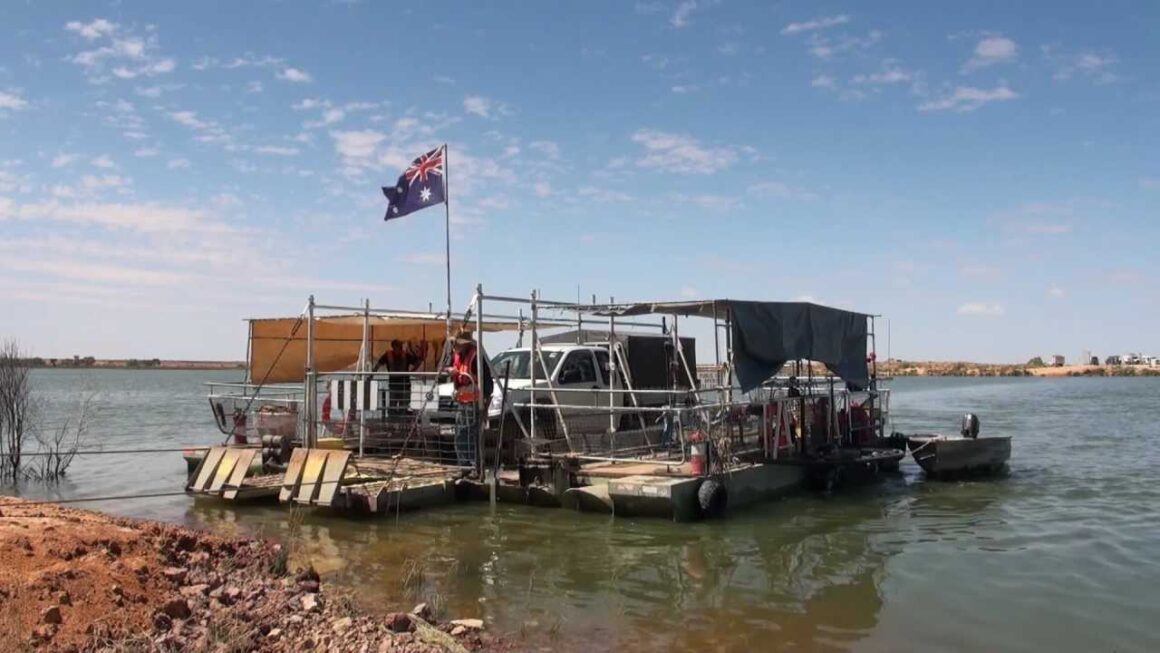
The ferry became particularly famous during the 2010 floods, when water again cut the Birdsville Track. Operations began in June that year, carrying vehicles across Cooper Creek and keeping the route open.
It was an exceptionally rare event. The previous major operation had been around two decades earlier, and the ferry’s return became an attraction in its own right. Travellers headed into the outback for the chance to put their 4X4 on a ferry in the middle of desert country.
The service returned again during flooding in 2011, reinforcing just how unpredictable the Cooper can be.
Then The Big Water Came Again
Fast-forward to 2025 and record flooding across outback South Australia again caused enormous disruption. Communities were cut off, freight routes were affected and the Birdsville Track faced major problems.
There was another complication. The older ferry was no longer sitting there ready to go, having been removed from the site in 2022.
With floodwaters creating serious transport headaches, the Australian and South Australian governments committed to something far more substantial: a new heavy-vehicle barge capable of reconnecting the route. This wasn’t just a punt for a couple of touring 4X4s. It was built to handle serious traffic.
Big Enough For The Outback
The new Cooper Creek barge entered service in November last year, and within a little over a month it had carried more than 600 vehicles and 1,600 passengers. More than 300 of those vehicles were heavy vehicles, helping transport around 12,000 cattle and reconnecting an industry heavily dependent on outback roads.
And yes, touring 4X4s could use it too.
The barge was intended to reconnect freight and tourist routes, meaning the idea of loading your touring rig onto a vessel in the middle of outback South Australia isn’t some historical oddity. In the right flood conditions, it’s a very real part of travelling the Birdsville Track. That might be the most Australian transport solution imaginable. Road underwater? Put the road traffic on a boat.
Can You Use It Now?
At the time of writing, no.
As Cooper Creek floodwaters subsided, the causeway reopened and the barge was no longer required for regular crossings. The barge remains on site while authorities continue monitoring conditions in the region.
So don’t plan a Birdsville Track trip expecting a scenic ferry ride. In normal conditions, you simply drive the route. The barge is emergency infrastructure for exceptional flooding, not a permanent tourist attraction. But the fact it exists at all tells you everything about how unpredictable this country can be.
The Birdsville Track runs through some of the driest country in Australia, yet every so often it needs a ferry. Touring 4X4s can end up sharing a barge with heavy trucks and the traffic keeping remote communities moving.
The Birdsville Track has always been unpredictable. We just didn’t expect part of the recovery gear to be a boat.


1 comment
Any chance of a story on who operates this ferry? Their experience, how they got the job, where they hibernate and what they do with their lives outside of hours, would be interesting.